


EPRA increases petrol by Sh28, diesel by Sh40
Motorists will pay Sh206.97 per litre for super petrol and Sh206.84 per litre
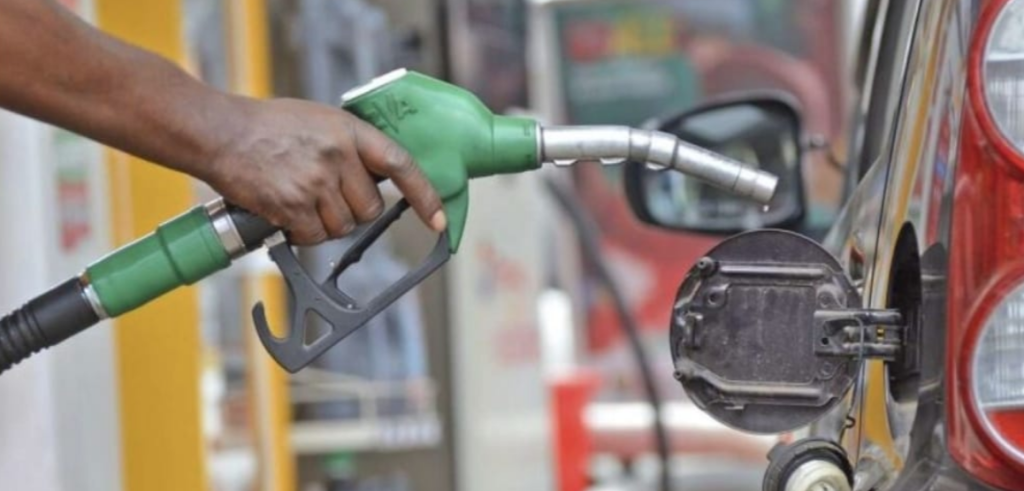
The Energy and Petroleum Regulatory Authority (EPRA) has increased the prices of petrol and diesel for the April to May 2026 cycle.
In its latest fuel review, the maximum allowed petroleum pump prices for Super Petrol and Diesel increases by Sh28.69 per litre and Sh40.30 per litre respectively, while the price of Kerosene remains unchanged.
Under the new review, motorists will pay Sh206.97 per litre for super petrol and Sh206.84 per litre for diesel.
The regulator disclosed that the calculated maximum retail prices of petroleum products will be in force from April 15 to May 14, 2026.
EPRA announced effectively, the Value Added Tax (VAT) rate on Super Petrol, Diesel and Kerosene has been reduced from 16 per cent to 13 per cent in order to cushion consumers from the high landed cost of petroleum products as a result of the escalated prices in the international market.
The Government will further cushion the consumers through the Petroleum Development Levy (PDL) Fund by utilising approximately Sh6.2 billion to stabilise the pump prices.
In its pronouncement, the regulator stated that the Super Petrol delivered by One Petroleum through the MT Paloma has not been included in the computation of the new fuel prices.
The latest adjustment comes at a time when the country has been grappling with fuel supply disruptions, rising global oil prices and mounting concerns over the integrity of the importation process.
In the previous review, EPRA had retained fuel prices unchanged, offering temporary relief to consumers even as global market indicators pointed to upward pressure.
At the time, analysts warned that the stability was unlikely to hold, citing sustained volatility in international oil markets and a weakening shilling. Since then, the situation has evolved rapidly, with motorists across the country reporting sporadic fuel shortages that triggered panic buying and long queues at filling stations in major towns. Industry players attributed the shortages to a mix of logistical challenges, supply chain disruptions and suspected hoarding by some dealers anticipating a price increase.
At the same time, the sector has been rocked by controversy following revelations of a consignment of fuel imported outside the government-to-government (G-to-G) framework, raising questions about oversight and pricing mechanisms.
The disputed shipment, which is now under investigation, sparked public outrage and calls for accountability, with concerns that substandard or irregular fuel could have entered the local market.
The government has since moved to contain the situation, with authorities directing that the consignment be excluded from the pricing structure and withdrawn from circulation.
Even as the investigations continue, the developments have heightened anxiety in the market, with consumers bracing for higher costs and possible supply instability. Analysts have warned that rising fuel prices are likely to have a ripple effect across the economy, pushing up the cost of transport, food and other basic commodities.
Households and businesses are already feeling the strain, with many adjusting their budgets in response to the increasing cost of living.
The pressure has been compounded by global trends, where crude oil prices have remained elevated due to geopolitical tensions, production cuts by major oil-producing countries and recovering demand in key markets.
Locally, the pricing structure remains influenced by multiple factors, including international benchmark prices, exchange rates, taxes and levies, as well as the cost of importing and distributing fuel.
EPRA has previously maintained that its pricing model is designed to ensure stability while reflecting market realities, although the recent developments have exposed vulnerabilities within the system.
As the new prices take effect, attention is now shifting to how the market will respond in the coming weeks, particularly in terms of supply consistency and consumer behaviour.
There are also concerns about whether the current challenges could trigger further policy interventions or adjustments to the existing importation framework.
For now, motorists and consumers alike are left to contend with higher pump prices, with the broader economic impact expected to unfold in the weeks ahead.
The latest review underscores the growing strain in the energy sector, as Kenya navigates a complex mix of global pressures and domestic challenges that continue to shape fuel availability and pricing.
















Leave a Reply