

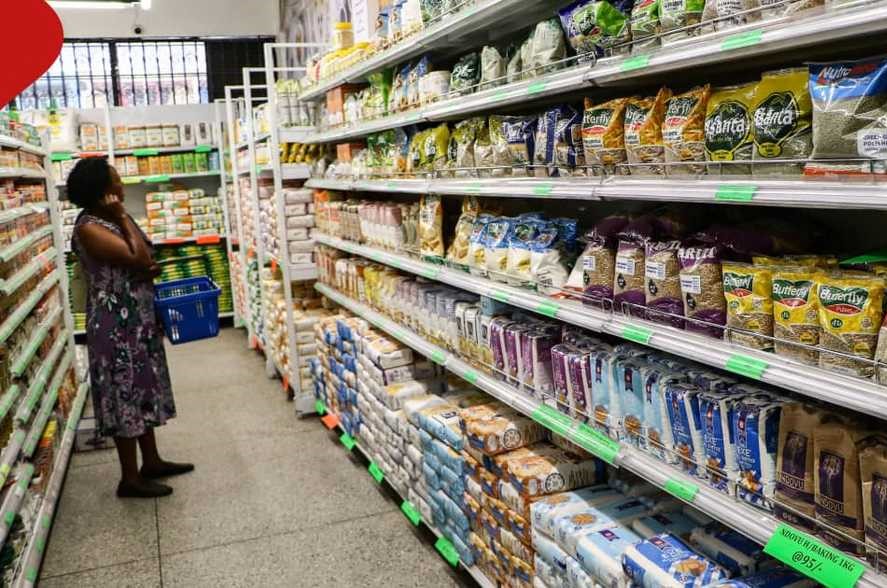
The Food and Agriculture Organization (FAO) has put out a pretty harrowing projection for Kenya’s food security, saying the country may slide into a stretch of really severe food price inflation, basically over the next 6 to 12 months.
This warning comes straight out of shifting climatic patterns, supply chain instability, and those lingering economic aftershocks tied to regional trade disruptions, so yeah.
In the latest market outlook report, FAO describes how the expected price surges will mainly slam essential staples—like maize, beans, and cooking oils.
FAO analysts seemed to point to a mix of causes behind the projected increases, especially the way erratic rainfall disrupts local harvests and also a notable shortfall in regional imports, which normally help cushion the domestic market during leaner seasons.
“The current food price trajectory is unsustainable,” the report says. “Without immediate and coordinated intervention, households across Kenya, particularly those in vulnerable urban and arid regions, will experience a drastic reduction in purchasing power, pushing many into acute food insecurity.”
Naturally the alert has sent shockwaves through agriculture, and market experts are now warning that the cost of basic food baskets could rise by as much as 30 percent by early 2027. If that happens, it will likely worsen an already tight cost-of-living situation, and that means even more strain on low-income families who currently put most of their spending toward food just to get by.
On top of that, the whole thing is complicated by the moody, volatile situation of regional trade corridors. When transport gets disrupted and logistics costs climb up, the landing prices of imported commodities are already getting pushed higher.
The FAO asks the government, kind of straightforward, to put strategic grain reserves first and to motivate local production so as to blunt the expected shortages.
Still, since harvest yields are projected to sit under past averages, how well the state can protect consumers from these market pressures is, honestly, hard to pin down—still not quite clear.













Leave a Reply