

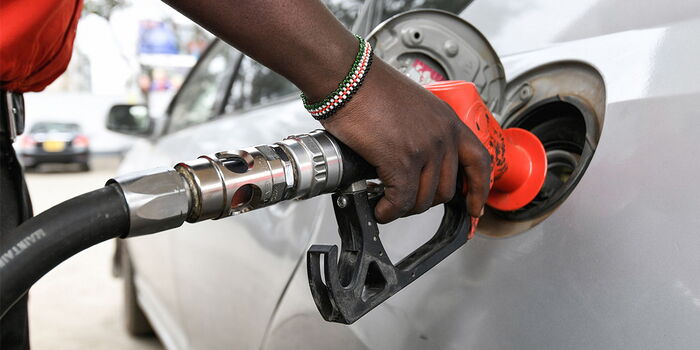
In a kind of emergency mid-cycle capitulation to end that punishing transport strike, the Energy and Petroleum Regulatory Authority (EPRA) seems to have done this dramatic pricing rewrite, cutting diesel by Sh10.06 per liter while at the same time slamming kerosene with a sudden Sh38.60 spike.
The whole hidden anatomy of the recalculation isn’t really hidden at all; it shows a toxic financial trade-off. With blockaded highways, closed-down shops, and fatal protests tied to recent fuel inflation, the state did not retreat on its tax stance.
Instead, it tried to appease the influential transport syndicates by shifting the economic burden straight onto the nation’s most vulnerable population. To get matatus moving again, the government essentially subsidized diesel by taking a bite out of the primary energy source used for cooking and lighting in low-income households and rural outposts.
EPRA defended the harsh manipulation as a technical thing to reduce “motor fuel adulteration risks,” and it said that narrowing the price gap between diesel and kerosene will block illegal blending.
Under the revised rules, running until June 14, super petrol stays stuck at Sh 214.25. Diesel drops to Sh232.86 per liter in Nairobi, but kerosene… that one violently climbs to Sh191.38, basically wiping out its usual cushion overnight.
This desperate maneuver really confirms that the stabilization reserves are already completely exhausted. Since the interministerial team can’t offer real fiscal relief, they opted to pacify city commuters by kind of igniting a domestic crisis in informal settlements.
The immediate transport paralysis may dissipate, but the financial shockwave has merely changed course. The state has bought short-term calm on the highways by making the absolutely poor pay the price.












Leave a Reply