

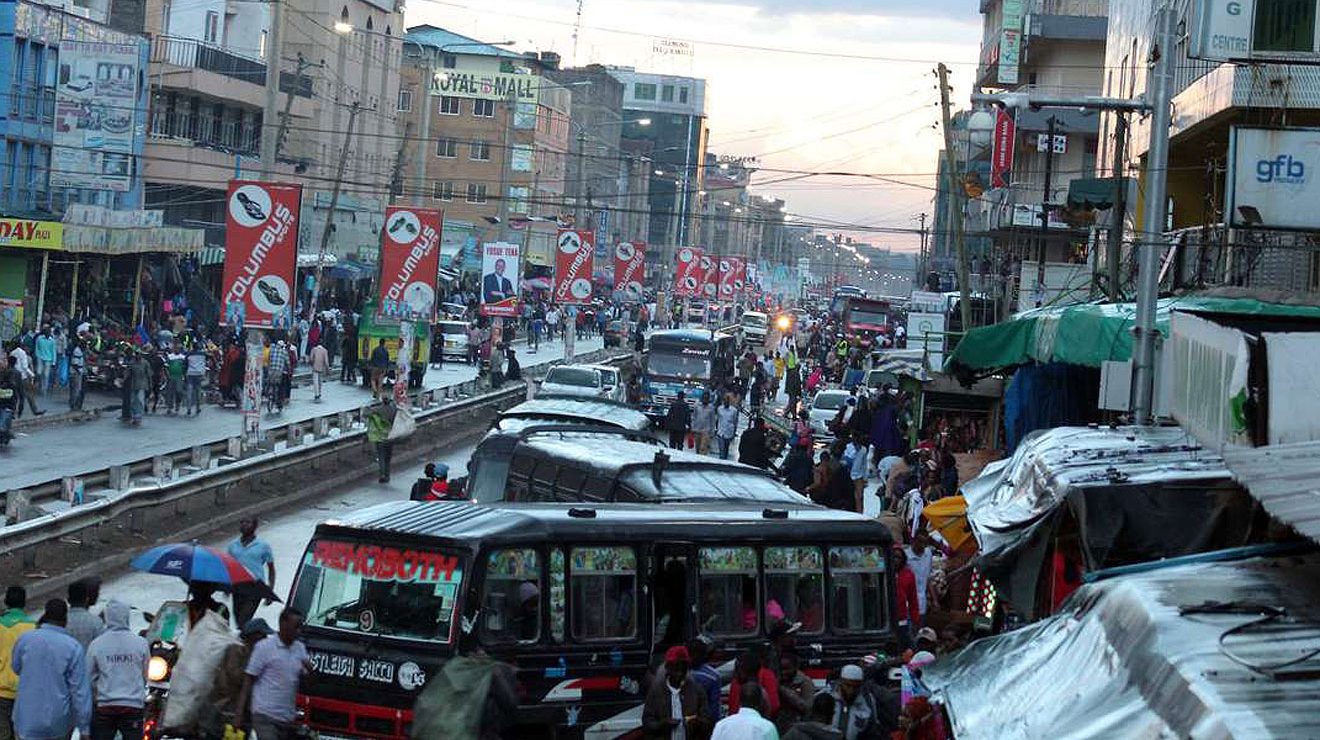
The Matatu Owners Association MOA initiated a nationwide fare increase, which now creates a transportation emergency for millions of Kenyan commuters. The fuel price increase resulted in the government implementing a mobility embargo, which affects the entire working population of the country.
Analysts explain that the price increase results from what they describe as a work-from-home requirement by force. The hustler who earns minimum wage will find that 25 percent more commuting expenses exceed actual inflation because it operates as a sovereign toll, which takes away more than half of their income. The matatu driver will receive payment for the first four hours of work performed by a worker who arrives at their site in Nairobi, Mombasa, or Kisumu.
The transport federations justified their decision as an act of economic survival because they faced severe economic challenges from both fuel prices and spare parts costs, which increased by 30 percent. The uniformity of the fare increase across all main routes indicates that affordable transportation options have been completely restricted through organized cartel control.
The government operates a clinical strike against the bottom-up economic system because buses, which should enable national growth, now serve as the main obstacle for businesses trying to enter markets.
Consumer lobbies report that this fare increase will start a “Domino Inflation” chain reaction. The price of certain goods will increase within 48 hours after transport costs reach new heights because they include “mama mboga” products, school connections, and necessary services.
The transport industry faces a scorched-earth situation because the government has not disclosed whether it will eliminate its fuel subsidy while passengers have to pay extra charges for their services or drivers will not operate their vehicles.












Leave a Reply