

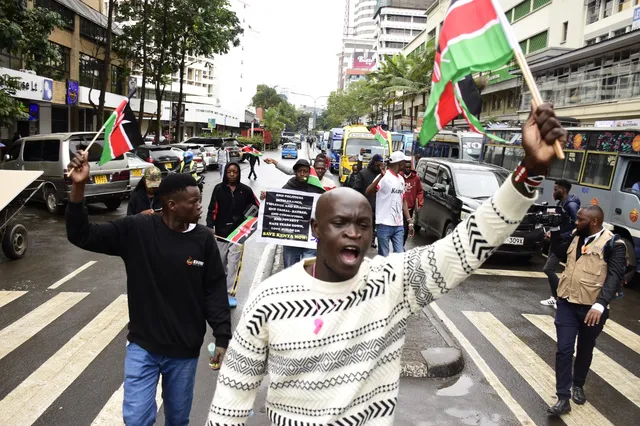
The mathematical limits of survival have been breached. The “Asphalt Insurgency” operation has turned Kenyan urban corridors into battle zones where citizens fight against high fuel prices after they started their protest through social media platforms.
The government employs costly armored vehicles that depend on fuel to control citizens who are demonstrating against fuel prices, which the state uses to operate its security vehicles. The “fiscal friction” has reached its maximum speed. The Treasury requires the Sh197 petrol price to serve as a tax collection point, which will prevent international debt default, but the streets regard it as a death sentence for middle and lower-class citizens.
The frontlines report a “decentralized eruption.” This event does not follow the format of a political rally because it represents a natural outbreak of the “Mobile Economy.” The emergency brake has been activated by boda boda operators, taxi drivers, and logistics workers who form the vital system of Kenya’s commercial operations. The police stations currently face an influx of arrests, which include both activists and economically disadvantaged individuals who lost their ability to pay for their daily work expenses.
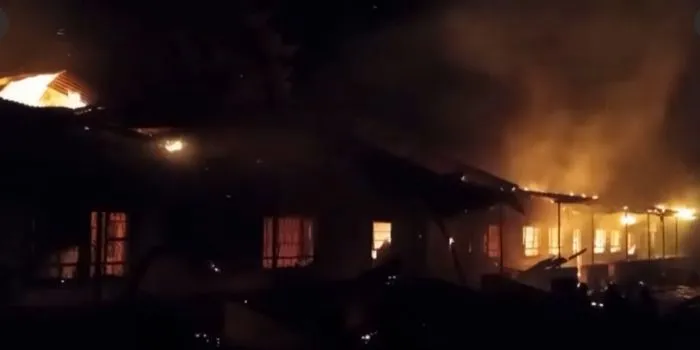
Security forces have established a “kinetic containment” approach that employs tear gas and mass detentions to clear the capital’s main roads. Analysts consider “kinetic peace” to be a false perception of reality. Every discharged gas canister serves as a temporary fix for a fundamental system failure. The government exists within a deadly trap because it requires high fuel taxes for its operations, yet those same taxes prevent the country from being ruled.











Leave a Reply