

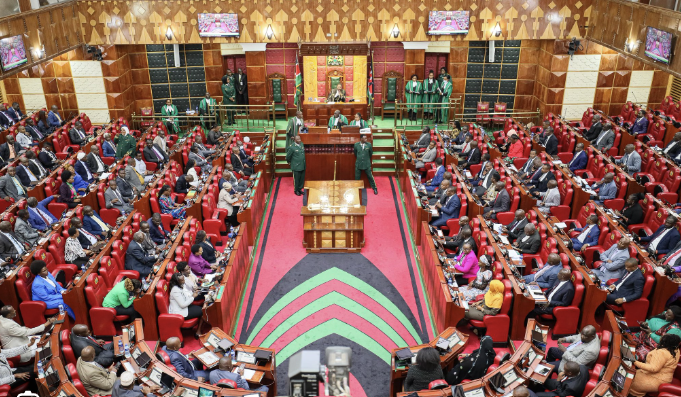
The national intelligence agency of Kenya has brought forth a political and legislative surprise that disrupts the Parliament approval process of the Kenya Citizenship and Immigration Amendment Bill 2023 because it raises doubts about how national security issues will affect citizenship regulations. The situation has created an immediate need for lawmakers to discuss the issue together with rights advocates and diplomatic observers.
The National Intelligence Service NIS officials made a rare statement to show that the proposed citizenship bill needs to maintain its current security provisions because they create security threats that require protection. The organization has requested legislators to change the rules which determine how citizenship status gets assigned and confirmed because they found security gaps which dangerous entities could use to their advantage.
The intelligence agency presents its stance through parliamentary committee submissions which state that the government should establish citizenship programs while creating effective security measures to stop foreign agents and criminal organizations from gaining access to these programs. Intelligence sources are concerned that without stricter vetting procedures and more defined legal requirements, individuals with dual allegiances could obtain state security positions and sensitive information.
The citizenship bill under scrutiny aims to update Kenya’s nationality regulations while establishing better connections with the diaspora through simplified citizenship acquisition procedures for descendants of Kenyans who were born outside the country. The system introduces new immigration enforcement mechanisms together with other constitutionally required modifications.
The NIS position has created a more pressing need for politicians to evaluate proposed changes that would restrict eligibility requirements, implement security assessment processes, and define the limits between individual rights and government security powers. Security analysts interpret the agency’s involvement as evidence of deeper geopolitical threat assessment needs, which include both international danger and internal stability problems.
Human rights organizations, together with pro-diaspora groups, have condemned the intelligence initiative because they believe it will create negative stereotypes about Kenyan citizens who live overseas while also creating unspecified challenges for these individuals who want to regain their citizenship. The two parties assert that open citizenship policies can maintain security through their established protective measures, which will prevent security threats from entering the population.
The Parliament will continue its discussion about the bill when it reconvenes next week, and committee hearings will examine the intelligence agency recommendations with intense scrutiny. The decision will create a major impact on how Kenya will manage its citizenship process and its relations with overseas citizens and its national security affairs during the future period.












Leave a Reply