
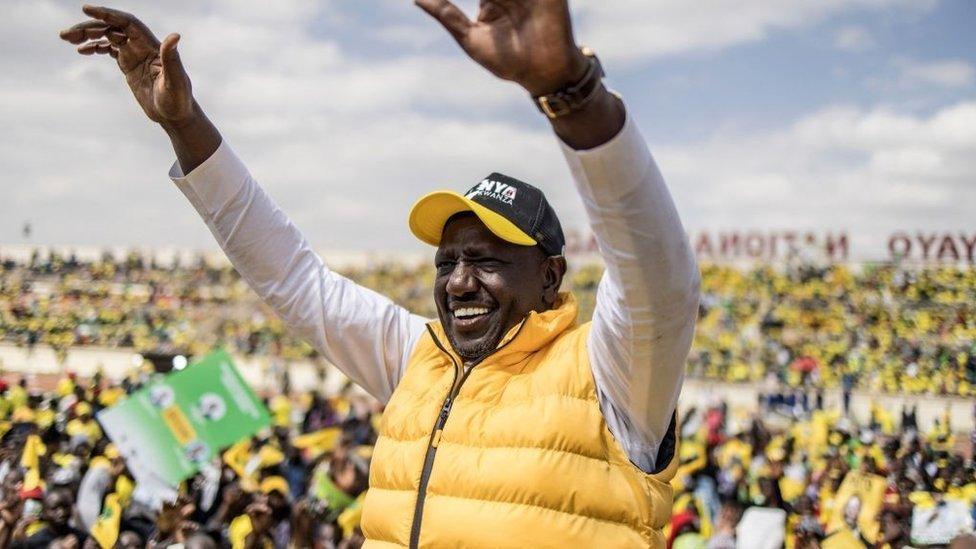
He acknowledged the country is currently under multiple economic pressures.
President William Ruto on Wednesday assured Kenyans his administration will intervene to cushion them from rising fuel prices.
He acknowledged the country is currently under multiple economic pressures, including the high cost of fuel.
“There are many challenges facing the country right now, including fuel prices,” he said.
The President pointed to the government-to-government (G-to-G) fuel import arrangement as a key intervention that has helped stabilise supply and shield Kenya from global shocks.
“We adopted the G-to-G arrangement, which helped stabilise our country at a time when many others were going through very difficult circumstances,” he said.
Ruto said ongoing tensions and supply disruptions in the Middle East have driven up global fuel prices, but he maintained that Kenya is better positioned to manage the impact.
“Prices have gone up globally, but we have put in place measures to ensure they do not rise too high locally,” he said.
The head of state revealed the government has set aside Sh6.5 billion for fuel subsidies aimed at stabilising pump prices and cushioning consumers.
“We have stepped in as the government with Sh6.5 billion to reduce the cost of fuel. We have also stepped in to bring down VAT from 16 per cent to eight per cent for the next three months, and kept kerosene prices unchanged,” Ruto said.
The President reassured Kenyans that the government remains committed to ensuring stability and affordability in the energy sector.
“I want to assure Kenyans that the government will do everything possible to contain fuel prices,” he said.
Ruto said Kenya currently has sufficient fuel stocks, unlike some countries experiencing shortages.
“As we speak, some countries do not have fuel at their pumps, but here in Kenya, we have enough,” he said.
The President said the G-to-G model has also enhanced Kenya’s competitiveness in the region by ensuring a steady supply.
“The arrangement has made Kenya more competitive. There are countries in the region without fuel, but we have ensured a stable supply,” he said.
The Energy and Petroleum Regulatory Authority increased the prices of petrol and diesel for the April to May 2026 cycle.
In its latest fuel review, the maximum allowed petroleum pump prices for super petrol and diesel increased by Sh28.69 per litre and Sh40.30 per litre, respectively, while the price of kerosene remains unchanged.
In Nairobi, super petrol, diesel and kerosene now retail at Sh206.97, Sh206.84 and Sh152.78, respectively, effective at midnight for the next 30 days.
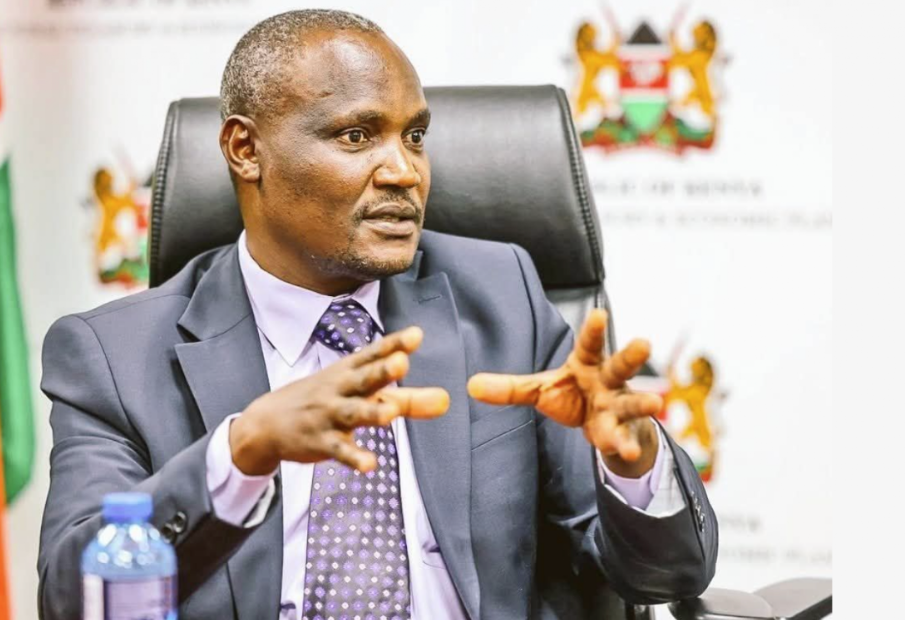
On Wednesday, Energy CS Opiyo Wandayi declared a firm crackdown on powerful cartels in the petroleum sector, warning that their influence will soon come to an end as the government moves to restore order and protect consumers.
He said there are very powerful, dangerous and entrenched cartels in the oil industry.
Wandayi emphasised that the current administration is determined to dismantle these networks once and for all.
He said the challenges currently being witnessed in the sector are not accidental, but rather a calculated pushback from individuals and groups resisting reforms.
“The small issue you are hearing is a fightback by those cartels, and they must understand that their time is over and we are going to deal with them,” he said.
According to the CS, Ruto has already issued firm instructions to address the situation decisively, with a focus on ensuring fairness and transparency in the petroleum supply chain.
“What you are seeing or hearing is basically a fightback by those cartels. They must understand that their time is over,” Wandayi stated, adding the government will not bow to pressure or intimidation from industry players seeking to maintain control.
He warned the cartels have grown so influential that they now attempt to shape public discourse and derail reform efforts.
“They are so daring that they do not want to hear anything about reforms and fair play in the sector.”
However, he insisted the administration remains steadfast.
“Under the guidance of the President, your days are numbered,” he said.
Wandayi reassured Kenyans that the petroleum sector remains stable and that the government’s primary focus is safeguarding the interests of wananchi.
“The petroleum sector is stable, and the interests of wananchi will be taken care of,” he affirmed.
On Wednesday, Embakasi East MP Babu Owino criticised the government over the manner in which it handled the fuel issue, saying it was not forthright with Kenyans.
The lawmaker wondered why pump prices jumped days after the government assured Kenyans of sufficient supply that could last for 14 days.
He also questioned the relevance of the G-to-G arrangement, which was supposed to cushion Kenyans from global fuel price shocks.
“Increasing cost of fuel is going to increase the cost of living in the country, and this will mean more suffering for thousands of Kenyans,” Babu said.
Babu threatened to rally Kenyans to the streets to protest the high cost of living that will be occasioned by the new fuel
The President pointed to the government-to-government (G-to-G) fuel import arrangement as a key intervention that has helped stabilise supply and shield Kenya from global shocks. He said the G-to-G model has also enhanced Kenya’s competitiveness in the region by ensuring a steady supply.







Leave a Reply