

Speaking on Tuesday while opening the Connected Africa Summit in Nairobi, Kindiki said Africa must move beyond discussions and pilot projects and focus on building sustainable digital systems that improve service delivery, governance and economic productivity.
He said Kenya is among countries making deliberate investments in the sector, noting that digital transformation is now a key pillar in the government’s development agenda.
“The digital future of Africa will not be handed to us. We must build it boldly, patiently, strategically and deliberately together. Technological advancement is the biggest driver of the future,” Kindiki said.
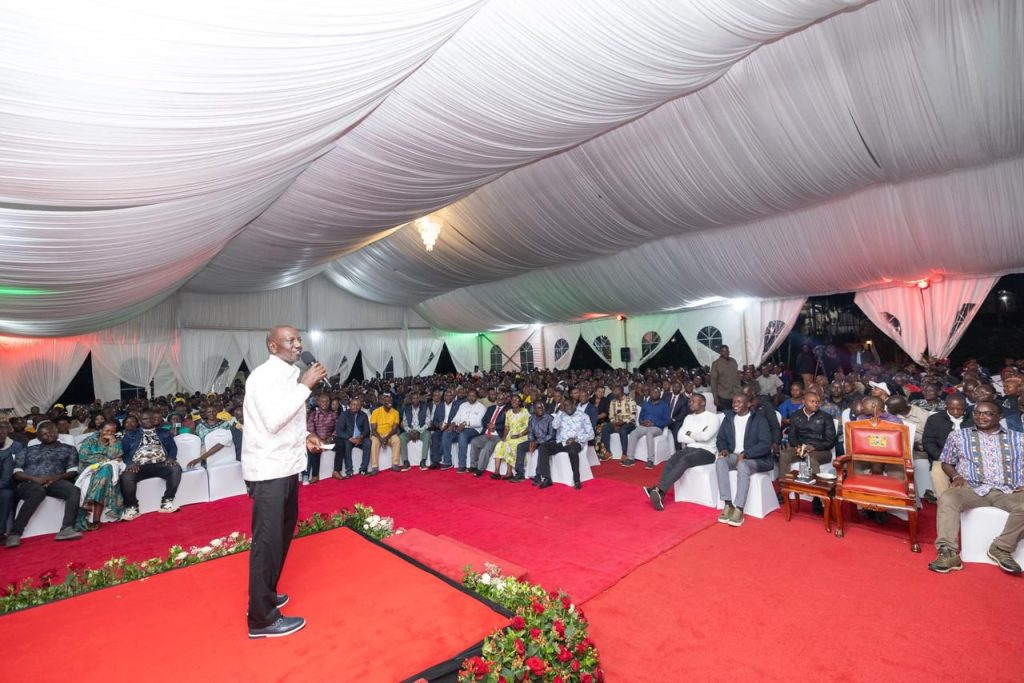
He noted that African governments must take advantage of the continent’s youthful population and growing innovation space to create competitive digital economies capable of driving long-term development.
According to the Deputy President, Kenya has made significant progress in expanding its digital infrastructure over the past four years, positioning itself as one of Africa’s leading digital economies.
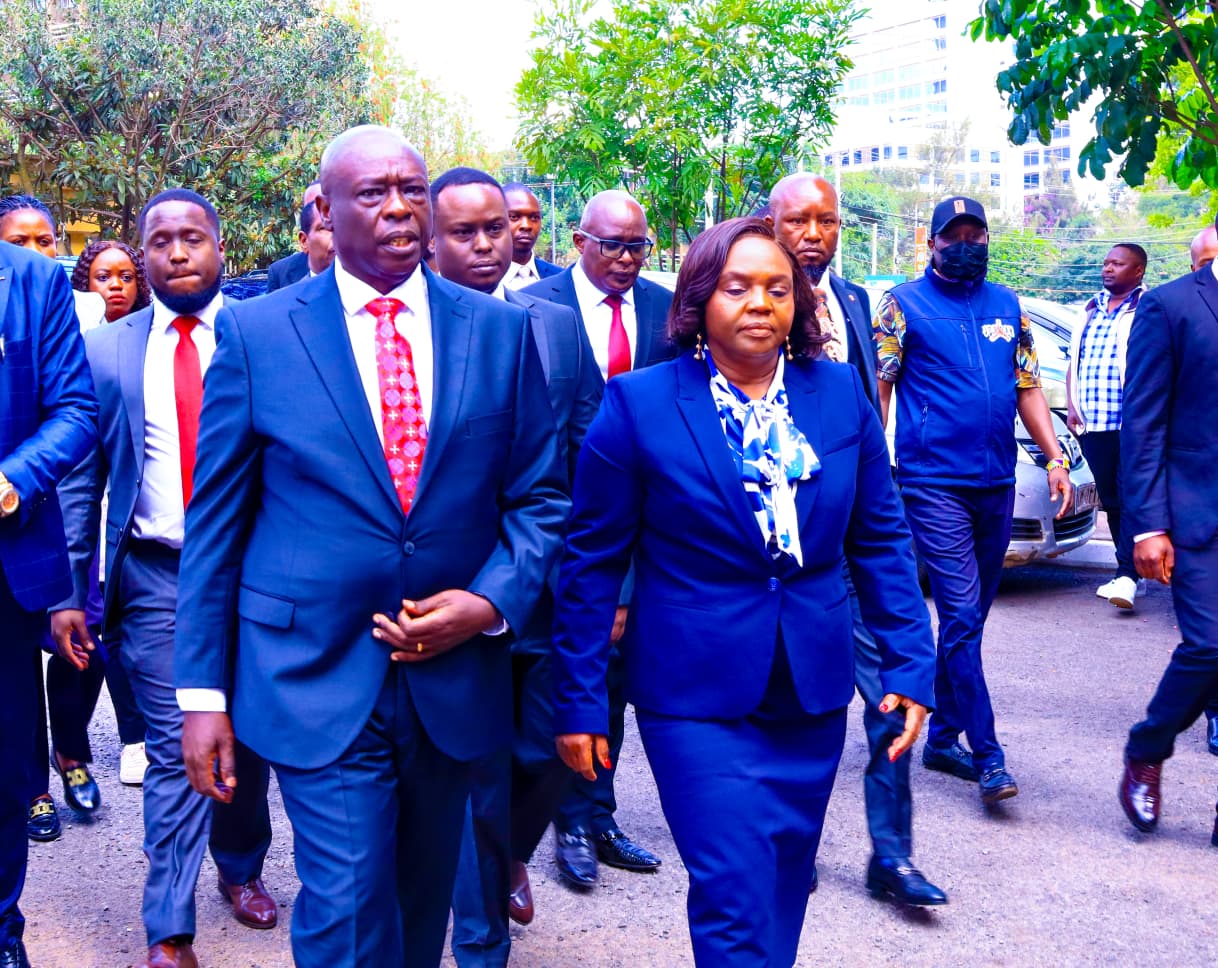
Deputy President Kithure Kindiki speaking with other leaders at the Connected Africa Summit in Nairobi on April 28, 2026/DPCS
Among the projects he highlighted was the expansion of the Digital Superhighway through an additional 30,000 kilometres of fibre optic infrastructure, with the government targeting 100,000 kilometres in total.

He also said the state is rolling out ICT hubs in all the country’s 1,450 wards, with 382 already completed and another 400 nearing completion.
In addition, the government has installed public Wi-Fi hotspots across the country and expanded digital skills training for thousands of young people to equip them for opportunities in the technology space.
Kindiki said digitisation of public services has also improved access to government services, reduced bureaucracy and enhanced transparency in service delivery.
“Today, we can confidently say this approach is delivering results. Kenya has emerged as one of Africa’s leading digital economies and a globally recognised innovation hub. Our digital economy contributes an estimated 7–8 per cent of GDP, with a clear pathway to double-digit contribution,” he said.
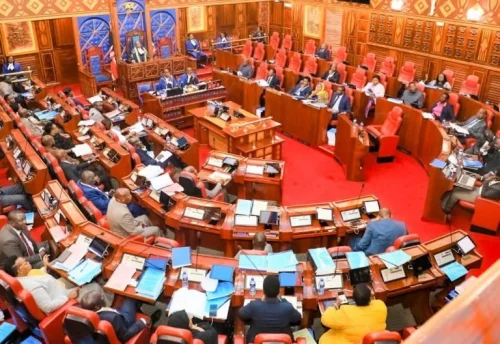
The Connected Africa Summit in Nairobi/DPCS
He said countries that fail to invest in digital transformation risk being left behind in global economic competition, especially as governments and businesses increasingly rely on technology-driven systems.
The Deputy President also called for stronger collaboration between governments and the private sector, saying public institutions alone cannot provide the financial resources and technical expertise needed to fully unlock Africa’s digital potential.
He noted that partnerships with investors, innovators and development partners would be critical in building stronger and more inclusive digital ecosystems across the continent.
“The public sector does not have enough resources and human capital to meet the demands of Africa’s future. We must strengthen the partnerships focused on making the lives of the people better,” Kindiki said.
He urged African leaders attending the summit to treat digital transformation not as an option but as a necessity for the continent’s future, saying the time had come for Africa to shape its own digital destiny.










Leave a Reply