

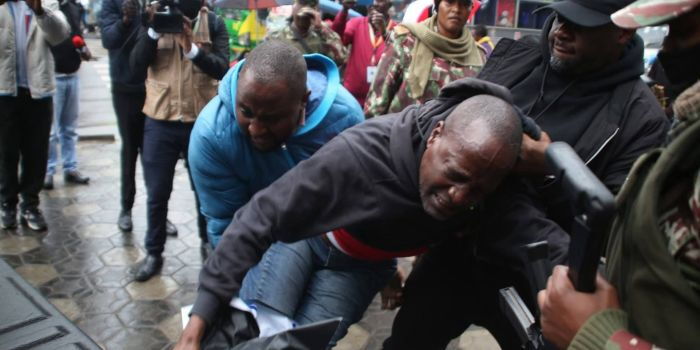
The existing situation in the capital requires assessment because the street protests have ended and the government used tear gas to disperse demonstrators who now occupy prisons. The April 2026 civil unrest’s main outcome shows more people were arrested than the complete disappearance of Deputy President Rigathi Gachagua and opposition leader Kalonzo Musyoka.
The “twisted” nature of this absence shows a deliberate plan that results in “leadership desertion.” The Kenyan youth face direct state violence because of rising living costs while the nation’s male spokespersons enter a phase of strategic inactivity. The situation involves more than a scheduling disagreement because it represents a total withdrawal from battle by those who develop the country’s political narrative.
During previous unrest, Gachagua served as the main tool that the government used to fight against the people, while Kalonzo acted as the person who resolved people’s problems through his authority.
Their current joint silence creates a “political vacuum,” which results in protesters losing their leaders while security forces miss their chance to negotiate with authorities. The “Double Vanishing Act” explains why both leaders choose to observe how the street and the state battle each other until they can assert control over the remaining situation.
The government now faces a more desperate situation because families search for missing relatives who have been arrested. Both Gachagua and Kalonzo have “ghosted” their constituencies because they chose to leave their positions during the country’s most intense political crisis.










Leave a Reply