

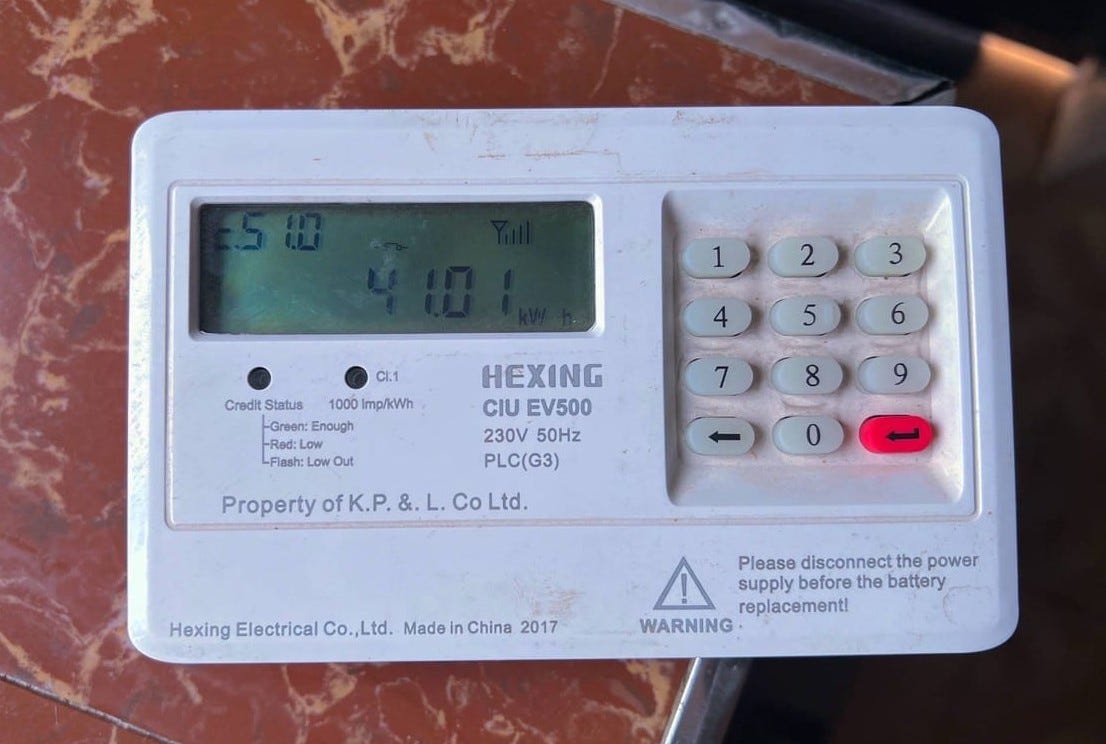
Energy Permanent Secretary Alex Wachira has declared that the recent fuel price increase will not result in higher electricity costs for Kenyan homes.
This assurance creates a “thermal decoupling” narrative that contains a “twisted” reality. The Ministry of Energy depends on standby power plants to use fuel components that historically matched pump prices. The PS states that the Fuel Energy Cost (FEC) element of the bill will remain at a low level because the government relies on existing water reserves and geothermal energy to handle the global oil supply crisis.
Economic observers view this intervention as a “psychological firewall.” The government uses its promise to maintain electricity costs for manufacturing companies at current levels to create a “fuel shock” that affects only the transport industry.
The “climatological subsidy” problem currently exists, according to analysts. The bills maintain their stability based on dam operations because any sudden drop in hydro-generation would require immediate use of costly thermal power, which would result in “post-dated bill shock” for customers.
One energy consultant explained that “the government is effectively telling the public that as long as the dams are full, the lights stay affordable.” The government maintains silence about the fiscal pressure that accumulates when heavy fuel oil costs increase together with petrol prices.













Leave a Reply