

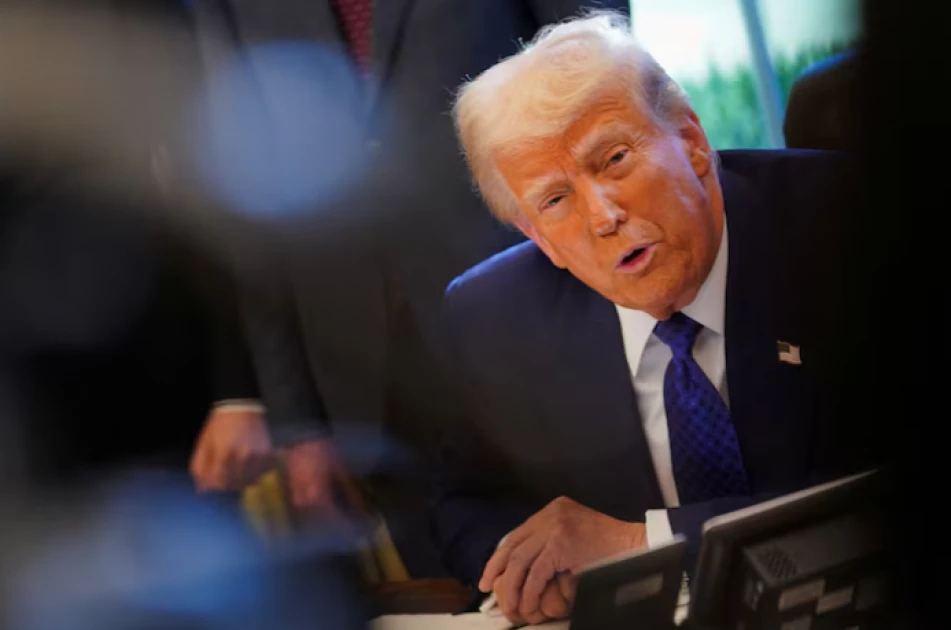
In a move poised to reshape global energy markets and geopolitical relations, President Donald J. Trump has announced that a deal with the Islamic Republic of Iran has been finalized. The declaration, shared via his social media platform, signals a dramatic pivot in U.S. foreign policy toward the Middle East.
Key Developments in the Agreement
The centerpiece of President Trump’s announcement is the immediate normalization of transit through one of the world’s most critical maritime chokepoints.
- Reopening of the Strait of Hormuz: President Trump has officially authorized the “toll-free opening” of the Strait of Hormuz, the narrow waterway through which a significant percentage of the world’s seaborne oil passes daily.
- End of Naval Blockade: As part of the terms, the President has ordered the immediate removal of the United States Naval blockade that has been stationed in the region.
- Resumption of Global Shipping: Addressing the international community directly, the President stated, “Ships of the World, start your engines. Let the oil flow!”
Economic and Geopolitical Implications
The reopening of the Strait of Hormuz is expected to have immediate repercussions for global oil markets. By removing the threat of blockade and ensuring free passage, the administration aims to stabilize oil supply chains and potentially reduce volatility in energy pricing.
For the international shipping industry, the removal of naval restrictions marks the end of a period of high tension and uncertainty. By declaring the transit routes “toll-free,” the administration is emphasizing a return to freedom of navigation, a move that will likely be welcomed by energy-importing nations across the globe.
A Pivot in Diplomatic Strategy
This breakthrough represents a significant shift in the U.S.-Iran dynamic. By prioritizing a negotiated resolution over a prolonged military standoff, the administration has moved to de-escalate regional tensions that have long hovered near the point of conflict.
As the world watches the implementation of these measures, the focus now shifts to how the international community—and the markets—will react to this sudden thawing of relations and the resumption of unrestricted energy flow from the region.









Leave a Reply