

Across the country, early signals point to a cycle that could see multiple governors lose their seats, with anti-incumbency sentiment rising and national political rivalries spilling into county contests.
In Nairobi, Governor Johnson Sakaja is facing growing unpopularity as political dynamics in the capital shift following the demise of former ODM party leader Raila Odinga.
Raila had endorsed Sakaja for re-election and saved him from impeachment.
Through his intervention, the former Prime Minister halted Sakaja’s impeachment in September, preventing more than 80 MCAs from proceeding with an ouster motion.
In brokering the truce, Raila urged dialogue to address grievances regarding city services and development funds.
Sakaja’s recent cooperation deal with the national government has also drawn mixed reactions, with critics accusing him of admitting incapacity to run the city.
He has, however, defended the cooperation, saying the move will bring in more resources to the city.
His re-election bid is also complicated by the possibility of a United Opposition front, alongside a strong challenge from Embakasi East MP Babu Owino, whose rising profile among young voters is reshaping the race.
Embakasi North MP James Gakuya and former PS Irungu Nyakera are also seeking a DCP ticket to challenge Sakaja.
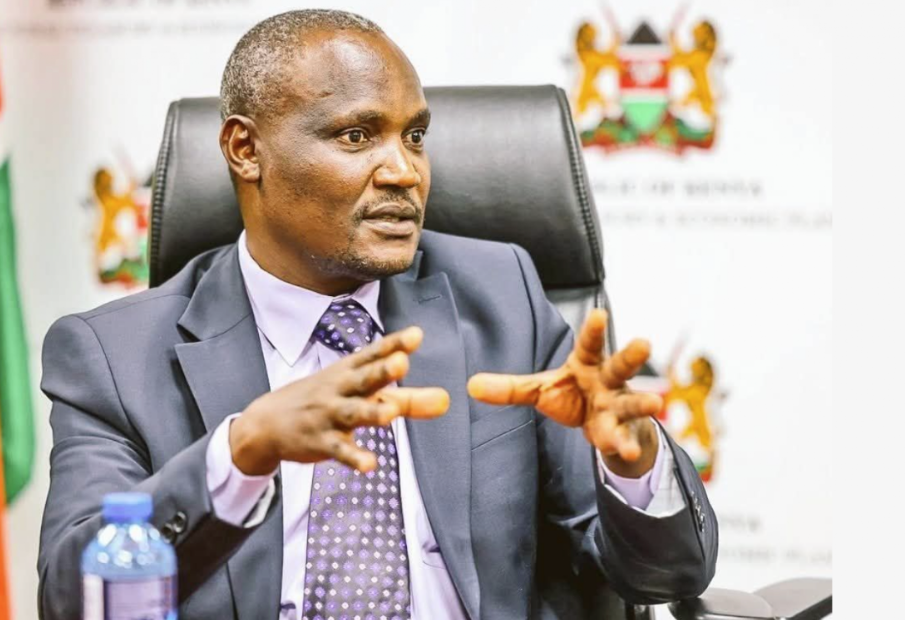
In Kiambu, Governor Kimani Wamatangi, though still relatively popular, will face businessman John Mwaura, who was unveiled on Monday as the DCP candidate for governor.
The DCP wave in the Mt Kenya region threatens to fracture Wamatangi’s support base if he does not join the outfit and negotiate with Mwaura and hand him the running mate slot.
Nakuru Governor Susan Kihika is also under pressure, facing criticism from residents over her development record.
There is also a sustained decampaign effort by former Deputy President Rigathi Gachagua’s camp and growing political pressure from Senator Tabitha Karanja.
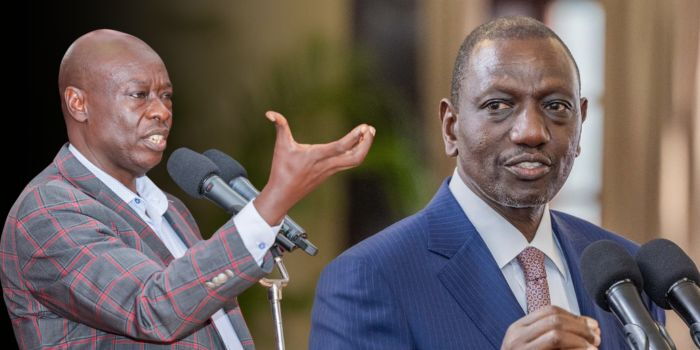
The fallout between President William Ruto and Gachagua risks affecting her re-election following the breakdown of the Kikuyu-Kalenjin alliance in the cosmopolitan city.
In Western Kenya, Kakamega Governor Fernandes Barasa is facing intense opposition from Woman Representative Elsie Muhanda, who has declared her gubernatorial bid and accused him of underperformance.
Their rivalry has escalated to legal action, with Muhanda suing Barasa for defamation, seeking Sh18 million.
She has also obtained a court order restraining him from making alleged defamatory remarks.
In Kisii, Governor Simba Arati, who is also one of the ODM party leaders, risks being overshadowed by a growing political wave of former Interior CS Fred Matiang’i.
Former Education CS Ezekiel Machogu, who finished second in the race in 2022, has also declared his bid. He has been appearing alongside Matiang’i.
The Kisii dynamics are further complicated by the declining influence of ODM following Raila’s death, with infighting weakening the party’s traditional dominance in the region.
At the Coast, Mombasa Governor Abdulswamad Nassir is facing a tough re-election path after UDA secretary general Hassan Omar declared his intention to run for the seat, heightening tensions in the broad-based political arrangement.
Mvita MP Mohammed Ali has also secured backing from the DCP, further complicating the race.
In Nyanza, Siaya Governor James Orengo could face strong headwinds in ODM strongholds due to his opposition to the dominant faction led by Senator Oburu Oginga.
Nyandarua Governor Moses Badilisha is also at risk of being swept up in the expanding DCP wave, with former CS Sicily Kariuki emerging as a formidable challenger.
Mavoko MP Patrick Makau will be challenging Machakos Governor Wavinya Ndeti, while in Homa Bay, Gladys Wanga is expected to battle her estranged deputy Oyugi Magwanga and former Nairobi Governor Evans Kidero.
Compounding the pressure is a growing confrontation between governors and senators, many of whom are now eyeing gubernatorial seats.
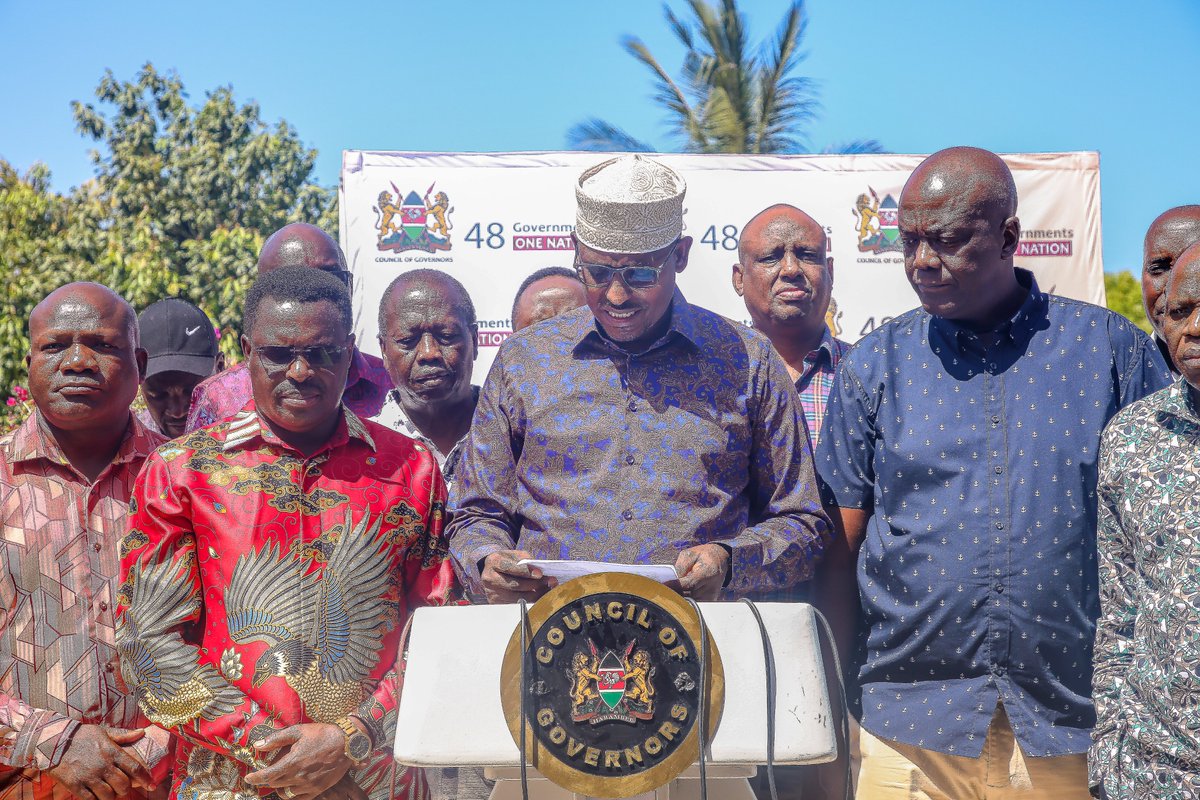
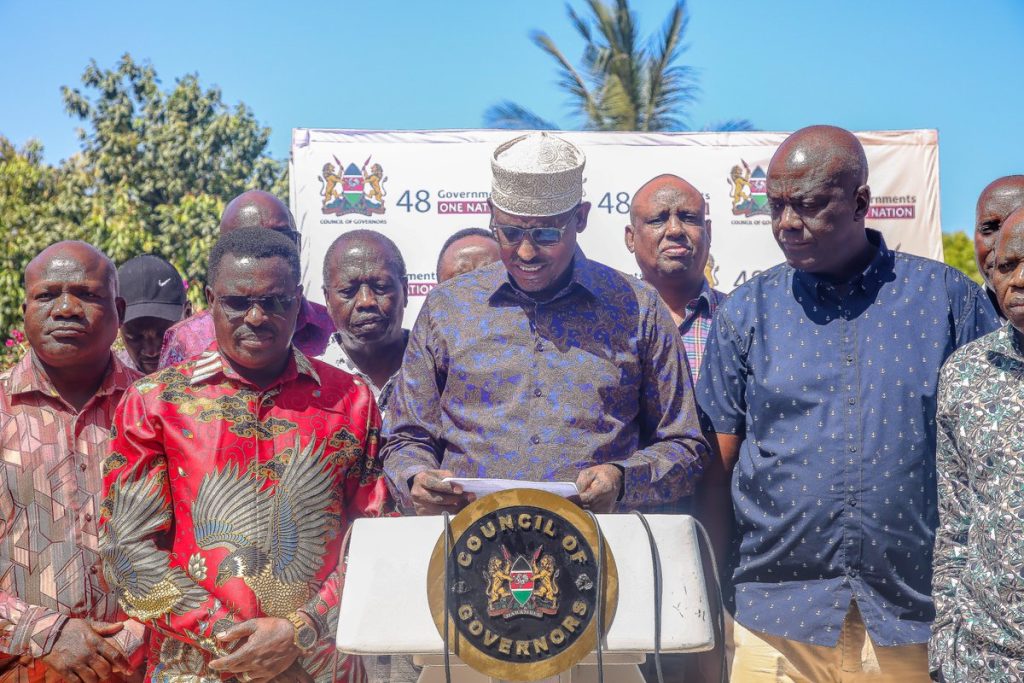
The Council of Governors, led by chairman and Wajir Governor Ahmed Abdullahi, has accused senators sitting in powerful oversight committees of intimidation, harassment and politically motivated scrutiny.
Some governors have even boycotted appearances before Senate committees, citing what they describe as “escalating extortion and political witch-hunts” during oversight sessions.
Senators Johnes Mwaruma, Fatuma Dullo, Okong’o Omogeni and Enoch Wambua, who sit in the Senate County Public Accounts Committee, have declared interest in gubernatorial seats.
The overlap between oversight and political ambition has triggered frequent clashes.
In Kitui, Senator Wambua and Governor Julius Malombe have clashed over audit queries, while in Nandi, Senator Samson Cherargei and Governor Stephen Sang have repeatedly clashed during committee sessions.
In Isiolo, tensions between Senator Dullo and Governor Abdi Guyo escalated to impeachment attempts.
Analysts say the 2027 gubernatorial races will be shaped by a convergence of factors, including local performance, national political alignments, youth-driven activism and now direct competition from senators.
“The gubernatorial contests are becoming referendums on both service delivery and political positioning,” said political analyst Charles Ng’ang’a.
Nowhere is this more evident than in Mt Kenya, where the fallout between President Ruto and Gachagua has fractured the region, forcing governors into delicate political balancing acts.
At the same time, Gen Z-driven activism is reshaping voter expectations, particularly in urban centres, where demands for accountability and economic opportunity are rising..
Historically, counties like Nairobi, Kiambu and Nakuru have shown a tendency to reject incumbents, with each of the former county bosses only serving for one term.





Leave a Reply