

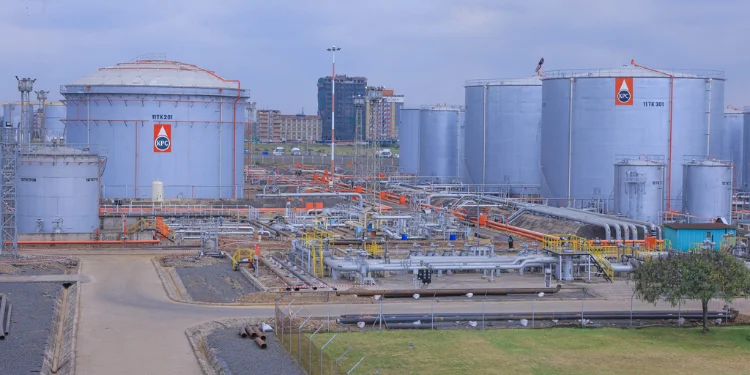
The Government of Kenya has taken a very audacious step by opening up to the public the Kenya Pipeline Company (KPC) sale today, which pops a KSh106.31 billion valuation for the state-owned energy infrastructure giant. The sale is to be considered among the most daring initial public offerings (IPO) in the nation’s history and signifies a radical change in managing strategic public assets.
The Treasury has given the details about the sale that commenced on January 19, 2026, and will extend to February 19, 2026, whereby 11.81 billion ordinary shares, which are 65 percent of KPC’s issued share capital, have been put up at KSh9.00 per share. The government has organized a one-month subscription period, thus emphasizing the magnitude and immediacy of the deal.
If we base it on the price offered, the whole company’s worth is estimated to be a whopping KSh163.56 billion. This enormous figure that greatly exceeds previous independent estimates places the KPC IPO among the top capital market events in Kenya’s corporate history.
Analysts are of the opinion that the sale will likely change the investor outlook at the Nairobi Securities Exchange (NSE) and involve more public participation in this sector, which was previously the government’s exclusive preserve.
The distribution methods in the IPO include fixed quotas for retail and institutional investors and the East African Community regional participants, each receiving 20 percent of the total shares, while oil marketing companies get 15 percent of the shares available. The authorities have stressed that it is open to ordinary Kenyans, who would perhaps get the chance to own a piece of the petrol supply chain that drives the economy.
The trading of KPC’s shares on the NSE is expected to start on March 9, 2026, subject to regulatory approval, and the distribution of shares will be announced on March 4, 2026.
This government sale of shares is part of the government’s strategic plan to unlock the value of the parastatals that have been in the government’s hands for a long time, which will be a move that the critics argue could lead to the state losing control over the major infrastructures of the nation.
Publicly and privately the opposition politicians and the civil society groups have already expressed their worries that the liberalization of KPC—the company that is in charge of the transportation and storage of petroleum products, which are crucial for the country’s economy and people’s daily lives—is going to make Kenya vulnerable to foreign control and speculation.
The proponents claim that the IPO is a revolutionary step in the right direction towards enlarging the corporate base, cutting down on the dependence on credit, and putting the capital market in Kenya back into action.













Leave a Reply