

Kenya’s county governments are facing a deepening fiscal emergency as the Controller of Budget (CoB) reveals a staggering Sh156.84 billion in unpaid bills as of March 31, 2026. The latest data paints a grim picture for contractors and suppliers, with over half of these obligations having remained unsettled for more than three years, threatening the survival of countless local businesses.
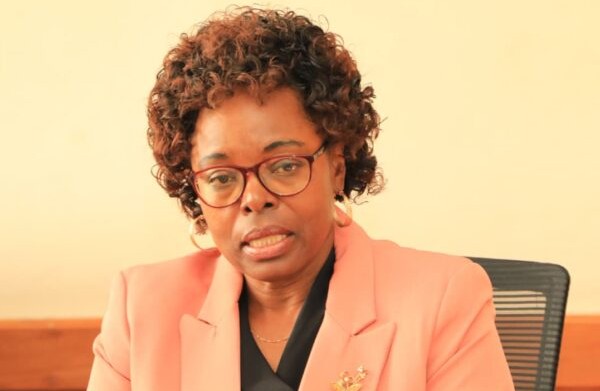
Nairobi and Mombasa have emerged as the primary centers of this financial strain, leading a list of 10 counties burdened by the heaviest stock of aged debt. The Controller of Budget, Dr. Margaret Nyakang’o, has issued a stern warning, noting that as current gubernatorial terms draw to a close, the rising mountain of arrears may become “increasingly difficult” to resolve.
The Scale of the Debt Trap:
- Nairobi County: Holds the largest share of pending bills at a massive Sh81.13 billion, with a staggering Sh61.6 billion (76 per cent) overdue for more than three years.
- Mombasa County: Recorded the highest proportion of aged debt, with 98 per cent of its outstanding obligations dating back over three years.
- Other Crisis Counties: Wajir (80 per cent aged), Mandera (75 per cent), Murang’a (74 per cent), Kiambu (67 per cent), Laikipia and Embu (65 per cent each), Machakos (54 per cent), and Garissa (52 per cent) all struggle with massive volumes of long-overdue payments.
The report highlights that the accumulation of these arrears is largely driven by administrations failing to honor debts inherited from previous regimes. This “legacy debt” trap has left many small and medium-sized enterprises (SMEs) struggling to remain operational after delivering goods and services, often forcing them to take out high-interest loans to cover costs while waiting for payment that never arrives.
In contrast, the report notes that counties like Bomet, Kericho, and Nyandarua have accumulated the bulk of their pending bills during the tenure of their current governors, pointing to ongoing internal fiscal management issues.
Dr. Nyakang’o has urged county executives to prioritize eligible pending bills in the new financial year’s budget, as required by the Public Finance Management regulations. However, with many counties currently missing budget deadlines and embroiled in disputes with their assemblies, experts fear that the mounting stock of debt could trigger a total collapse in service delivery across the devolved units.













Leave a Reply