

The sudden 10 percent decline in crude prices, which occurred after Iran decided to completely reopen the Strait of Hormuz, has pushed global energy markets into a situation that experts call “Petro-Paralysis.” The main maritime chokepoint for global trade now functions as a battleground for “reverse economic warfare.”
The “Hormuz Flood” operation reached its full effect when it generated a market condition that traders used to deceive hedge funds that were betting on price increases to beyond three-digit levels. Brent crude reached its lowest point in five weeks after the announcement when the market experienced one of the most extreme price drops in recent history.
The market crash exists because the invested funds used to purchase oil and gas from other countries need countries to use their oil and gas reserves to fight territorial disputes with their neighbors. Tehran has unlocked millions of barrels that were previously restricted from global markets, thus enabling it to create a supply surplus that reduces the value of its rival oil-producing nations’ reserves.
The current action does not represent a peaceful act because it functions as a strategic market destruction plan that will force high-cost shale producers to suffer operational losses while they keep central banks from achieving their objectives.
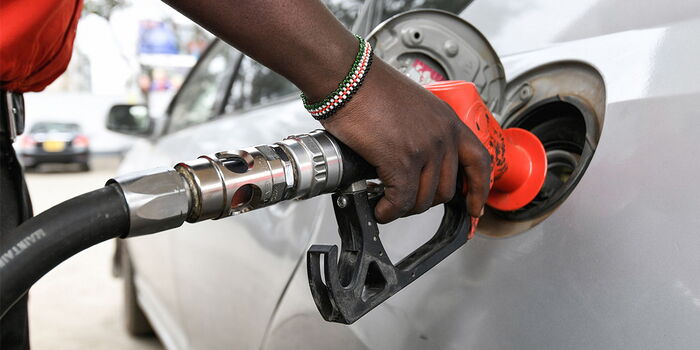
Economists are now warning of a “deflationary shockwave.” The energy market experiences price swings, which create temporary cost relief for drivers at gasoline stations, but these price fluctuations endanger the value of energy-linked currencies.
The sudden 10 percent drop has wiped billions off the balance sheets of major oil majors in a single trading session, proving that in the modern geopolitical arena, opening a gate can be more destructive than closing one.
The reopened strait allows tankers to pass through while the global energy system faces an unexpected “supply-side insurgency” threat. The G7 receives an urgent message because the energy industry has entered a new period that no longer follows predictable cycles.










Leave a Reply