

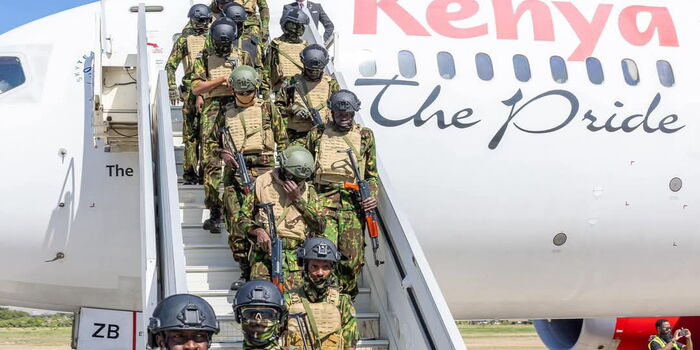
A difficult diplomatic situation has developed because sixteen Kenyan citizens disappeared into the Russian military’s “Ghost Protocol,” which creates worries about a dangerous soldier-trafficking operation that sells Kenyan people to generate foreign currency.
The sixteen men who traveled to Eastern Europe based on attractive security deals and expert training have disappeared without any contact. The families living in Nairobi explain how their relatives entered military service through a process that involves secret recruiters, whereas the reality of the situation multiplies the operational activities, which create combat environments through their blood function as “deniable assets.”
The Kenyans who serve as combat soldiers through mercenary duties operate inside “phantom units” which track their deaths as invisible events. The Russian government and the Kenyan administration face no responsibility for the dead bodies that remain unrecognized.
The situation involves more than just a missing person case because it constitutes an intentional process of “human liquidation.” The Russian military machine uses the disappearance of these recruits as an easy entry point. The recruits exist without any legal status, which allows their disappearance. This situation exists because the Russian military machine needs the current situation to unfold.
“Moscow’s silence results in a death sentence,” a security analyst specializing in Eurasian paramilitary groups revealed. “When a foreign recruit stops calling home, it usually means they have been moved to the ‘Zero Line’—the high-casualty zones where the survival rate is measured in hours, not days. They are being used as human shields to preserve elite Russian paratroopers.”
In Nairobi, the silence creates an equal degree of soundlessness that exists there. The absence of an official manifest shows that these recruits used illegal methods to leave the country, which resulted in a major security breach that allowed them to cross the border without detection.
The diplomatic deadlock, which prevents progress on the “Siberian Sixteen” search, sends a straightforward message to young Kenyans who want to work abroad for exciting jobs: signing a Cyrillic contract turns you into a ghost instead of an employee.











Leave a Reply