


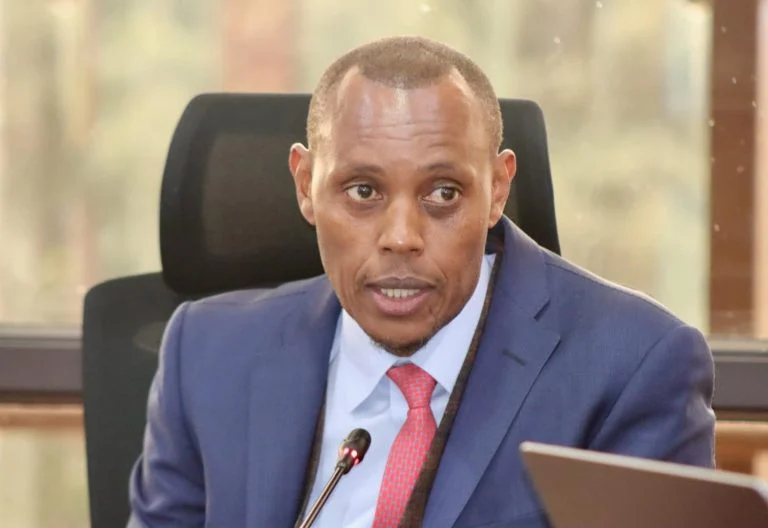
The Russian government decided to stop hiring Kenyans for its military operations in Ukraine through a historical diplomatic ceasefire, which demonstrates the deadly impact of contemporary warfare. Prime Cabinet Secretary and Foreign Affairs Minister Musalia Mudavadi announced the end of a hidden economic system that permitted young Kenyans to exchange their local job shortages for dangerous military service in Eastern Europe.
The “twisted” reality of this diplomatic pivot lies in the realization that Kenya’s greatest export—its youthful labor—was being surreptitiously converted into military ordnance. Kenyans have been lured to Russian “security jobs” and “technical roles,” which promised high salaries, but they received rifles instead and were sent to fight on the brutal Ukrainian frontline.
The agreement establishes a new policy direction that represents an urgent requirement to protect the international standing of the state because African “volunteers” created negative perceptions about the country.
The number of families reporting missing sons who went to Russia for work has increased, which created an urgent need for Mudavadi to intervene. The state enforced a “recruitment embargo,” which prevents the Russian ambassador to Kenya from recruiting Kenyan citizens. The Kremlin has determined that the geopolitical expenses of deploying African “shadow soldiers” exceed their benefits in combat situations.
The question remains unanswered because it concerns the fate of Kenyans who have become trapped within Russian military operations. The government has closed its recruiting process, but the “mercenary market” already exists as an active operation.
The great powers during wartime recruitment for “labor” purposes demonstrate a dangerous tendency that the Global South countries should recognize. The Kenyan government now declares its position that foreign countries should not treat Kenyan lives as resources to use in their conflicts.








Leave a Reply