

In a dramatic twist that has shaken Kenya’s political landscape, former Deputy President Rigathi Gachagua has publicly ratified the Democracy for the Citizens Party’s (DCP) 2026 Plan of Action and placed Cleophas Malala at the centre of its execution — even as mounting speculation and allegations of internal fractures swirl around the party.
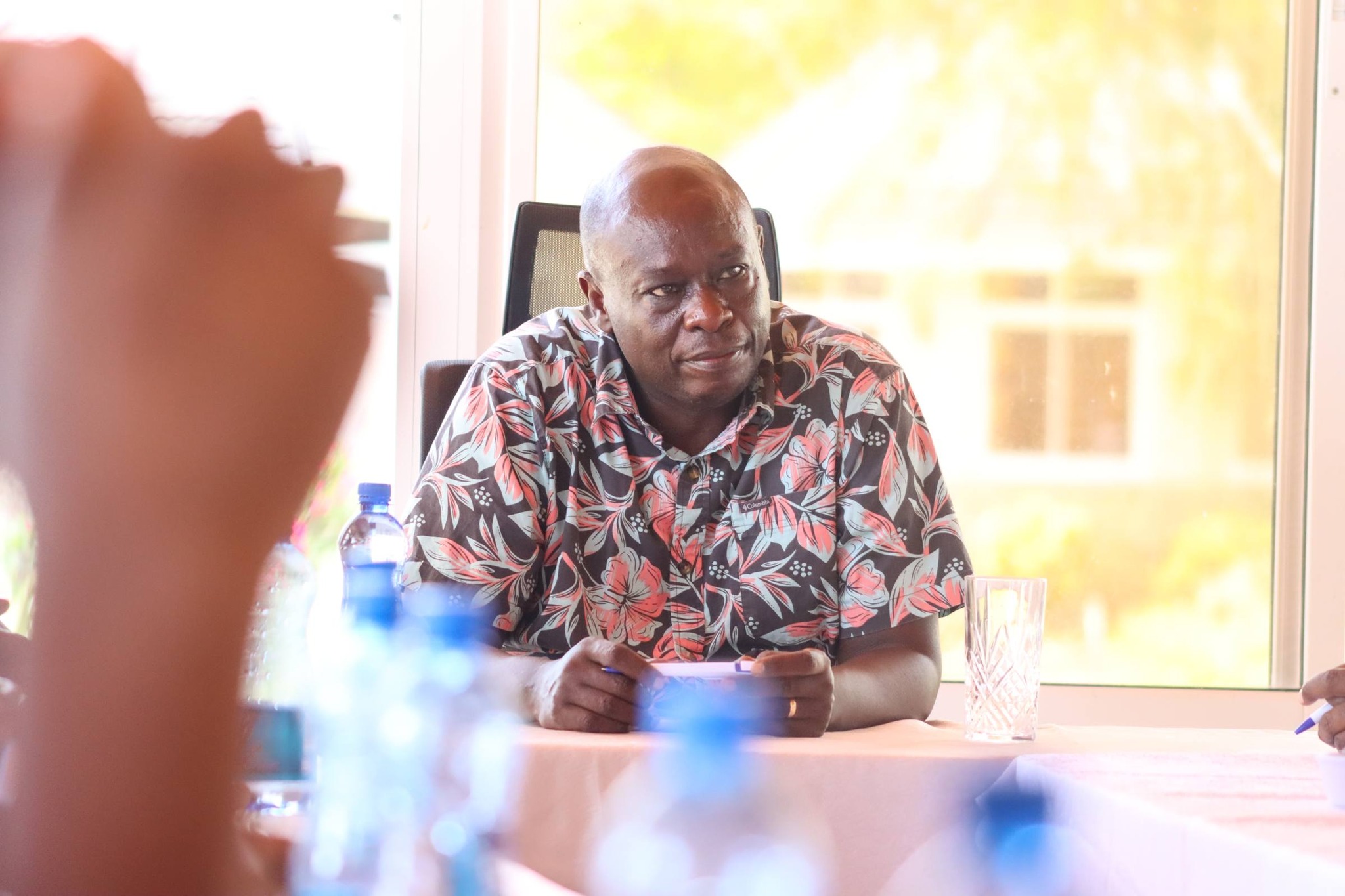
Addressing supporters on Monday, Gachagua revealed that the strategic blueprint was endorsed after an intensive three-day retreat with legislators aligned to the DCP, held at a coastal venue as the party intensifies preparations for the 2027 general elections. He said Malala — a former Kakamega senator and his deputy party leader — will spearhead implementation of the action plan nationwide.
However, the announcement comes on the heels of weeks of controversy and online speculation over Malala’s recent absence from several key party engagements — including the early days of the retreat itself — prompting rumours of an internal split. Some political analysts and social media commentators had interpreted Malala’s low profile as evidence of a rift at the top of the party hierarchy.
In a forceful rebuttal ahead of Monday’s announcement, Gachagua categorically dismissed claims that Malala was defecting from the DCP or distancing himself from the leadership circle. Speaking on a local radio station, he attributed the deputy leader’s absence to illness following his participation in the Malala Super Cup in Kakamega, insisting the rumors were being fuelled by political adversaries intent on weakening the fledgling party.
“My deputy party leader, Cleophas Malala, is a bold leader and a man of principle,” Gachagua said, refuting narratives that sought to portray the two leaders as divided. He went further to accuse President William Ruto’s allies of orchestrating the speculation to destabilise DCP’s growth, alleging that some politicians within the ranks were actually planted as spies and were already defecting.
Despite this strong defence, the episode has laid bare palpable tensions within the party. Critics of Gachagua have seized on the confusion, arguing that the posturing reflects deeper structural weaknesses within DCP as it attempts to position itself as a credible alternative to the ruling coalition. A senior party source, speaking on condition of anonymity, said some members are concerned about the concentration of authority and the clarity of leadership roles ahead of 2027. [Analysis]
The newly ratified plan, while not yet publicly disclosed in full, is understood to focus on strengthening party structures, enhancing coordination among legislators, and expanding grassroots mobilization across Kenya. This strategic push — with Malala at the helm — is widely seen as part of a broader bid to build momentum for the United Opposition coalition ahead of next year’s polls.












Leave a Reply