

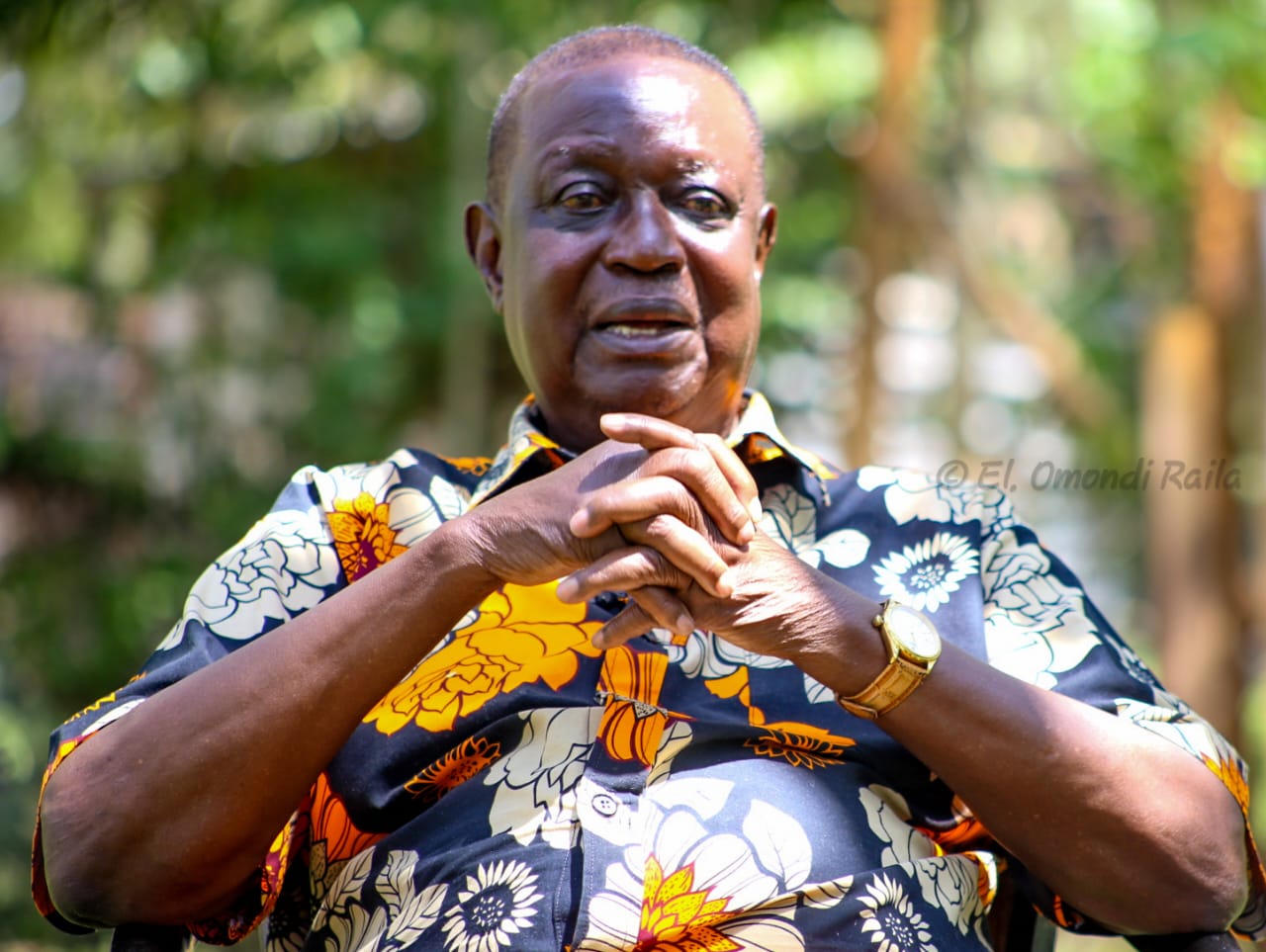
In an attempt to calm the situation and neutralize the loyalists’ revolt, ODM interim party leader and Siaya Senator Dr. Oburu Oginga has proclaimed a hard-line “ceasefire order” to the Orange Democratic Movement.
Expressing a feeling of urgency and power at his command on Wednesday, December 24, 2025, Oburu put it that the party is at such a point that the internal separation is no longer a political luxury but the very survival of the region within the national government.
The announcement comes at a moment when the “broad-based” government is being tested the first time internally.
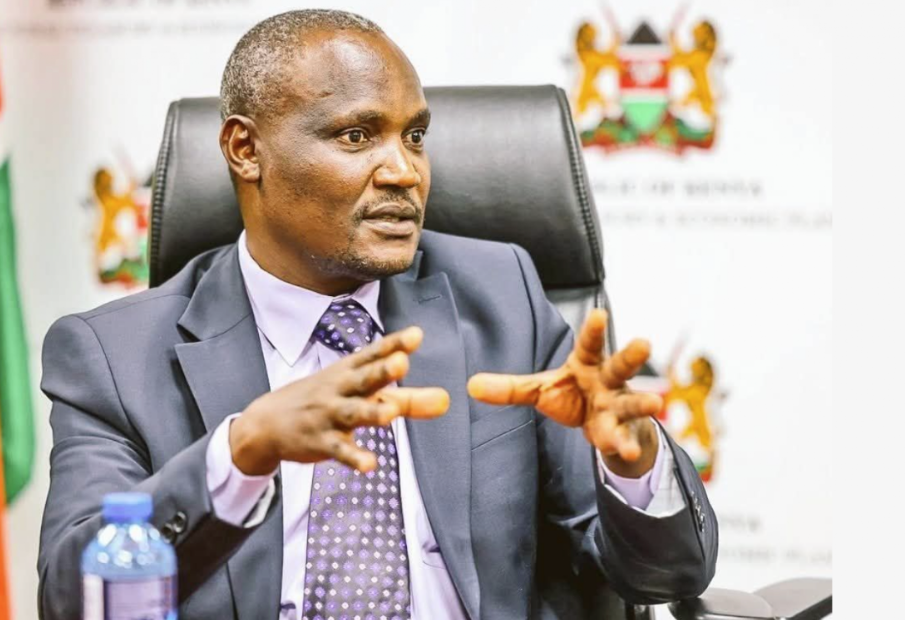
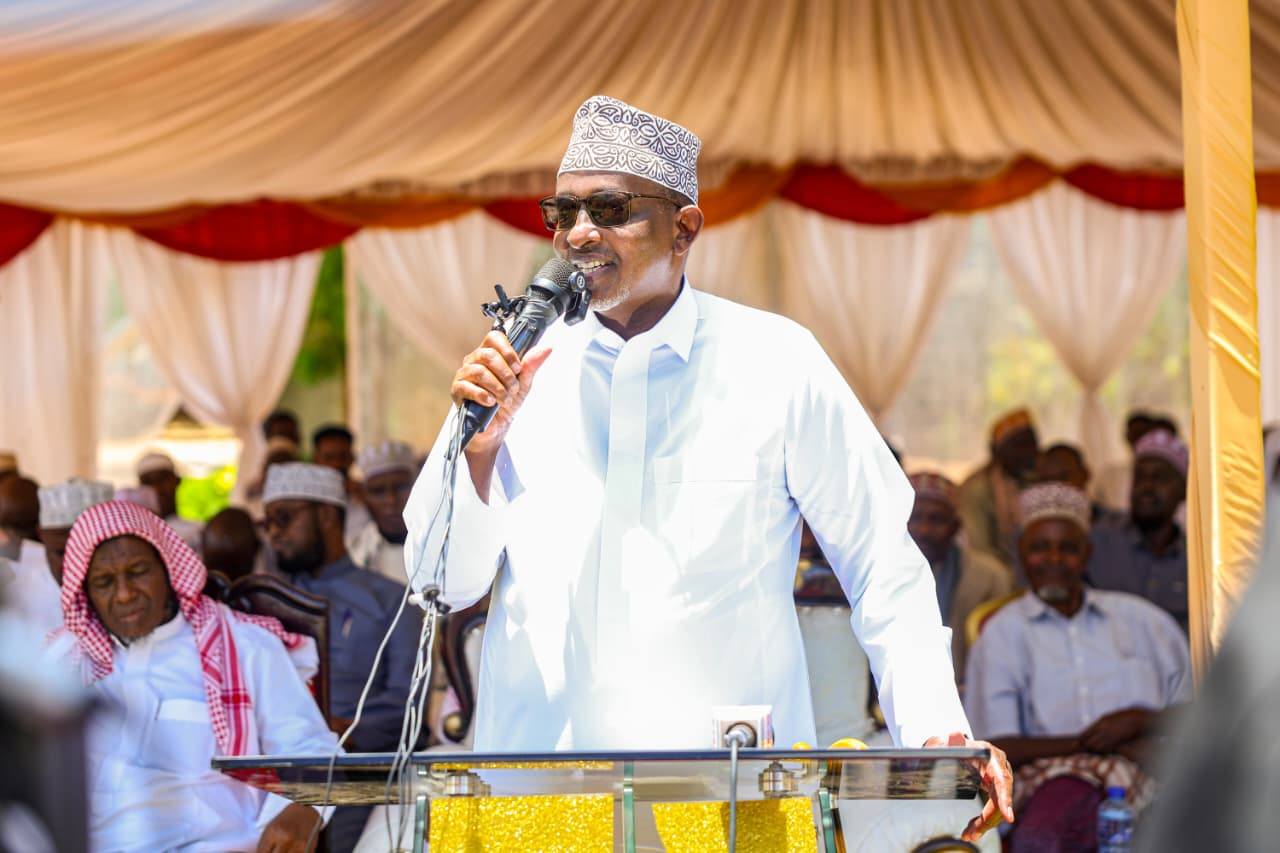
Even though main ODM personalities like John Mbadi and Hassan Joho have taken their Cabinet positions very comfortably, a strongly opposing faction within the party’s grassroots and mid-level leadership has increasingly expressed their discontent with the alliance.
The message from Oburu was unmistakable: the time for open dissent against the party’s present strategic orientation is over henceforth.
Oburu’s speech was not simply a longing for peace; it was a tactical move to secure the position of the four ODM members who are currently in President William Ruto’s Cabinet.
He maintained that any friction within the party at this platform weakens the ministers’ bargaining might at the decision-makers’ table. By referring to dissent as “division,” Oburu is, in effect, not allowing the Cabinet appointees to be undermined by their own party members.
“We don’t have any division, and it isn’t a time for division; let’s come together instead,” Oburu commented. He pointed out that ODM’s presence in the Cabinet was a “strategic bridge” for the Nyanza region.
He cautioned, however, that if the party seems to be split, it might be easier for the government to forget the development pledges made during the “broad-based” negotiations.
A proprietary study of Oburu’s timing betrays a more profound anxiety of the Oginga clan: the “decapitation” of the party’s influence.
Raila Odinga’s AUC chairmanship ambition has taken him away from the party; hence, a leadership vacuum has been created. Oburu the younger’s radical elements are taking over the party’s narrative and leading it back to a hostile opposition stance through his urgent call for unity, which is a desperate attempt.
Oburu is letting the “Old Guard” control the entire transition period by enforcing a “unity” framework. This discourages the “Young Turk” insurgents from exploiting the base’s present economic discontent to initiate a populist revolt against the party’s cooperation with the Ruto government.
The comments of the senator have been seen as a “stability pact” for the drive to 2027. He recalled to the members of the party that the “broad-based” arrangement’s advantages—such as major infrastructure projects in Nyanza and Western Kenya—are still in the early stages of implementation.
He said that the party was already fractured and that these projects would either be delayed or relocated to less “rebellious” regions.
“Let us not restrict the government to our brothers; they have development-related activities, and they cannot be using one hand to reach out for it while we are pulling them back with the other,” Oburu said.
This “performance-based unity” makes it a case of winning the Cabinet Secretaries having to produce results first before the party subjects any internal leadership change.





Leave a Reply