

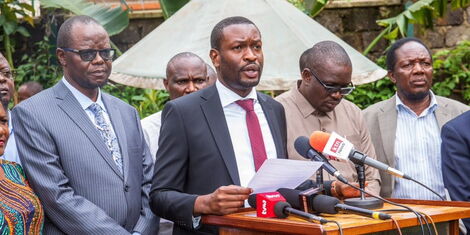
In what is being referred to as the most brilliant political chess move, the Orange Democratic Movement (ODM) has, according to reports, concluded a very costly exit strategy from President William Ruto’s “Broad-based Government.”
This shocking change, coming just before the 2027 General Election, marks the conclusion of the temporary truce that has kept the country peaceful for the last year.
The documents and briefings that have come to the attention of insiders reveal that a strong “Young Turk” faction in the party is getting ready to declare the current arrangement a failure and to gain back the opposition seat.
The strategy is to make the party’s connection with the government weaker than ever, as the latter’s unpopularity due to its fiscal policies is at its peak, before the formal electioneering starts.
It is well known that ODM Cabinet Secretaries have been sharing their duties with the Kenya Kwanza administration, but the real story is getting played out in the late-night meetings at the party’s Capitol Hill headquarters. Among the strategic moves that have not been reported is the “Trojan Horse” doctrine.
Covering the Ground: Reliable sources close to the party indicate that ODM is amassing resources and backing from the rural areas through the government influence of its ministers, and the party is actually using the 2027 elections as a battle that will be fought with the help of the government that they intend to oppose.
The Scapegoat Protocol: The plan of exit is to have a gradual “disagreement” on a crucial government policy—most probably a tax bill or a case of faulty infrastructure—the very reason that will be used as a moral ground for ODM to leave the government.
The lack of a main, unifying person has made the party a war zone. The “Post-Raila” era is now being fought over by two different and distinct factions:
“The party is right now living with a divided heart. One side is supporting the government’s continuity, while the other has already begun to give the government signs of its impending death,” remarked a senior ODM strategist who did not wish to be identified but whose words were quoted.
The Continuity Faction: This group, made up of top Cabinet officials, is advocating a 2027 alliance with Ruto. They are convinced that the only way to ensure the party’s present gains are not reversed is to stay in the government.
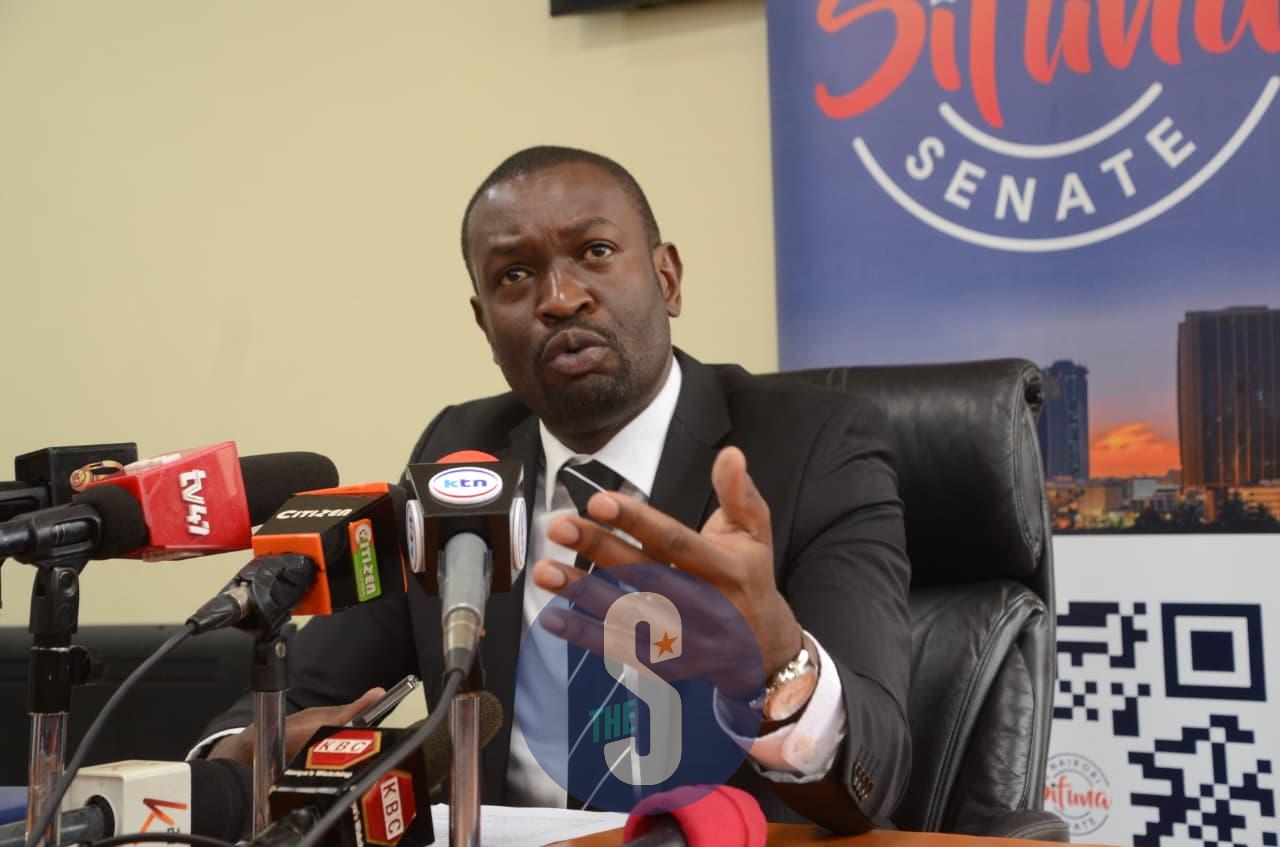
The Independence Faction: This group, led by energetic members of parliament such as Edwin Sifuna and Babu Owino, is advocating for a withdrawal from government right away. Their argument is that ODM’s association with the government will only get stronger if it stays longer, which will lead to the brand being “diluted” as the administration’s failures are perceived.
The exit that is in the plan is of the independence kind; it is, however, the first step in a wave of reorganization. Clandestine reports say that ODM leaving the coalition is timed to the largest-scale political regrouping that will involve former Deputy President Rigathi Gachagua, Kalonzo Musyoka, and other discontented regional barons.
The exit move by ODM, if successful, aims to put the new coalition at its helm instead of being branded as a minor player in the government that is going down.
President William Ruto views the possible pullout of ODM as a total demise of his “stabilization” story. Autonomy’s voting bloc has provided just such a legislative shield; without it, the administration may face a “lame-duck” scenario during its last two years, which makes it open to impeachment motions and total paralysis of its agenda.
The importance of this matter is beyond estimation. As the exit plans get implemented, the political scene in Kenya is going to experience its most radical transformation since the 2002 Rainbow Revolution—this time the change will be the most drastic.










Leave a Reply