

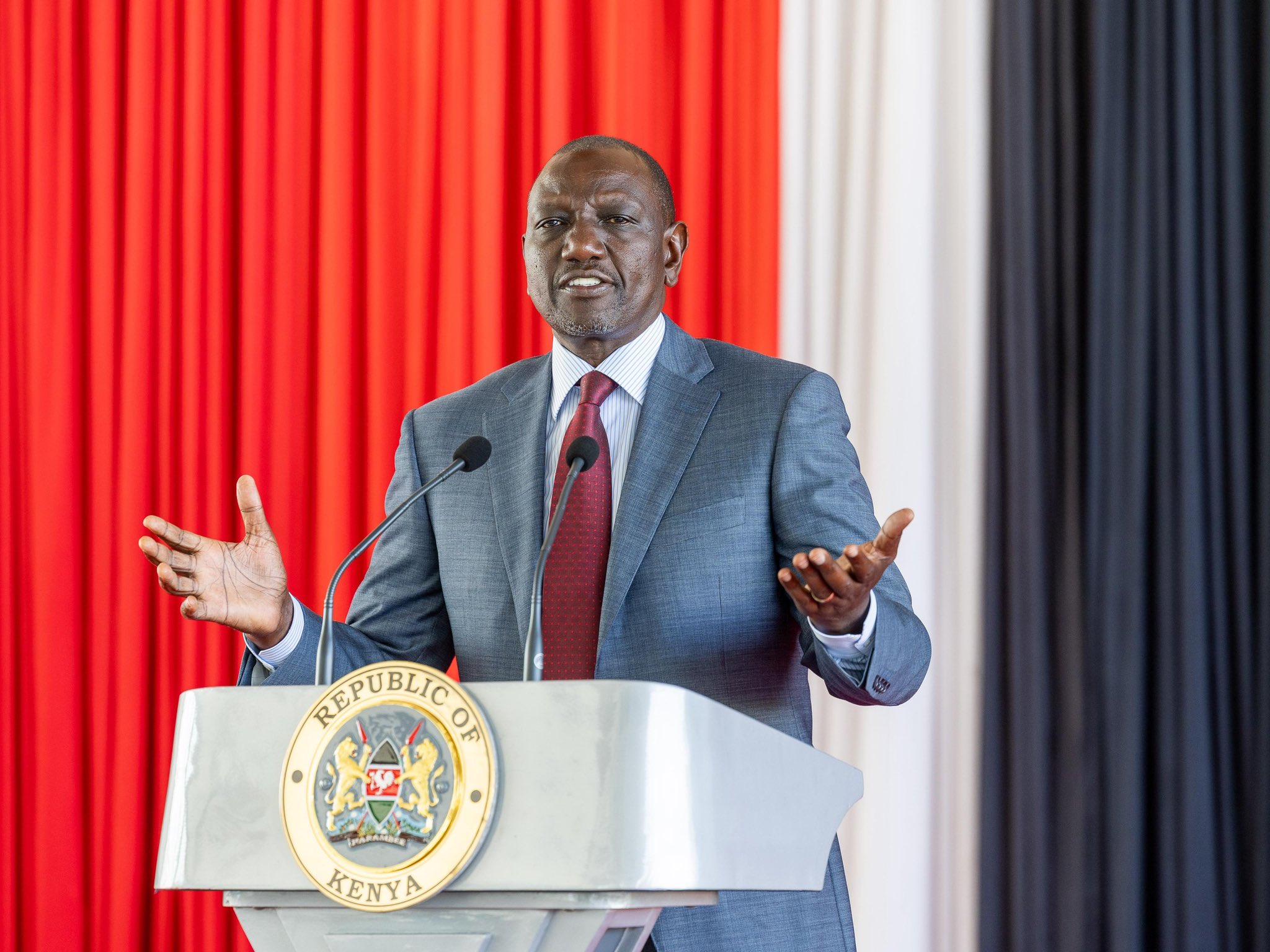
The government of Kenya faces its most intense power struggle between its presidential office and its judicial system since the beginning of this century. President William Ruto initiated his judicial assault through his public attack against the judiciary system and Chief Justice Martha Koome, whom he accused of using judicial power to obstruct his main development programs and to issue biased decisions against government projects.
The escalation marks one of the most serious confrontations between the presidency and the judiciary in recent years.
Through various statements that he made during this week, Ruto directly attacked judicial decisions that had stopped important government projects from moving forward. The president believes that certain judges have engaged in behaviors that interfere with national progress, according to Ruto’s spokesperson, who made this statement about judges, whom he accused of corrupt practices and whom he said had political ties.
Ruto’s comments break established protocols, which require Kenya’s government branches to maintain equal power relations. The government dispute centers around how courts should handle conflicts that involve state policies and public financial matters. The president’s criticism of judicial independence creates a risk to public trust in the judicial system and establishes a dangerous path that allows the executive branch to control judicial matters.
The response of Chief Justice Koome and the Judicial Service Commission (JSC) to Ruto’s statements shows their firm opposition to his claims. The Constitution requires judges to deliver unbiased judgments according to their role as judges, while Koome demands that all misconduct allegations should follow official Judicial Service Commission pathways instead of being presented during political events.
The JSC has repeatedly warned that targeting judicial officers for unpopular rulings could erode the very foundation of constitutional democracy in Kenya.
The legal experts and civil society leaders find that the current conflict between the presidency and the judiciary will bring extensive consequences because the courts currently investigate constitutional executive power boundaries while the two branches engage in public confrontations, which create institutional conflicts and make people lose trust in governmental institutions.
Some observers warn this development might empower people to disobey court orders, which Koome previously warned could lead to legal chaos if people do not control it.








Leave a Reply