

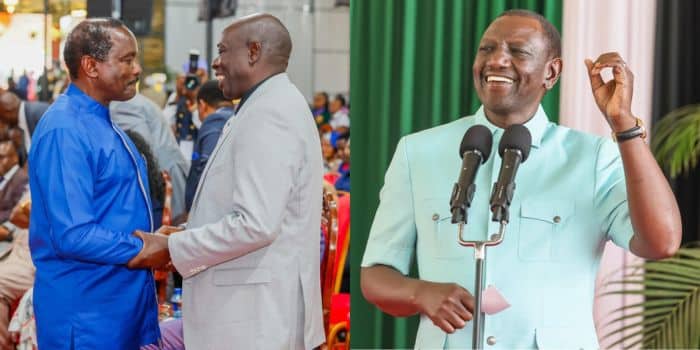
Insiders are saying that the power struggle in the political arena reached its maximum during the past elections of 2022, and at the same time, the Kenyan political scenario is unfolding in several layers: the splitting up of internal opposition, huge coalition reconfigurations, judicial decisions undermining the power claims of the parliament, and the open proposing of a parallel electoral system by the opposition leaders, which has been declared controversial.
These events happening altogether are marking a huge threat to the stability of politics and may alter the election environment of 2027—much more than what has been acknowledged in public. Here is the exclusive analysis:
- Opposition Plans Its Own “People’s IEBC”—A Parallel Electoral Authority
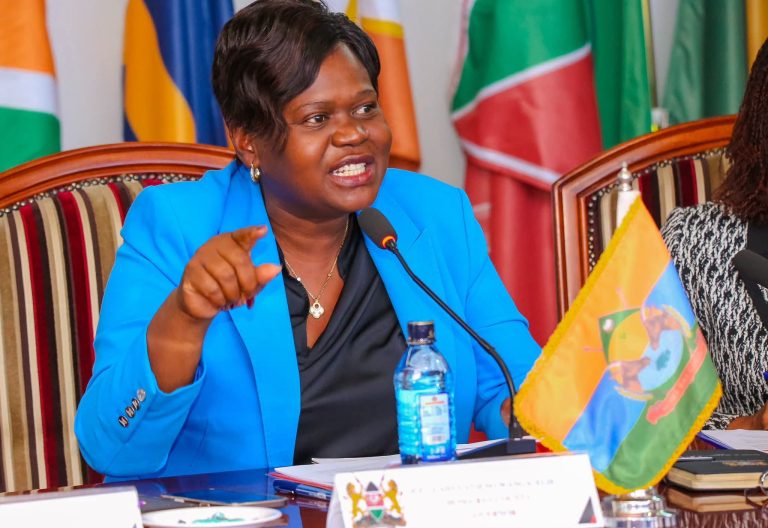
In a very public and unprecedented action, Martha Karua (People’s Liberation Party), the leader of the opposition coalition, announced that the United Opposition is going to set up its own version of the Independent Electoral and Boundaries Commission—which they are calling the “People’s IEBC”—for the 2027 elections.
Karua made it very clear that the opposition is not going to let the next elections be “compromised” by the official IEBC’s perceived flaws, and she urged the public to organize themselves and do whatever is necessary to protect the votes. Her comments are a direct challenge to the current constitutional electoral framework.
This is a unique situation, as a top opposition coalition has brought up the idea of setting up a separate electoral body that would be responsible for either handling or overseeing election results—a move that could trigger a legal and constitutional crisis if followed through.
- Deepening Rift Within Opposition and Ruling Parties
Instead of projections of a unified front opposing the ruling Kenya Kwanza coalition, now through the internal divisions:
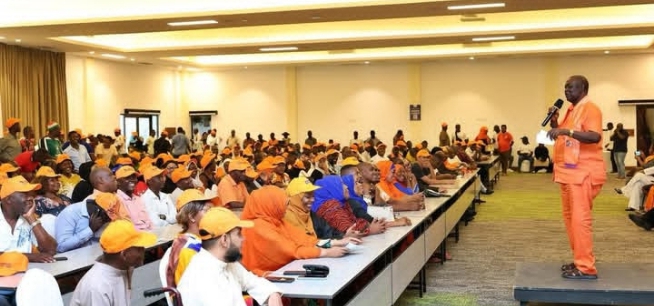
The United Opposition, led by Kalonzo Musyoka and allied with former deputy president Rigathi Gachagua, is trying to win over Orange Democratic Movement (ODM) members—such as secretary-general Edwin Sifuna and MP Babu Owino—to increase its numbers.
At the same time, there are some people within ODM who are very much against the idea of working with President William Ruto’s UDA government. They argue that their party is not in a coalition even though there have been past agreements.
Leaders from the regions are not hiding their opposition anymore—for example, Peter Munya, who is claiming his position outside the ruling party—thus leading to the breaking down of political identities even further.
The outcome: a divided political opposition instead of a united electoral force, which makes it hard to challenge the prevailing power effectively.
- Ruling Coalition’s Legal and Parliamentary Position Under Strain
The Kenya Kwanza coalition of President William Ruto and the UDA party has always claimed to be the ruling coalition and to have the support of the majority in Parliament. Nonetheless:
The High Court ruling of February 2025 found that the Kenya Kwanza coalition was not the majority in the National Assembly and declared previous decisions regarding the control of Parliament unconstitutional.
Despite UDA officials voicing their rejection of the ruling and asserting that the coalition is still the majority, this legal muddle remains unresolved and is creating institutional uncertainty in the run-up to 2027.
- Backroom Power Plays—Party Purges and Strategic Expulsions
Political insiders reveal that UDA and ODM are likely to get rid of the rebel Members of Parliament who go against the party discipline on the basis of the by-election results.
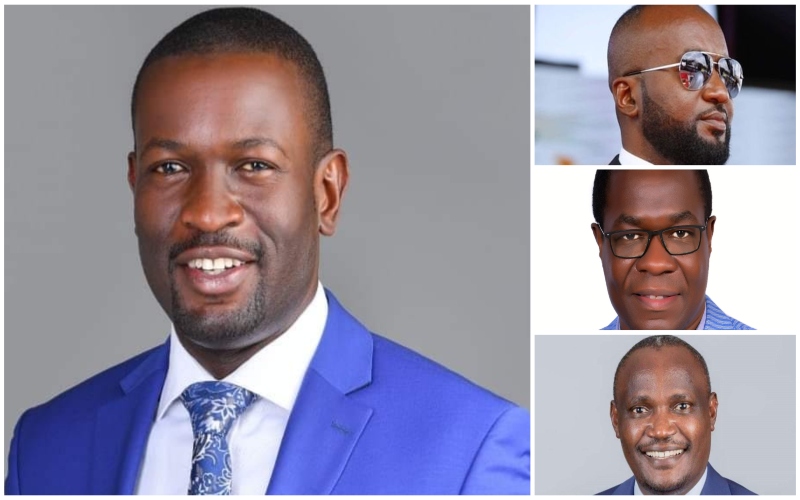
The ones who will be affected include such outspoken politicians as Nyamira Senator Okong’o Omogeni and Nyali MP Mohamed Ali, who have gone against their party lines by voting for the opposition nominees.
This shows a reinstatement of party discipline and might lead to the reorganization of expulsions that change the leadership and control in parliamentary committees and the direction of legislation.
- Public Trust Crisis—Youth Unrest Adds Pressure
The disillusionment of the Kenyan youth is not just a political party issue, but it is a major factor underground, and the youth are the worst affected group among the citizens; they have the least money, are not cared for by the politicians at all, and have no trust in the election process.
Studies agreed on the fact that protests led by the youths, especially in 2025, resulted in thousands being mobilized all over Nairobi and other counties, where casualties occurred and dissatisfaction with governance and police was greatly increased.






Leave a Reply