


Parliament starts to speed things up, to fast-track Ndindi Nyoro’s fuel tax relief ideas.
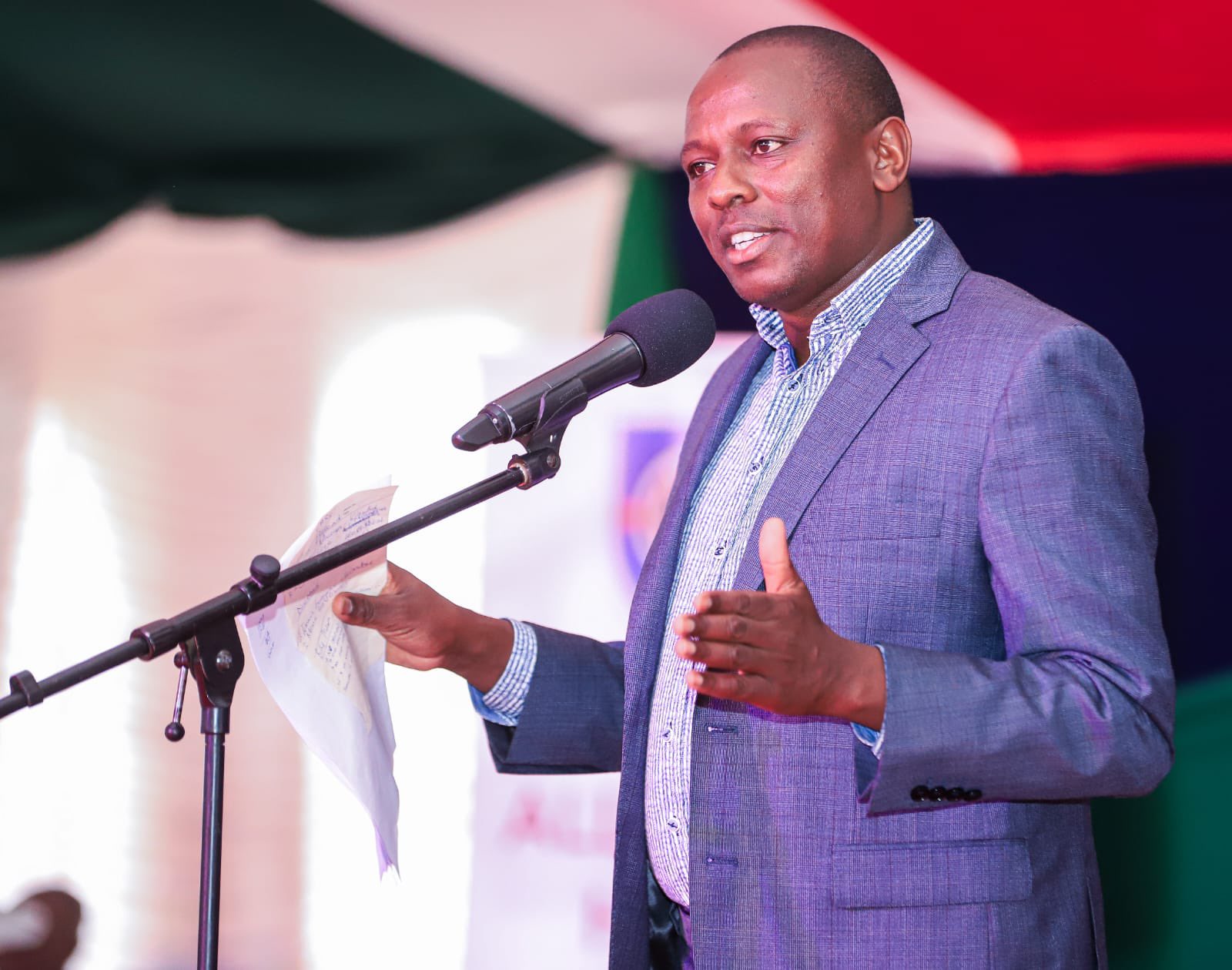
Parliamentary committees have now officially begun an urgent review of aggressive legislative proposals pushed forward by Kiharu Member of Parliament Ndindi Nyoro, meant to cut down the high fuel prices. This move comes while public frustration is, really, sitting at a boil-over level over record-high costs of living and the tough economic pressure being felt because of the current fuel-pricing setup.
The proposed changes want to reshape the way petroleum products are taxed. Critics say the system is hitting consumers too hard, and it’s also slowing down economic output. Mr. Nyoro, who chairs the Budget and Appropriations Committee, has been very persistent about a fiscal recalibration, with the goal of lowering pump prices by trimming specific levies that, apparently, add up to the final price paid by the consumer.
This review is happening under the watchful presence of several key departmental committees, and it really signals a critical turning point for government. With the current administration already under pressure to steady the economy, the legislative response is being seen as a make-or-break thing for public confidence.
“The status quo is no longer sustainable,” said an anonymous source involved in the legislative process. “The committees are looking at how financially workable these tax cuts are so that any decline in fuel prices doesn’t fully damage the national revenue collection targets.”
The hurried nature of these deliberations is also highlighted by the recent countrywide protests spearheaded by transport sector operators. Even though a short-lived truce has been announced, market observers caution that if Parliament doesn’t come through with real reductions in fuel levies, the chance of fresh civil unrest stays pretty high.
Committees are expected to run a sort of chain of consultative sessions with stakeholders, like the National Treasury, the Energy and Petroleum Regulatory Authority (EPRA), and industry experts. The main aim is to figure out how much of the fuel tax can be cut back without kicking off a broader budgetary crisis.





Leave a Reply