

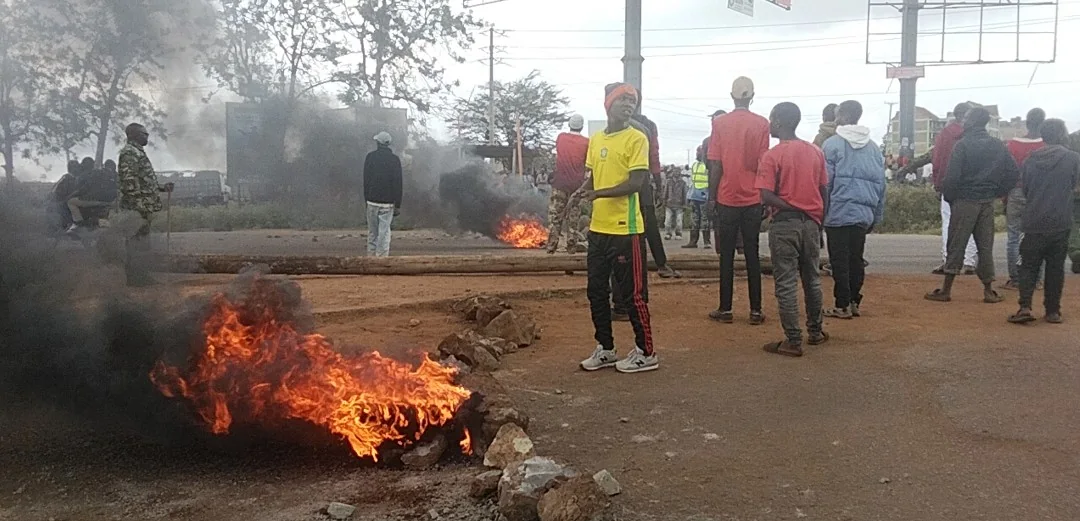
Tensions across Kenya have really kind of reached a breaking point where citizens and transport operators are collectively rejecting the government’s latest fuel price adjustment. Even with a frantic attempt by EPRA to quiet the nationwide unrest with what they called a minor diesel reduction, the overall move has been treated as a hollow gesture that dodges the real economic crisis.
The revised pricing, which took effect Tuesday, put diesel down by Sh10.06 per litre, but kerosene—still a key fuel for low-income households—went up by Sh38.60. Super-petrol prices stayed the same. That kind of “price shifting” has now backfired, and instead of calming things, it has fueled public anger, even as the ongoing nationwide matatu strike keeps major economic activity at a standstill.
The Motorists Association of Kenya led the wave of condemnation, and they explicitly rejected the adjustments. A lot of Kenyans on social media have described the move like a desperate “shell game,” saying that the diesel cut is basically cancelled out by the crippling kerosene hike.
“So the hustler will now arrive home Sh10 cheaper, only to cook Sh38 more expensively,” Kiambu Senator Karungo Thangwa said, repeating what many others are feeling as millions continue struggling with the cost of living.
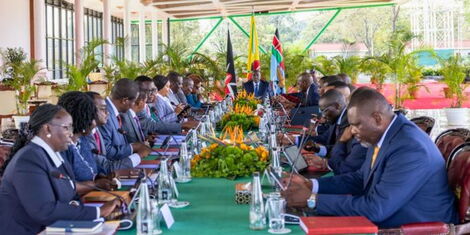
To try and soften the situation, the government convened an emergency online meeting where President William Ruto talked with four Cabinet Secretaries—Opiyo Wandayi (Energy), John Mbadi (Treasury), Davis Chirchir (Transport), and Kipchumba Murkomen (Interior). But transport stakeholders insist that no real agreement was achieved and the nationwide strike is still very much in full force.
The unrest, which started Monday, has turned deadly, like for real. Interior CS Kipchumba Murkomen said that four people have lost their lives and more than 30 have been injured, while 225 have been arrested in the midst of clashes between protestors and police.
Since schools are paralyzed, public transport grounded, and shops closed, the administration is getting more and more pressure to deal with the core fuel tax structure, not just roll out short-lived price tweaks. For now the streets are still volatile, and the whole nation is basically stuck at a frustrating standstill.








Leave a Reply