

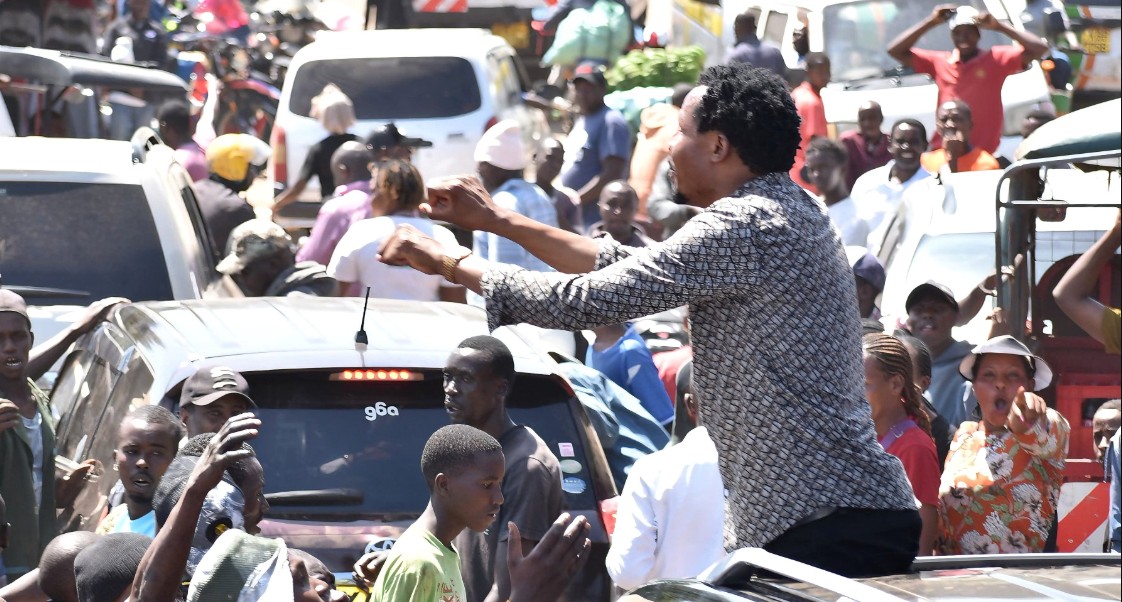
In an unexpected and extraordinary court ruling, the Milimani Magistrates’ Court has challenged the authorities’ case on the hate speech matter against Mumias East MP Peter Salasya and has instead required him to apologize to the public and partake in a peace campaign aimed at easing the tension that has been created through social media. The court’s verdict puts the candid politician in the position of being the main character in the legal showdown that is likely to affect the whole area of speech in politics in Kenya.
Magistrate Paul Mutai refused the request of the prosecution to drop the case, which was part of an attempted out-of-court settlement with the National Cohesion and Integration Commission (NCIC). Mutai maintained that the case would not be prorogued until Salasya completed his agreed obligations, which included a public apology for his conduct and participation in peace-building to mitigate heated online discussions.
The MP, who was charged in May 2025 with hate speech violations, is said to have made inflammatory and derogatory remarks towards a specific ethnic community on his Facebook page, which has elicited a strong reaction from his political supporters and various civil groups worried about the increasing ethnic strife. He will have to provide proof of meeting the conditions when the case is next taken up on March 17, 2026.
The case was withdrawn by the prosecutors on the basis of an understanding with NCIC to settle the matter out of court. The magistrate’s strict view, however, is an indicator of the judges becoming more and more intolerant of hate speech, and it is also a signal that the public officials will be very carefully monitored in their communication during the elections, especially when the general elections in 2027 are getting hotter.
Legal issues related to Salasya have been continuous, and his controversies have included, among other things, encounters with national policy discussions and negative comments about state policies, but this is the first time a court has unambiguously imposed a public apology along with a peace engagement requirement in a political hate speech case.
The verdict has generated a variety of responses. The decision has been applauded by the social cohesion advocates as a much-needed measure to counter the divisive rhetoric, whereas the opponents maintain that the public apology requirement might hinder the legitimate political expressions. Political analysts are concerned that the incident may affect the way elected officials develop their communication tactics, considering the climate of growing political rivalry and social media influence.









Leave a Reply