

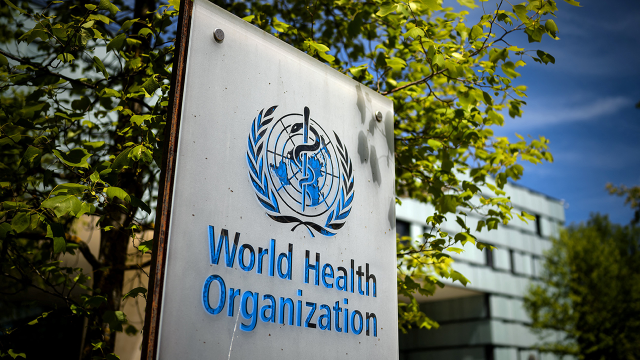
The World Health Organization (WHO) has issued a stark alert that Kenya faces a heightened risk of cholera, typhoid, and other waterborne diseases because unsafe water usage and prolonged drought conditions in nine counties require immediate intervention to prevent disease outbreaks. The warning delivered on January 22, 2026, describes an urgent public health emergency that develops through extreme climate effects and water scarcity throughout Kenya.
WHO Head of Emergency Preparedness and Response in Kenya Livinus Martins warned that Wajir, Garissa, Kilifi, Marsabit, Kitui, Kwale, Kajiado, Isiolo, and Tana River counties enter a critical period that restricts their ability to find safe drinking water. The agency reported that households now depend on dangerous water sources, which increases their risk of cholera, typhoid, and acute diarrheal diseases that occur when people lack access to sanitary facilities and clean drinking water.
The warning comes during one of the driest wet seasons on record, which has created drought conditions that make more than two million people susceptible to food shortages and illness. WHO reported that children and pregnant women face increased health hazards due to malnutrition and decreased immunity and the concentration of disease vectors around limited water resources.
WHO declared that waterborne diseases emerge when extreme temperatures combine with water shortages since these conditions create disease outbreaks that escalate during flash floods that follow rainfall. The agency reported that drought conditions in Kenya have disrupted water absorption processes, which now lead to dry soils that will cause increased runoff during rainfall.
The World Health Organization requests national and county governments, together with non-profit organizations and community leaders, to work together for safe water distribution and hygiene education and nutritional assistance in communities that need protection.
The alert includes a warning which states that extended periods of adverse conditions will exceed the capabilities of local health systems unless the implementation of preventive measures starts right away. The World Health Organization will provide its expertise and emergency resources together with technical assistance to Kenyan authorities in order to decrease the expected rise in disease outbreaks.
The alert follows recent global trends that show that cholera transmission has increased in areas that lack proper sanitation and face climate change-related challenges. Health authorities need to monitor this situation closely and implement necessary public health measures.
The authorities plan to publish new instructions about water safety and disease prevention methods in the upcoming days because they need to stop what could develop into a major public health emergency for Kenya in 2026.






Leave a Reply