

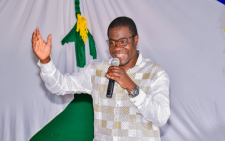
Senior opposition leader Opiyo Wandayi has mounted a forceful defense of the controversial KSh80 billion deal between President William Ruto and Nairobi Governor Johnson Sakaja, rejecting growing criticism from political rivals and civil society groups who describe the pact as “questionable” and lacking transparency.
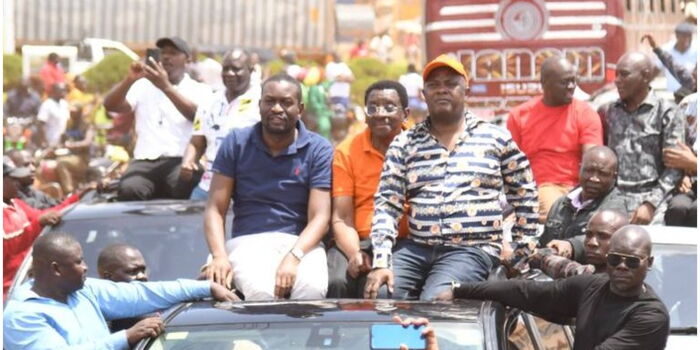
The disputed agreement — designed to fund major development projects in Nairobi County — has become a flashpoint in national discourse because its detractors accuse the administration of political patronage and backdoor bargaining that circumvents parliamentary scrutiny.Wandayi, speaking during a high-profile political engagement in Kisumu County, dismissed those criticisms as politically driven misinterpretations.
He stated that the 80-billion-shilling agreement constitutes a valid partnership that will promote development and better service delivery and produce actual infrastructure benefits for Nairobi residents and people from surrounding areas.”We must judge this deal not by rhetoric but by results,” Wandayi said, adding that critics lack a credible alternative and are exploiting public anxiety for political gain.
The agreement attained constitutional validity because it executed required procedures with essential participants and public processes. His defense faces examination from opposition members and watchdog groups who demand extra financial transparency because they doubt the schedule and procurement methods and accountability systems.
The deal has drawn criticism because its components seem to give priority to political needs instead of delivering value for public expenditures, which has resulted in demands for enhanced parliamentary control and complete disclosure of all agreement details. The lawmakers plan to introduce motions that will require officials to provide detailed explanations about the deal because taxpayers need complete access to information.
Wandayi supports the agreement through his public endorsement, which positions him at the center of political conflicts while uniting opposition groups who struggle to decide their approach to government relations and constitutional protection.
Some opposition figures have privately expressed hesitation, fearing that overt endorsement of such deals could blur ideological distinctions ahead of the 2027 general election.
Civic organizations that monitor county financial operations across the country have become involved in the controversy because they want to stop large contracts from becoming methods of corruption and unauthorized budget expenditures.
The Ruto-Sakaja agreement continues to be a major topic in national politics because Wandayi has taken his position, which creates an immediate need to examine how public funds will be distributed during this period of increased electoral competition.






Leave a Reply