

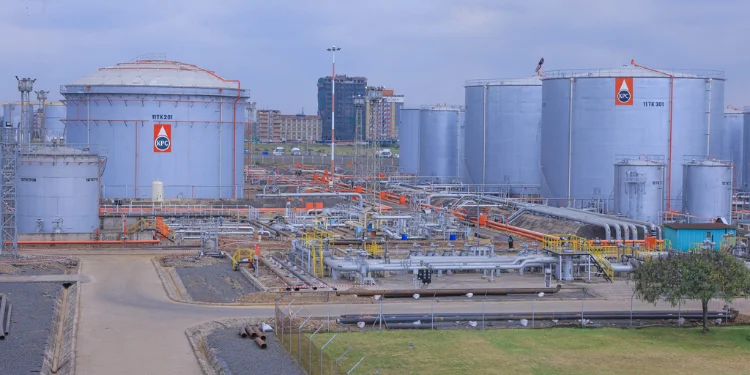
Uganda has officially joined the Kenya Pipeline Company’s (KPC) financial initiative, which involves an Initial Public Offering (IPO) worth Sh106.3 billion. The shared alliance between two countries became public after existing power structures had maintained its secrecy until now.
The agreement establishes a link between Uganda’s energy requirements and Kenya’s energy infrastructure, which will produce a powerful energy system that will control the Great Lakes region for multiple decades.
The deal achieves its highest value because of its specific moment and its restricted access. The Kenyan public has prepared itself for state-owned enterprise privatization, which now shifts KPC from being a national asset to becoming a regional corporate entity after a neighboring sovereign state became its primary investor.
The transaction functions as a financial deal, but it enables Uganda to gain strategic control over its oil price decisions through direct boardroom access.
The Sh106.3 billion IPO allows Kenya to obstruct a competing pipeline project through Uganda’s participation. The two countries established this “merger of necessity” because they discovered that energy market competition between them would not lead to mutual benefits.
Ugandan funding will support KPC expenses, which include building pipelines that connect Eldoret through Malaba to Kampala while establishing a high-pressure liquid highway system that avoids using slow and costly road tankers.
The urgent need for this IPO demonstrates that fossil fuel infrastructure will generate its financial value until renewable energy sources make these assets unworkable. The Uganda-Kenya pipeline system provides investors with assured earnings because it serves a locked-in customer base.
The IPO process establishes a worldwide market message that states that East Africa now functions as a unified energy force instead of existing as separate countries. The question about KPC’s future ownership has changed to determine who will exercise control over the valves after stock trading begins.













Leave a Reply