

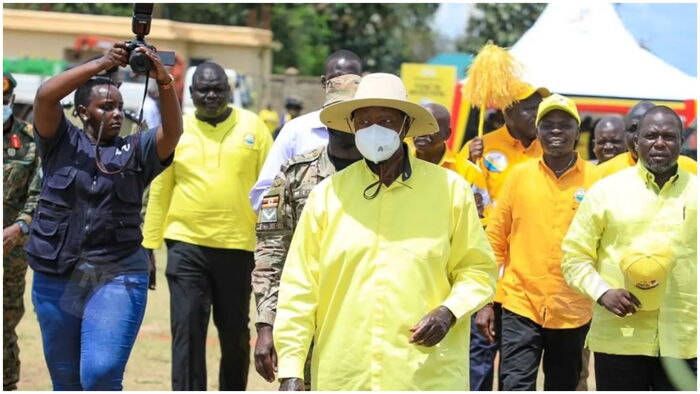
A leading human rights coalition has made a strong denunciation of Uganda’s presidential election, claiming the government was behind the repression and irregularities that the critics mentioned as reasons for the vote’s lack of legitimacy and for the threat to the country’s democracy.
The strong words, in a release done on Friday by the Kenya Human Rights Commission and its civil society partners, show a situation of an election that is very far from the standards of free and fair elections recognized globally.
In the announcement, the coalition accused the government of the day of the repression and empowerment of the military that is backing the ruling party, being the “coordinated effort to suppress dissent and entrench a military-backed grip on power” that has been going on in Uganda.
The group blamed the government’s judiciary and security forces as major factors in the so-called “state-sponsored campaign” to intimidate political opponents and rig the election in favor of the long-time President Yoweri Museveni.
The election, a high-stakes rematch between 81-year-old incumbent Museveni, who has been in power for 40 years, and opposition figure Robert Kyagulanyi Ssentamu, also known as Bobi Wine, has been plagued by controversies since the opening of the polls.
Observers and civil rights defenders have reported that the government has imposed an internet blackout in the run-up to the voting day, claiming it was necessary to prevent the spreading of misinformation, which was widely condemned as a tactic to hinder independent reporting and citizens’ engagement.
Along with monitoring limitations, security personnel have been accused of reacting violently to the opposition activities, resulting in the arrest of activists, the closure of NGOs, and the constant monitoring of civil society groups, which, according to human rights organizations, have created a climate of fear.
The statement of the coalition accuses that such actions, together with legal and institutional restrictions, have diminished the judiciary’s function as a protector of executive power, thus ruling out independent monitoring.
The opposition has made allegations concerning the irregularities in the voting procedure and the disruptions that occurred on the election day—such as polling being delayed and the practice of ballot stuffing being reported—which have all together raised the alarm about the process being tampered with.
Reports from different parts of Uganda have mentioned that there were delays due to the malfunctioning of the verification equipment and a communication blackout that made it difficult for the flow of information and election monitoring.
The denunciation from the coalition adds to the rising international criticism and brings up the question of the election outcome’s credibility, with more than one possibility of legal challenges and diplomatic consequences expected as the situation develops.




Leave a Reply