

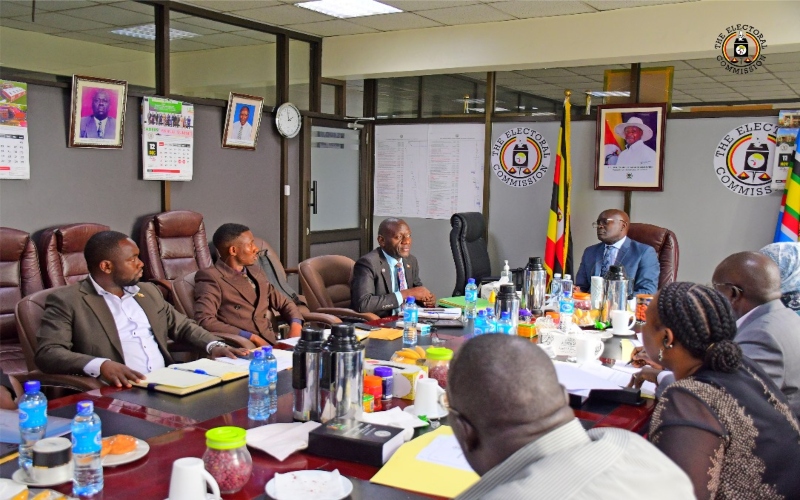
The Uganda Electoral Commission (EC) has plunged the country into a legal and political firestorm after failing to formally publish the 2026 presidential election results in writing, days after voters went to the polls on January 15 and oral figures were announced on January 17. Critics now argue the omission amounts to one of the most serious electoral breaches in recent history, threatening the credibility of the entire process.
Under Article 61(d) of the Ugandan Constitution, election results must be ascertained, published, and declared in writing under the Commission’s seal, a step that must be completed within 48 hours of polling day. Yet more than ten days after the oral announcement, no written declaration has appeared on the EC’s official website or in the Uganda Gazette, the legally recognized public record.
Former Supreme Court Justice Esther Kitimbo Kisaakye, now living in exile, has issued a blistering challenge to EC Chairperson Simon Byabakama and the commissioners, accusing them of failing to meet this constitutional obligation and casting doubt on the legitimacy of the election itself. Kisaakye’s statement demands a full explanation of why the results were never formally published and questions the integrity of the tallying process, especially after widespread reports of biometric machine failures, alleged ballot stuffing, and transmission issues amid a nationwide internet blackout.
“The burden to prove compliance with constitutional obligations rests with the Electoral Commission,” Kisaakye wrote, arguing that elections belong to the people, not administrators. Her challenge also highlights the absence of a verifiable audit trail and insists the EC clarify how it transmitted results to the National Tallying Centre without written forms from polling stations.
Human rights defenders and opposition figures have joined the chorus of condemnation, warning that the commission’s refusal to publish the results in writing “deepens a national crisis” and fuels suspicion that the process was neither transparent nor free. They link the failure to publish results to broader concerns about militarized election operations, internet shutdowns, and repression during post-polling activities.







Leave a Reply