
In a dramatic escalation of fiscal oversight, Members of Parliament have initiated proceedings to block the release of national funds to Trans-Nzoia County after local leaders failed to settle outstanding gratuity payments owed to retirees, which resulted in a funding crisis that will create both immediate and long-term consequences. The move, announced on January 30, 2026, marks one of the most severe actions by lawmakers against a devolved government in Kenya’s history.
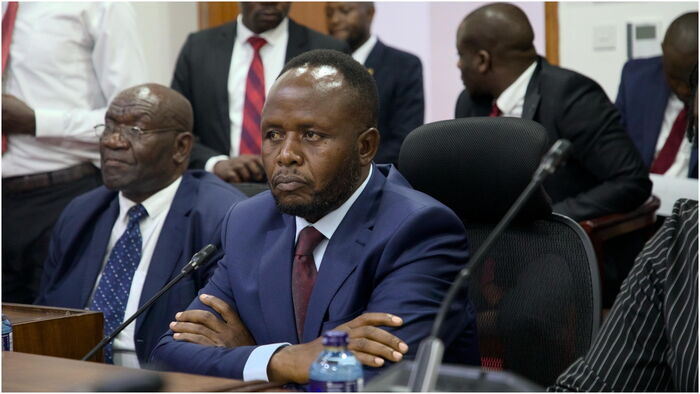
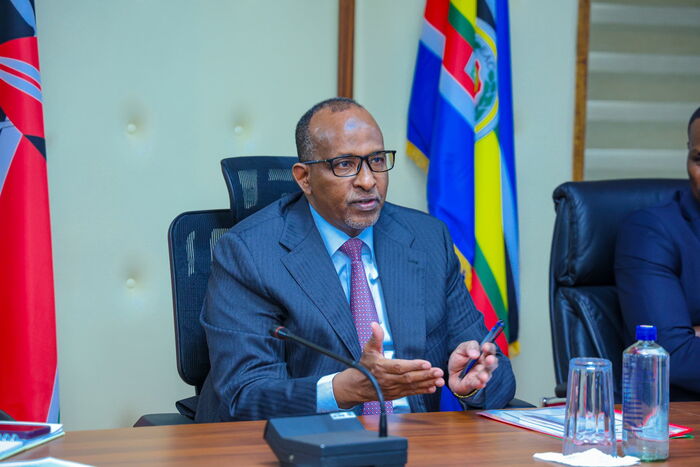
The initiative is spearheaded by MPs serving on the Parliamentary Committee on Devolved Government and Intergovernmental Relations, who argue that the county’s refusal or inability to honor gratuity obligations represents a grave breach of fiduciary duty and undermines the welfare of former county workers.
The MPs argue that the county executive has not appeared to respond to summonses that required him to account for the increasing debt that has reached hundreds of millions of shillings and now puts retirement funds and end-of-service benefits at risk for numerous retirees.
Under Kenya’s fiscal framework, the Equitable Share of Revenue must be disbursed to county governments to support essential services and statutory obligations. Lawmakers contend that Trans-Nzoia should receive its financial transfers only after the county presents a viable strategy to resolve its outstanding gratuity debts because the county has failed to fulfill its fiscal obligations.
Trans-Nzoia Governor George Natembeya defended his administration because he said the county faces structural revenue shortfalls, which become worse through two factors: decreasing local revenue collection and delayed national revenue distribution. Natembeya called for dialogue and technical support because he requested MPs to stop punishing Trans-Nzoia residents for funding problems that district could not solve.





Leave a Reply