

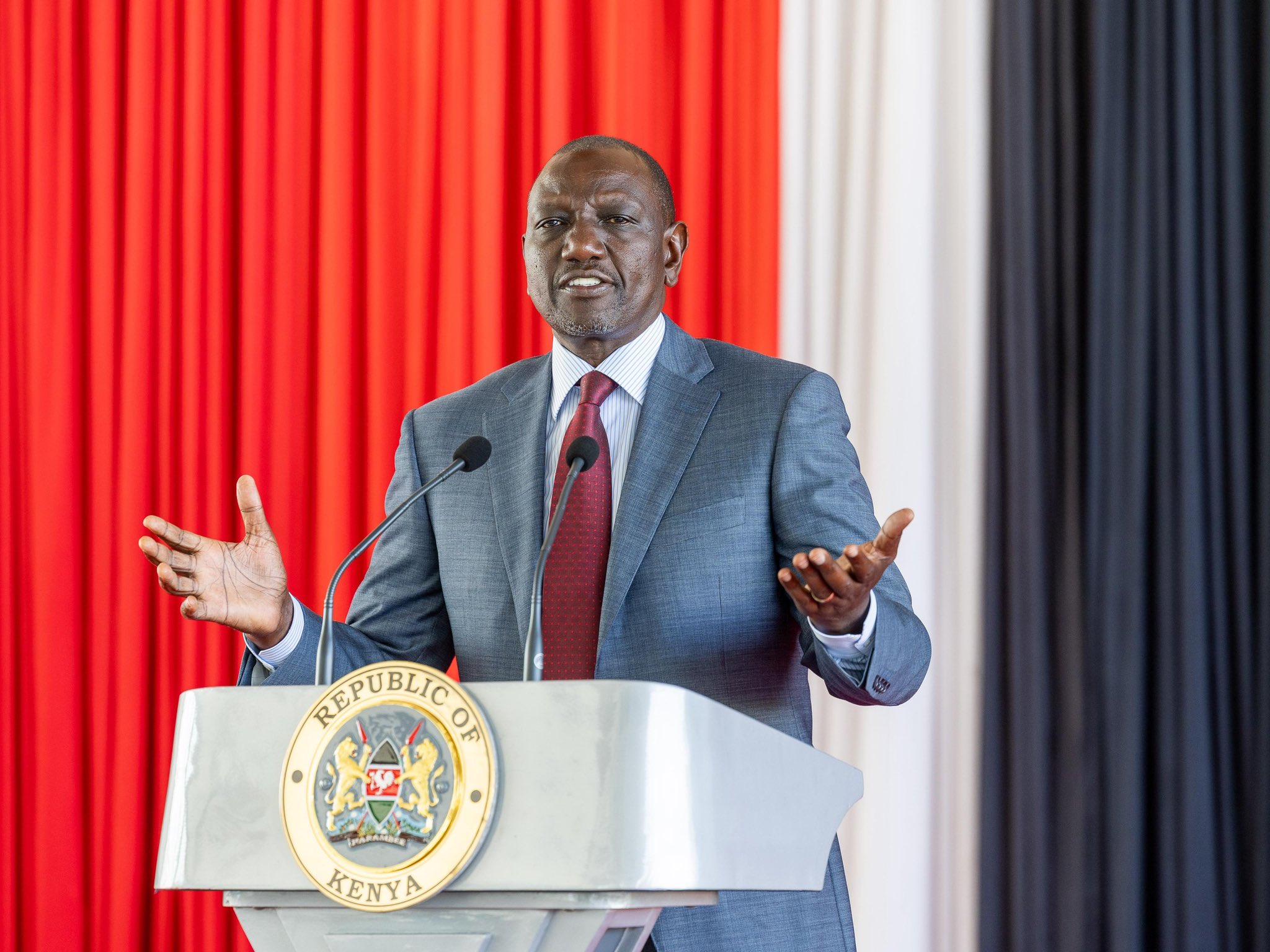
President William Ruto has authorized an executive order that establishes complete power network shutdowns throughout Nairobi to combat electricity theft, which occurs in urban areas. The mandate, which targets the sprawling informal settlements and high-density residential hubs of the capital, has sent shockwaves through the city’s underground economy, threatening to plunge hundreds of thousands into total darkness within hours.
This operation conducts combat operations, which involve active fighting in multiple areas. The president has described unauthorized connections as a “ticking time bomb” for unauthorized connections that have already drained the national utility company while creating risks to the entire metropolitan electricity grid.
The State House uses bypasses, which ignore standard regulatory warnings, to demonstrate its policy of zero tolerance against energy cartels that have operated without consequences.
The “twisted” reality of this crackdown lies in its collateral damage. The government intends to recover lost revenue while stopping electrical fires, yet their action cuts off essential services to small businesses and low-income families who depend on informal networks.
Critics argue that the 60-day window currently defining many of the president’s recent directives has now extended to a literal “blackout ultimatum” for the city’s poorest residents.
Security forces have been instructed to provide cover for Kenya Power technicians as they move into volatile zones to dismantle the makeshift infrastructure. The city faces a civil unrest threat because its power grid shutdown will create unrest in areas whose residents see state intervention as a threat to their “hustler” economy.












Leave a Reply