

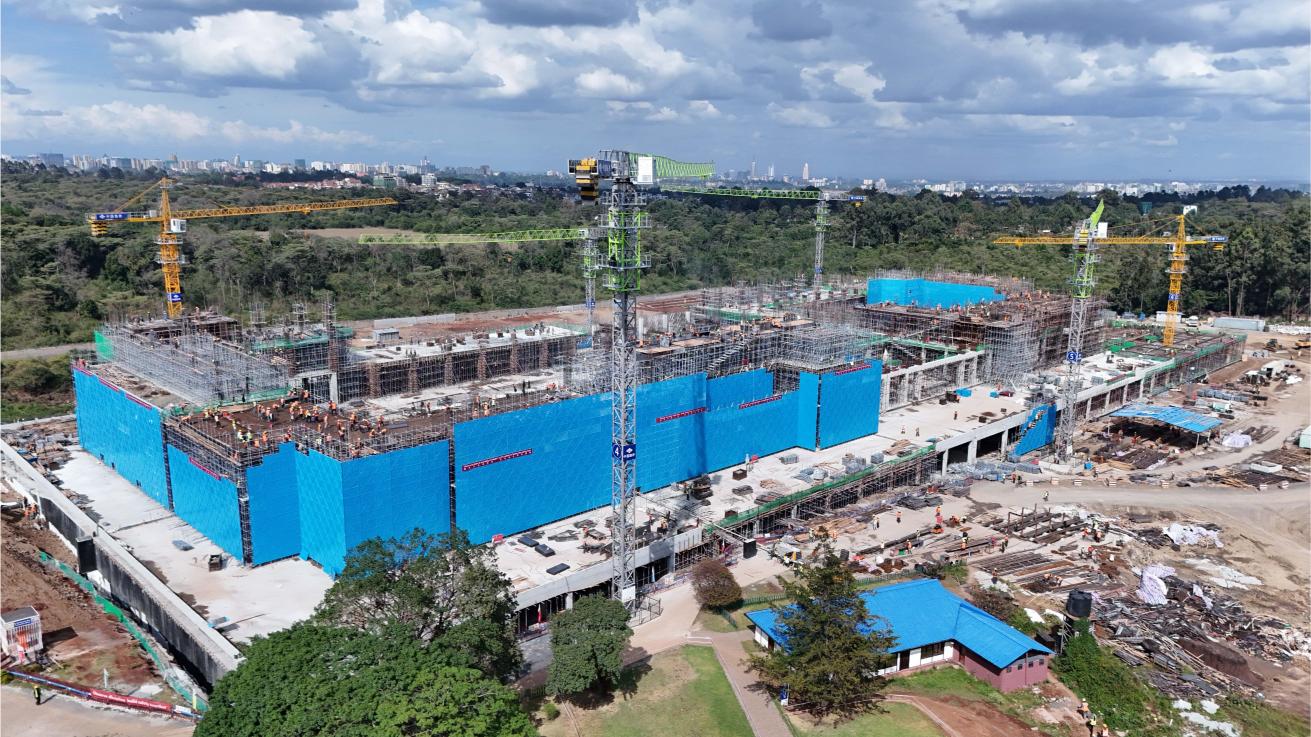
The Bomas of Kenya, which serves as a national heritage site and a location for important political votes, now faces an impending financial crisis. The Auditor General’s new report identifies multiple irregularities within the Sh419 million renovation project, which shows that politicians used national resources to benefit their business partners.
The audit uncovered a major public trust violation because it showed that officials filed fake expenses instead of real receipts. The audit uncovered a major public trust violation, which showed that officials had spent millions on a restoration project, which failed to reach its original objectives.
The actual situation beyond the numbers shows that the state funded top-quality improvements for the auditorium and cultural huts, while actual work resulted in poor-quality materials and inactive project work.
Investigators discovered that all contracts required competitive bidding because they were awarded through a process that allowed specific contracts to receive approval without competition. The Bomas renovation project became a ghost project because payment approvals occurred for work that could not be proven through physical inspection.
The Auditor General’s office has identified a serious problem because the documentation needed to support expenses, which created a Sh419 million financial discrepancy, remains missing and unresolvable.
The location that serves as the national leader announcement space has become a criminal investigation site because government officials used their positions for personal financial gain. The audit shows that the facility, which represents Kenyan cultural identity, has developed deep systemic corruption problems.
The Public Accounts Committee of the National Assembly plans to summon management because their need comes at an urgent moment. The Ministry of Tourism must explain its missing funds, which reached almost half a billion shillings, because the ministry falsely used “beautification” to mask their loss.
The Bomas of Kenya building required international presentation, but its interior damage became permanent because taxpayers had to pay for an architectural robbery that authorities called a renovation.










Leave a Reply