

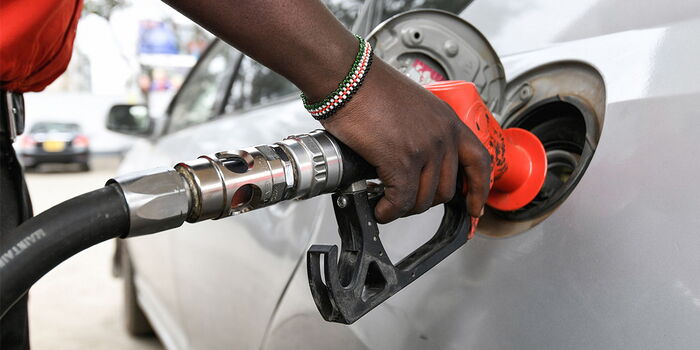
Kenya is standing at the precipice of a severe inflationary shock as global crude oil prices have surged to their highest levels since August 2025. This sudden, violent spike in the international market threatens to incinerate the marginal gains made in stabilizing the shilling and cooling domestic inflation over the past quarter.
For millions of motorists and households, the brief window of “energy relief” is officially closing, replaced by a looming price hike that could rewire the country’s cost-of-living index overnight.
The twisted irony of this surge lies in its timing. Just as the Kenyan government began touting a period of relative energy stability, the global market pulled the rug out from under the local economy. Brent Crude’s climb beyond the psychological resistance levels established in late 2025 is not merely a statistical anomaly; it is a direct assault on the logistics and manufacturing sectors.
The Energy and Petroleum Regulatory Authority (EPRA) is now caught in a pincer movement between a weary public and a volatile international supply chain that refuses to stabilize.
Unlike previous fluctuations, this surge is being driven by a perfect storm of geopolitical friction and a sudden tightening of global reserves. For the average Kenyan, this translates to a “phantom tax” on every basic commodity. From the price of a loaf of bread to the cost of public transport, the ripple effect of this crude oil peak will be felt in every household before the next review cycle.
The urgency of the situation cannot be overstated. If the current trajectory holds, the state’s ability to shield the economy through subsidies or stabilization funds will be tested to its breaking point.
The era of manageable fuel prices has not just ended; it has been historically erased by the figures emerging this week. Motorists are no longer just bracing for a hike; they are witnessing the structural collapse of the low-inflation dream. The pump is no longer a utility—it is the epicenter of a new economic crisis.










Leave a Reply