

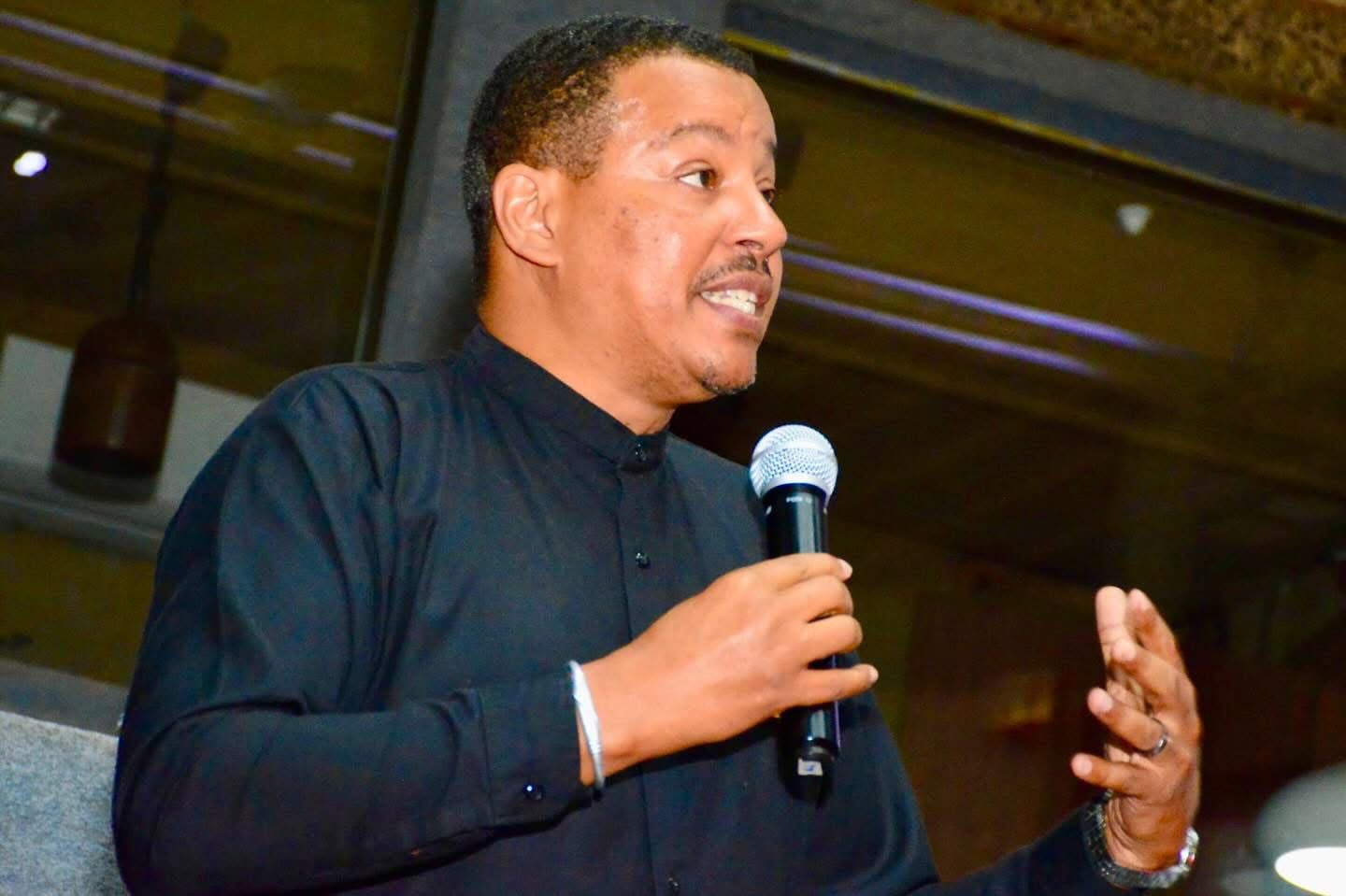
In a surprising turn of events that has a significant impact on the human rights and governance matters in Kenya, the Executive Director of Amnesty International Kenya, Irungu Houghton, has made an official resignation from the Panel of Experts on Compensation of Victims of Demonstrations and Public Protests.
He cited serious legal and constitutional concerns for his decision. His resignation was sent to the chairperson of the panel, Professor Makau Mutua, in the form of a letter on January 9, 2026, and was effective immediately.
The departure of Houghton directly connects him with a very controversial government action in the first place, which was Ruto’s extension of the panel’s mandate by half a year a few days after the start of 2026.
On December 4, 2025, the High Court had already ruled against the government and laid down the law regarding the issue of the panel structure and mandate, which went way beyond the constitutional borders. They had assigned the implementation of procedures concerning transparency, recognition of victims, and compensation to the Kenya National Commission on Human Rights (KNCHR).
In his resignation, Houghton confessed that he couldn’t keep the good conscience of a man, and his actions would be against the judicial interpretation that the court had effectively rendered this arrangement unconstitutional.
He highlighted his loyalty to the law and the reserving of constitutional processes as the main issue to be considered. He also warned that if the panel continued operating under the extended mandate, such an action might gradually render the statutory role of KNCHR ineffective, and thus, judicially condemned actions might gain legitimacy.
Houghton disassociated himself from the panel’s application that was submitted on December 15 and asked for a stay of execution on the High Court’s decision. He declared that his name had been misused without consent and that it did not represent his opinion. He insisted that political expediency must not prevail over the constitutional authority.
His resignation is timely for the government that is intent on making the necessary changes to meet the court’s requirements, claiming to be working towards making the court’s ruling operational and ensuring that the reimbursement of state violence victims is done through the courts.
The resignation of one of the most public-facing members of the panel raises the level of attention placed on the initiative and the immediate questioning of the integrity, legality, and future of Kenya’s method of handling human rights abuses in connection with protests. The legal challenges and public discussions will, however, be the determining factors in the panel’s effectiveness and the public’s acceptance of it in the near future.




Leave a Reply