
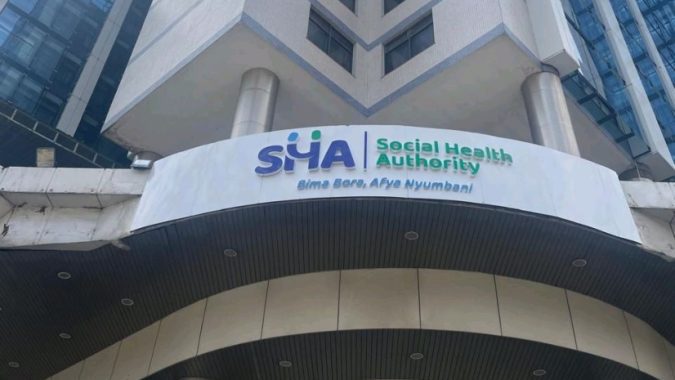
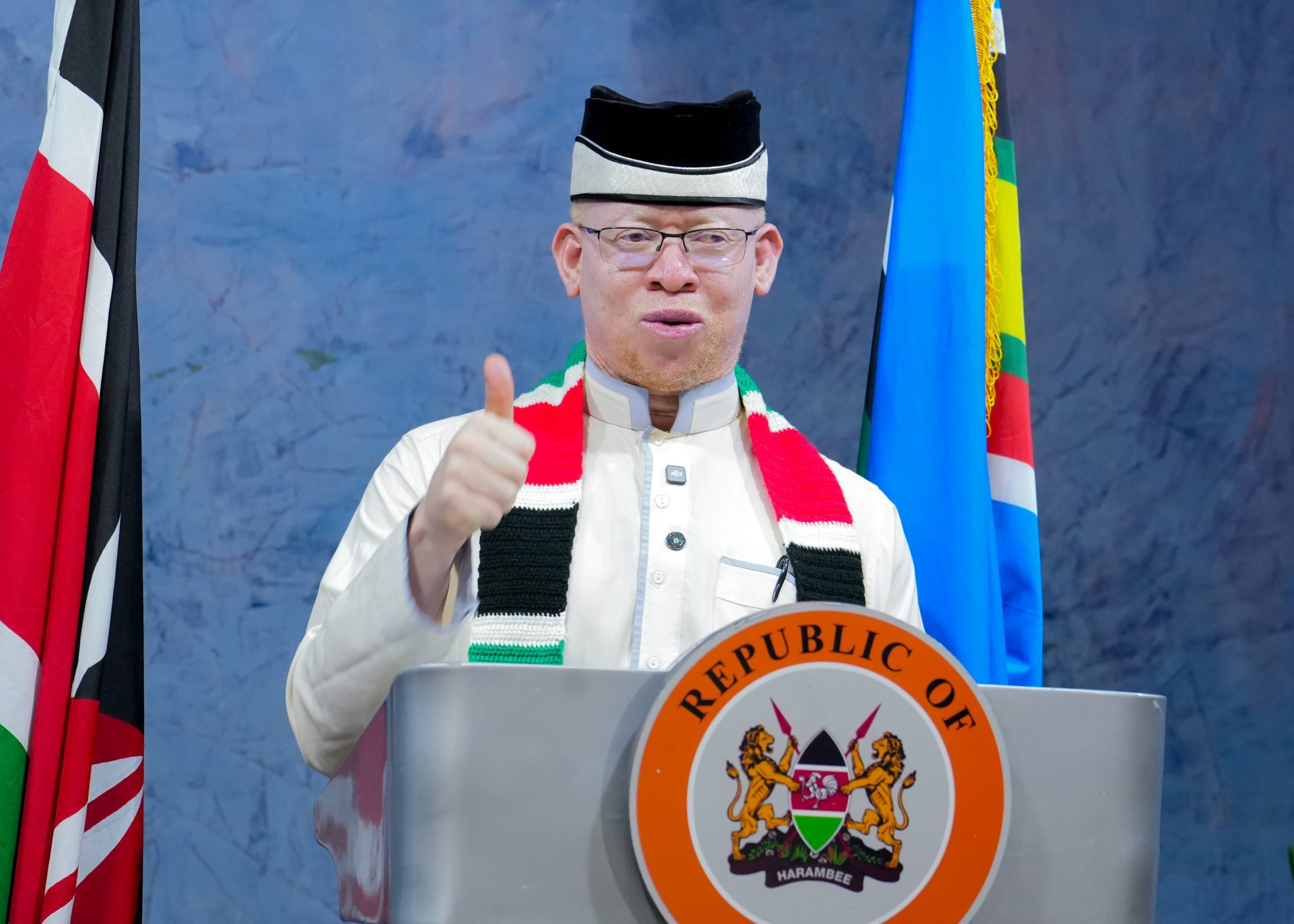
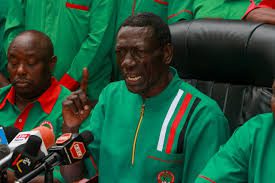
What is being termed as an extremely expensive and risky financial rescue operation, Social Health Authority (SHA) has declared that all the outstanding payments to the health care providers must be made by tomorrow, December 24, 2025. This revelation made by Dr. Abdi Mohamed, the SHA Chairperson, could not have come at a more challenging time, as both the private and public medical institutions across the country are already planning to stop taking in new patients under the social insurance scheme during the holiday season.
This fast track payment is aimed at clearing the huge backlog of claims that have been building up since the NHIF transition started. For quite a while now, the hospitals especially those that are part of the RUPHA are shouting out lamenting about the “liquidity strangulation” they are facing which basically has put them in a position where they can’t even pay their staff or buy vital medical supplies.
The timing of the announcement has been carefully planned. Insiders in the Health Ministry indicate that the government was presented with a silent but strong ultimatum from leading hospital groups: pay up the debts or no SHA services come Christmas Day. By taking this step, SHA is attempting to avert a public relations disaster and a humanitarian crisis at the busiest travel and holiday time of the year.
So while the December 24 deadline does prevent an immediate crisis, veteran economic experts have already pointed out the existence of an even more serious “twist” in the funding system that has though hidden been there all along. The most recent findings from the Controller of Budget show that unremitted statutory contributions which should have gone to the health fund still amount to a staggering Sh39 billion.
The implication of the situation is that the funding for the present payout has been mainly through direct government support rather than the collection of member contributions that the Social Health Insurance Fund (SHIF) was meant to depend on for its sustenance.
The “emergency funding” model prompts the consideration of January’s situation. In case the government has to deplete the National Treasury in order to pay for medical claims due to the non-remitting of deductions by employers and state corporations, the whole idea of “Singapore-style” universal healthcare could be a fiscal mirage.
According to Dr. Abdi Mohamed, this payout signals the beginning of a commitment to win back the user’s trust in the digital e-claims portal plagued by tech bugs and verification delays right from the start. “We are determined to make the transition into the new year without any facility suffering financially,” Mohamed said asking the providers to make sure their documentation is accurately matched to prevent further rejections.
Many hospital managers, however, are convinced that the situation is represented by the financial status of their accounts. The issue of the vast majority (90%) of private hospitals reporting very poor financial situations not more than a month ago is the most critical factor that will determine Kenya’s medical sector either entering 2026 as non-viable or with the feeling of stability renewed in the coming 24 hours.




Leave a Reply