

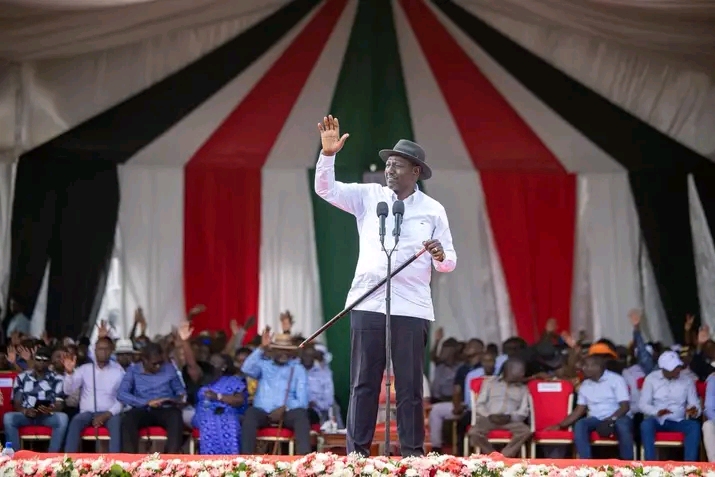
PresidentWilliam Ruto has made a very daring and polemical assertion calling for turning Kenya into a first-world country “at any cost” and going so far as to say that Senanagan’s must be the only vision for the country. At a public function, Hhestated that the nation still has to ditch its third-world image and reform the fiscal and tovernance structure very aggressively along with them; the said reforms aaimat nothing less than prosperity and global combativeness over time.
The President pointed out that the administration will be developing these reforms through forms such as investing heavily in infrastructure, technology, industrialization,and human capital development activities spreading over the whole country. He said that the major development push would be very much similar to what countries like China, SSingapore,etc., went through , i.e.,starting with ddiscipline andinnovation and gradually moving up through different types of reforms that are sustained for long periods. Ruto is now proclaiming that the journey to first-world status is not an option but rather a must for the country’s future,even in the scenario where the journey would be a very difficult one.
The President’s bold assertion has elicited mixed reactions from both sides of the political spectrum as well as the general public. While supporters of Ruto have praised the grand vision, claiming that Kenya very much needs such va visionaryleader and good gguidanceto heal its economy, critics have been pointing out the cynicism behind the promise and the potential shortage of the required qqualities,such as transparency, aaccountability,and policy cconsistency,during the whole transformation. In the midst of discussions, the spotlight is now on the government’s ability to deliver on the grand promise and bring about real change in the lives of common Kenyan people.





Leave a Reply