

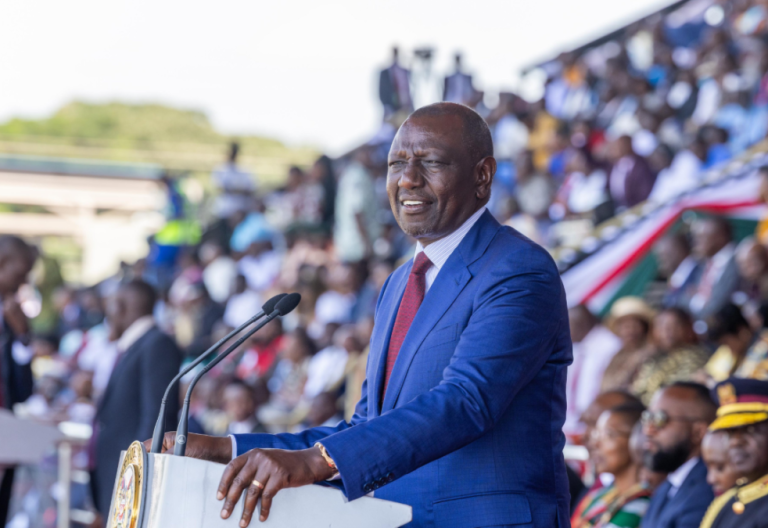
From State House to Streets: Directives That Turned Ruto Into a Lightning Rod.
In the year 2025, the rulership of President William Ruto became very controversial across the whole country as a number of presidential orders caused a great deal of public uproar that had never been heard before, and the civil society, politicians, human rights advocates, and even the common man all criticized the president very sharply, claiming that he is being too generous with his powers, disregarding the constitution, and practicing divisive governance.
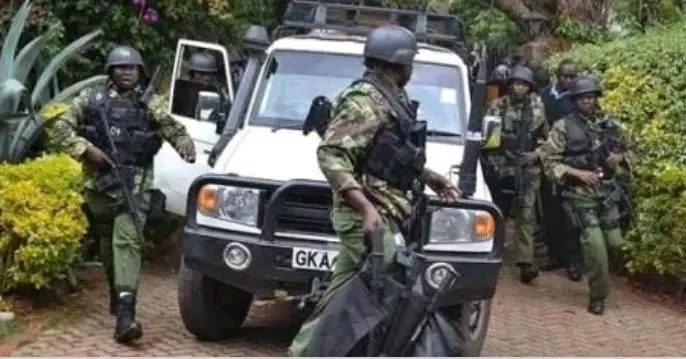
The president’s most shocking order was made at the height of the unrest when he told the police in public that they should “shoot the leg” of the rioters who were connected to the acts of arson and looting.
The statement instantly brought wrath from the human rights organizations, legal experts, and opposition politicians who cautioned that it opened the door for the use of deadly force and further encroachment on civil rights. Later the president justified his position during international interviews, asserting that he had the order standing as lawful under particular conditions.
The next flashpoint was Ruto’s idea of constructing a church that would be permanently housed inside the State House. While the proposal was interpreted by the presidency as personal faith and national dignity, the critics maintained that it obscured the constitutional separation between the church and the state, which in turn heated up the debate on secularism and equal religious representation.
The grand scheme of the president to make Kenya a “first-world nation in 30 years” also received strong criticism. Although the plan had some admirers among the public, the opponents completely dismissed it as unrealistic and disconnected from the pressing socio-economic problems the common people are facing.
The granting of a full state funeral to the late former Prime Minister Raila Odinga by the president, which included a 17-gun salute, sparked a rare and hot national debate. The act was seen by some as a sign of political unity; however, others interpreted it as a politically motivated action that clouded accountability.
Eventually, a government order that was quite contentious and that was to loosen the hardcore vetting of National IDs for the purpose of making access in deprived areas increased people’s security fears, with the opposers pointing out that the measure could not only weaken border security but also open the doors for abuse.
All these measures have put the Ruto government under a heavy storm of criticism as opponents are asking for more transparency, a legal framework to be established, and a vigorous discussion on the boundaries of presidential power prior to the 2027 elections.










Leave a Reply