
 Wamuzi News Ke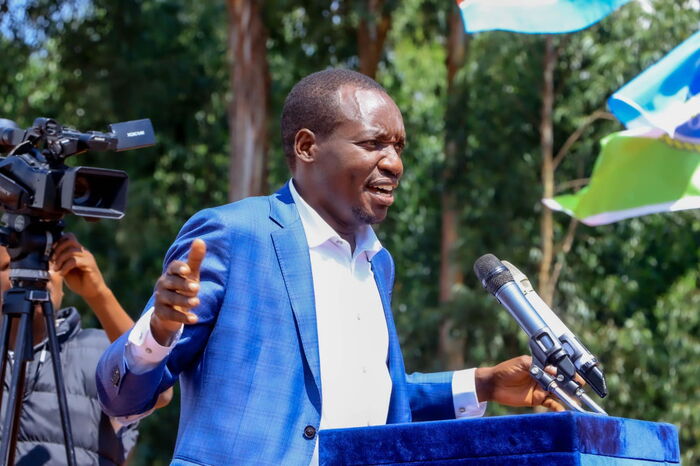
As the political saga of Kenya continued to unfold dramatically and to heat up the 2027 general elections, Orange Democratic Movement (ODM) Deputy Party Leader and Kisii Governor Simba Arati has categorically stated that ODM is not going to be the opposition but will instead become the next government.
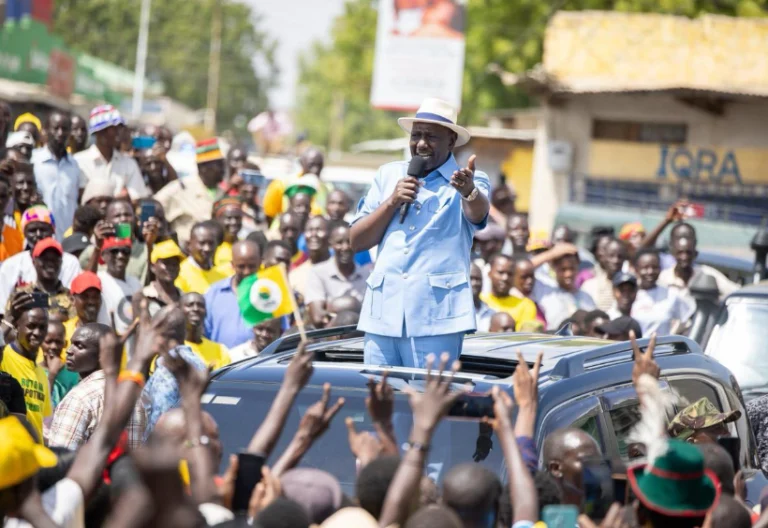
It was a highly charged speech to the supporters that brought about the statement and thus marked an increasingly intense contest for the presidency that could end up altering the country’s voting patterns.
During the rally, Arati made it clear that he would not accept the weakening of ODM after the elections, and he spoke of the party having both the presidency and the leading role in the formation of the next government—either alone or via a coalition.
His announcement comes directly opposite to the speculation in the air about ODM’s strategic direction after Raila Odinga and is likely to facilitate the party’s internal power struggle over its partnership with the ruling coalition government that is very broad-based. “ODM will not be in the opposition in 2027.
We will form the government either as a party or as part of a coalition,” Arati said, stressing his confidence in the party’s voter appeal and organizational power. He maintained that the Orange Party would still be counted among the biggest and most powerful political forces in Kenya, ready to take on the government’s party’s supremacy.
Besides, the governor’s statements carried a significant political overture to President Ruto. He even went as far as inviting him to come back to ODM—a party that he co-founded—and to be the one carrying the party’s flag in the 2027 elections. Furthermore, the governor argued that not only would Ruto’s comeback to ODM be very attractive in terms of the party’s electoral prospects, but also it would be a tribute to the late Raila Odinga.
Arati’s pronouncement reverberates in the context of a larger reorganization in ODM after the death of Raila Odinga, which created a leadership gap and led to internal debates about the future direction of the party. The senior officials of ODM, comprising the newly appointed party leader Oburu Oginga and other deputies, have been working together to consolidate the party’s support and also define its role in national politics before the next election cycle.
Political commentators are of the opinion that Arati’s assertive announcement could escalate the factionalism within ODM concerning the question of whether to keep their working ties with the Ruto-led coalition government or, on the other hand, to part ways with it and highlight a more independent identity.
There are, however, some party veterans who have been advising the leadership to take the alliance with the ruling coalition slowly, as they say it could blunt ODM’s distinctive political brand and also drive away their core supporters.