


In an event that is positively dramatic, the national government has put an end to the free day junior (FDJ) school capitation funds saga for the first term of the 2026 academic year and thus lifted a major obstacle that has been causing learning disruptions and school closures throughout the country.
The Ministry of Education announced this move, made in the early hours of Wednesday, following overwhelming pressure from the legislators, parents and school management over the pneumonic financing that had left teachers and head teachers scurrying to gather the very basic operational costs.
The disbursement which according to the ministry has already started to be made to primary schools in all 47 counties, covers the necessary classroom expenditures like teaching materials, utility costs and other institutional needs.
Education stakeholders had cautioned that a continuous release of capitation funds that was slowed down would lead to re-scheduling of classes, informal parent contributions and would also seriously affect the constitutionally guaranteed free basic education.
A statement released in Nairobi by the Principal Secretary for Basic Education indicated that the funding is a way of the government showing its commitment to making sure that every child in a public primary school is provided with the chance to quality learning without financial hurdles.
Thousands of schools are thus benefited by the capitation and it is also anticipated that it would lighten the load of administrative tasks that had been causing some institutions not to be able to buy even the most essential supplies.
Nonetheless, the news has incited a variety of reactions. Some educators and the public have expressed concerns, the main reason being us the government traditionally fixes the amount per student, which may under no circumstances be enough to meet the demands of increased pupil numbers and the inflation fight which is going on.
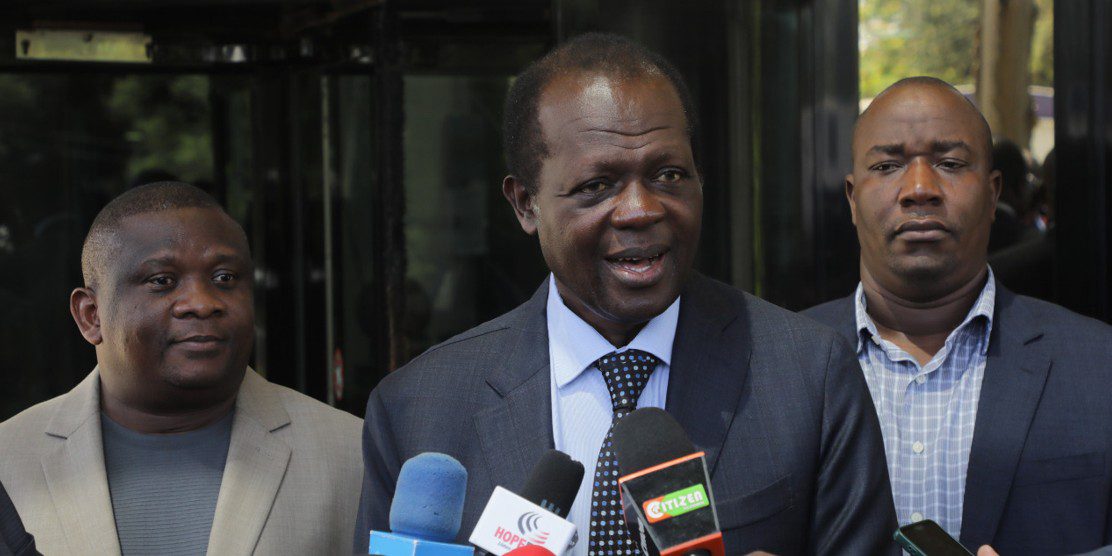
A group of heads of schools from Nairobi and Kiambu counties informed media that although the release is good news, they still might have to raise funds due to shortfalls.
The opposition leaders took a hold of the matter, blaming the government for delays and inconsistency in policies and adding that if the capitation is not fully adjusted to the actual school requirements, the disruptions in learning process might reoccur during the middle of the term. They assured that there would be constant monitoring at the National Assembly to make sure that there would be accountability and that the fund releases would be on time in the coming terms.








Leave a Reply