


A group of police officers has received official recognition as chaplains through their appointment to national law enforcement status that leaders implement to help security staff cope with increasing mental health issues while they create new methods of internal assistance.
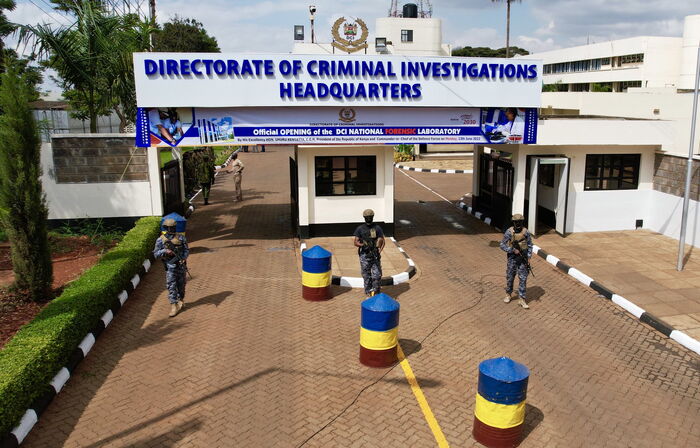
The police training facility hosted a ceremonial event that served as the first official installation of chaplains who came from active-duty police officers.
The ordained members of the clergy will function as spiritual advisors who provide emotional assistance to police officers who experience psychological stress as well as trauma and burnout, which the department has started to acknowledge as common issues in its work of dealing with violent incidents and public safety emergencies.
Senior police officials at the ordination event explained that the program demonstrates police departments show equal dedication to officer health and operational readiness. “Our personnel are on the front lines of some of the most challenging situations any person can face,” a high-ranking official said, noting that spiritual care and emotional resilience are key to effective policing.
The situation arises because military personnel experience rising mental health issues, which result from their contact with traumatic events, their extended work shifts, and their daily workload requirements. Advocates for police welfare expressed their support of the chaplaincy program because it creates secure environments that allow officers to request assistance without facing judgment.
The ordained chaplains will provide pastoral care through their work, which will include supporting peer groups and acting as links between police officers and mental health experts. The organizers established chaplaincy programs through spiritual guidance but made them available to officers from all backgrounds who wanted complete support.
The critics who supported better mental health services argued that spiritual solutions should work together with clinical services and required public health system changes.
Police leaders needed to establish chaplaincy programs that would work together with professional counseling services and trauma therapy programs and wellness programs that handled all mental health requirements.
The first stage of the chaplaincy program will start through pilot projects that police departments will implement, which will lead to countrywide implementation after evaluating results.
The police officials aim to create a workplace environment that includes emotional and spiritual support for their officers because this will help them meet work challenges while staying strong.












Leave a Reply