
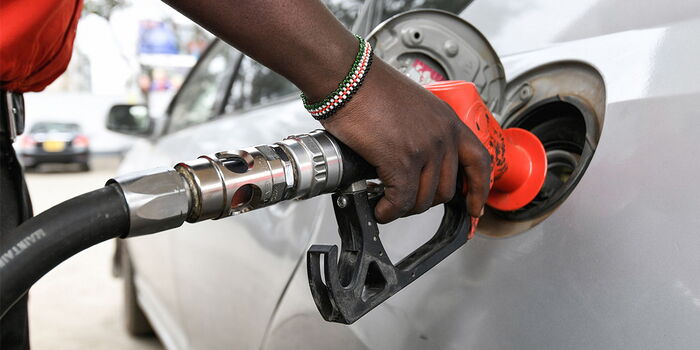
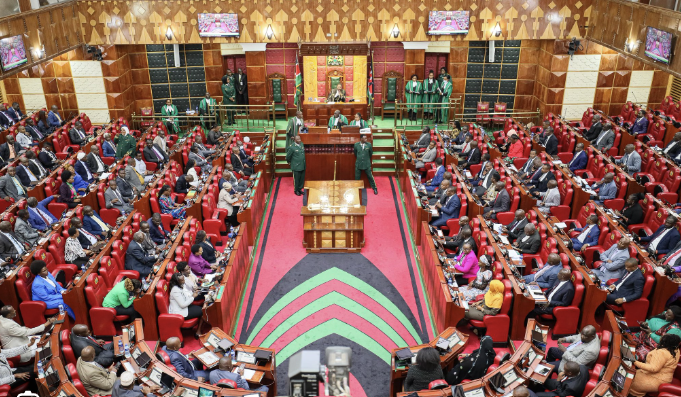
The National Assembly of Kenya has approved a full forensic audit to investigate fuel levy collections in a very urgent and unprecedented manner, due to financial mismanagement in the revenue and road sector agencies that may be involved.
The decision was made after the MPs voiced their concerns regarding the huge amount of money that was supposedly allocated to road maintenance and development but was not properly accounted for.
The audit, which was ordered last Tuesday, will examine the whole process of collecting and handling fuel levies starting from the Kenya Revenue Authority (KRA) and going through the Kenya Roads Board (KRB) and its payments to smaller road agencies.
The Parliament has called for forensic confirmation of the actual collections, disbursements, transfers, and existing balances to find out if the revenues generated from levies have been properly managed.
The controversy has been sparked by the revelations made in the Auditor-General Nancy Gathungu’s reports, which exposed significant deficiencies in the accounting of the Road Maintenance Levy Fund (RMLF).
The audit office reported that there were 5.53 billion shillings in receivables from non-exchange transactions and that the Kenya Roads Board looked to be owing 5.08 billion shillings in grants to subordinate road agencies. These amounts have put the integrity of fuel levy allocations in doubt and have led to speculations about possible financial mismanagement.
During the committee session, the parliamentarians went so far as to say that the anomalies, which the auditors discovered, could indicate either a hundred accomplices or even an intentional diversion of funds that were meant for public infrastructure projects.
The lawmakers cautioned that if the forensic audit does not manifest very clear accountability and pathways for restitution, the entire fuel levy regime and its road development could lose their credibility.
The examination is taking place at a time when the country is having wider debates on the transparency of revenue and accountability of the state, with critics saying that the fuel levy securitization and accompanying financing strategies have been poorly monitored. Public discontent has been growing over higher fuel prices being synonymous with delays in the construction of essential roads.
The government has so far kept silent regarding the parliament’s audit order. Despite this, analysts have cautioned that the results of this forensic study could either bring a total shake-up of public revenue system trust or outright parliamentary probes if the irregularities discovered are so huge.
Political and economic news cycles are likely to be dominated by this unfolding story in the next few days.



Leave a Reply