


The Kenyan parliamentary joint committee has temporarily approved the government plan to sell part of its Safaricom Plc shares, which are worth Sh204 billion, according to critics who warn that this transaction will result in permanent changes to ownership and control over the country’s most important telecommunications network.
The committee composed of Departmental Committee on Finance and National Planning members and Select Committee on Public Debt and Privatization members approved the government plan to sell a 15 percent stake in Safaricom to Vodacom Group because they wanted to wait for parliamentary discussion before making their decision.
The government plans to sell approximately six billion shares at Sh34 each, which will generate an estimated Sh204.3 billion in revenue. The transaction will generate total proceeds of approximately Sh245 billion because it includes an initial payment of about Sh40.2 billion, which replaces future dividends from the government’s 20 percent ownership stake.
The Treasury department requires immediate capital injection to support its national development initiatives, which need funding that does not require additional debt or tax increases because the government will allocate these funds to infrastructure and economic development projects.
The legal system, which lacks a method to protect these funds from being used for other purposes, has created strong opposition against the plan. Lawmakers questioned Treasury officials about the methods that will stop government spending from using the upcoming financial windfall.
The share pricing received criticism from various critics, who included both MPs and public commentators, because they considered it to be lower than Safaricom’s historical market value.
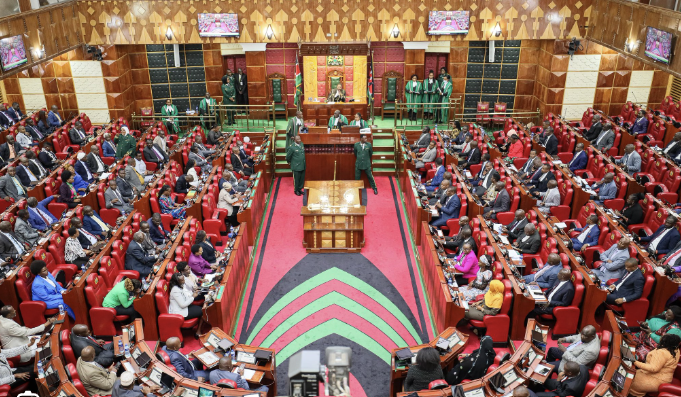
The parliamentary team endorsement establishes a vital milestone, but the proposed plan requires House debate and legal assessment and regulatory approvals to proceed. The proposed restructuring would allow Vodacom to gain greater control over Safaricom operations, which would raise new concerns about foreign ownership of Kenya’s essential national asset and start immediate national discussions about economic independence and resource control.











Leave a Reply