

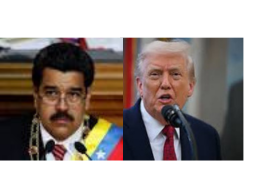
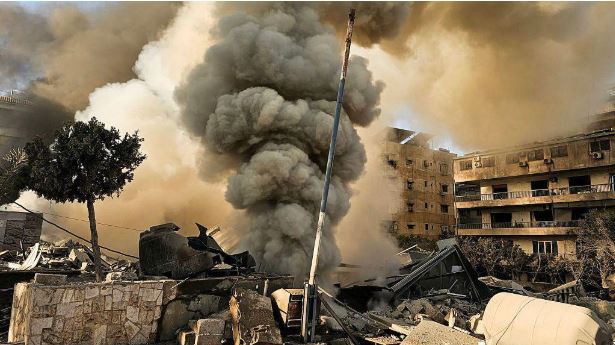
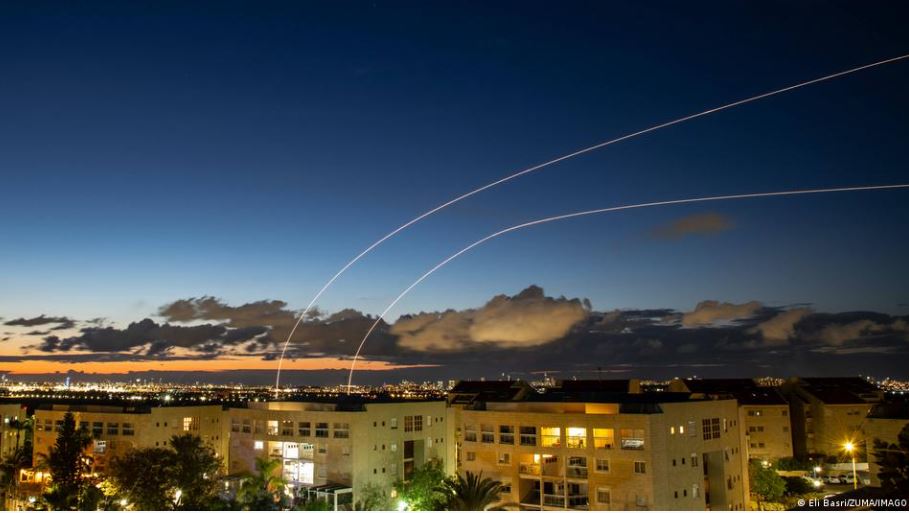
USA military strikes on Venezuelan targets unleashed global reactions that were quick to come in as well as a diplomatic firestorm and sharply divided responses from governments, regional blocs, and international organizations. The strikes that were meant to hit what the U.S. called “secure military installations tied to terrorism networks” have received both condemnation and cautious support, marking the presence of the deep geopolitical fault lines very clearly.
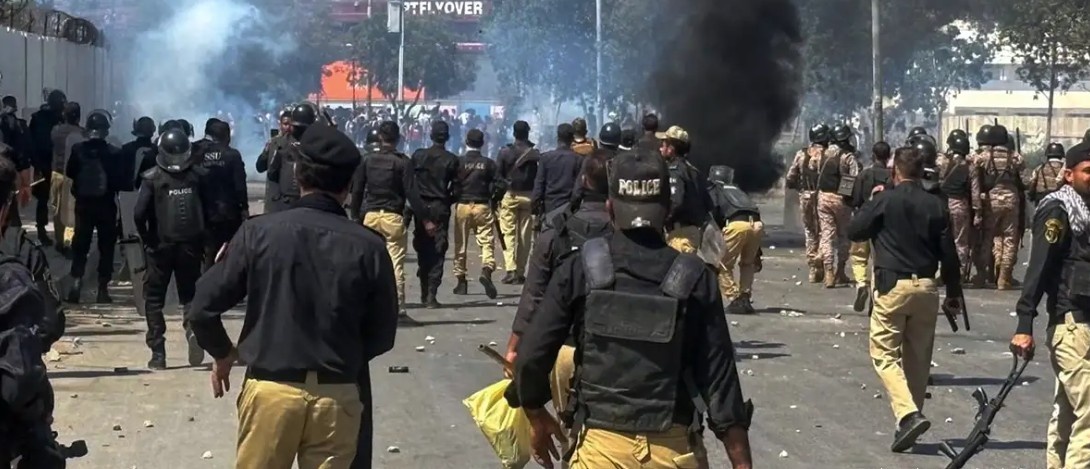
After just a few hours since the attacks, numerous Latin America countries condemned the act which they termed as unjustified aggression and a violation of Venezuelan sovereignty. The leaders of these nations, who historically have been very critical of the role that U.S. plays in their region, are arguing that military intervention will only escalate tensions in this already volatile region. Some states have proclaimed peace through diplomatic means as their topprince and have warned about the unilateral use of force and its consequences passing the door of danger.
On the other hand, some allies of the U.S. gave careful approval to Washington’s actions. The officials of Europe recognized the requirement to counter some security threats yet still maintaining that any military engagement should be part of the larger diplomatic process. Many of them supported the calls for justification that would be open and for observance of multilateral norms, which showed that they were nervous about the possibility of conflict spreading and the situation in the region becoming unstable.
There were also comments coming from the international organizations. A senior official from one of the global leading organizations expressed his urgent concern over the sufferings of the civilians as a result of the strikes and urged the power to stop the fight and all the involved parties to prioritize the humanitarian protection and avoid escalation of the already tense situation. The same with the human rights activists, who also gave a warning regarding the situation of the military operations in such populated areas as they could in fact lead to very serious civilian harm and thus aggravate the already existing problem of Venezuela crisis.
The Caribbean Community (CARICOM) and the Union of South American Nations (UNASUR), among others, vehemently criticized the actions and the importance of national autonomy and peaceful negotiations in dispute settlement. The controversial situation in these regional blocks drove some of the nations to propose emergency meetings for working out coordinated methods of response and for evaluating the influence of the situation on the security architecture of the region.
On the opposite side, foreign policy experts supporting Washington’s security claims reasoned that by getting rid of the militant groups that are deeply rooted, the long-term threats would be lessened both for the local and international interests. They were saying that military operations combined with diplomatic pressure would help to avoid a lengthy engagement while continuing to monitor and respond to new risks with the help of international partners.
The U.S. government gave a strong justification for its action by releasing the information that it had and claiming that there were connections between some Venezuelan people and the international extremist groups that were responsible for the attacks on American interests. The White House declared that the attacks had been preceded by a series of carefully conducted operations meant to protect civilians, although outside verification is still forthcoming.
The international community’s response to the incident will not change the fact that global markets and geopolitical analysts have already started to consider the possibility of changes in alliances, security measures, and human rights issues. The different reactions — from absolute rejection to cautious approval — are a reflection of the differences in the way international actors view the use of force, the concept of sovereignty and the interplay of security and diplomatic in a globally connected world.
International Voices Clash Over US Strikes on Venezuela






Leave a Reply