

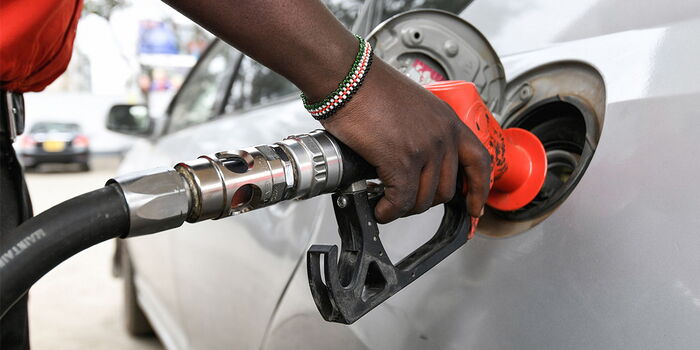
The National Treasury has activated the Petroleum Development Levy (PDL) for emergency funding after they declared the fund their last resource to protect against upcoming fuel price increases.
Internal sources confirm that the state is now using the levy—originally intended for infrastructure and long-term strategic reserves—as an emergency coolant to absorb the heat of skyrocketing global crude costs. The Energy and Petroleum Regulatory Authority (EPRA) must announce its upcoming pricing cycle increase because the current Middle East geopolitical crisis has created pressure.
The “twisted” reality of this fiscal maneuver has created a “stabilization trap,” which the government needs to escape. The government has used PDL funds for its current needs, which means it will lose all its future capabilities.
The ongoing Iran-Israel conflict will block essential shipping routes, which include the Strait of Hormuz, so there will be no fiscal resources to support operations during the second half of the year. The Kenyan consumer faces a dangerous temporary solution that economists describe as a “stay of execution” that will not provide lasting benefits.
The Treasury’s decision to pivot back to a de facto subsidy model shows that officials believe civil unrest will occur again. The Kenyan shilling would experience a sharp value decrease if fuel prices increased immediately because its current value remains unstable, and this would create a new wave of economic instability that would affect both the transportation and manufacturing industries.









Leave a Reply