


Kenya’s top electoral body, the Independent Electoral and Boundaries Commission (IEBC), has confirmed that it will not conduct a full review of constituency and ward boundaries before the August 2027 General Election, a decision that could dramatically alter the election landscape and trigger intense political fallout.
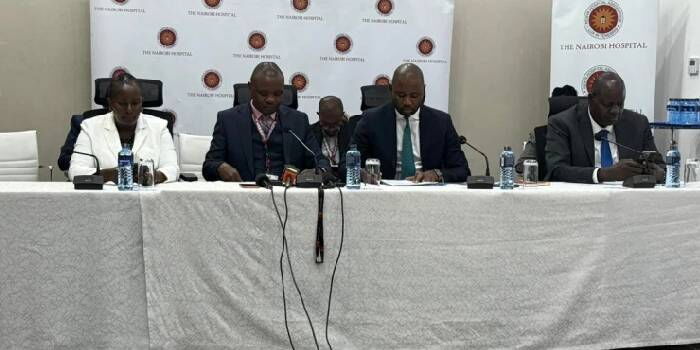
In a tense briefing from Nairobi on January 27, 2026, IEBC Chairperson Erastus Ethekon announced that the Commission has opted for a phased approach to boundary review rather than completing the comprehensive delimitation process required by the Constitution. The move comes amid tight deadlines, ongoing court battles over census data validity, and mounting pressure to accelerate election preparations.
Ethekon explained that the Commission is legally constrained, noting that a full delimitation exercise typically takes up to two years and must be completed at least 12 months before a general election to take effect. With the 2027 polls less than 18 months away, IEBC has acknowledged it simply cannot finish a full boundary review without compromising the election timetable.
The phased plan will prioritize preparatory activities, such as mapping, geographic data verification, capacity building, and technical upgrades, while postponing substantive changes to names and boundaries until after the 2027 polls. This means no changes to constituency or ward boundaries will apply in next year’s election, even as population shifts and urban growth continue to reshape local demographics.
Legal disputes over the 2019 Kenya Population and Housing Census have further stalled progress, as the IEBC cannot legally anchor boundary changes without finalized and validated population data, particularly in areas where court rulings have invalidated earlier census figures.
Public expectations for new constituencies and expanded wards have already collided with constitutional limits: Article 89(1) caps the number of constituencies at 290, meaning the Commission cannot increase this figure regardless of population pressures.
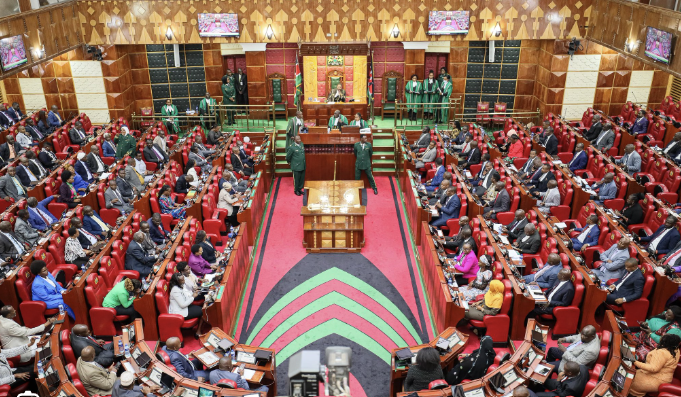
The decision is poised to spark urgent debates in Parliament, with critics warning that postponing full delimitation may undermine equitable representation and fuel legal challenges aimed at halting the 2027 election until boundaries are reviewed.
As Kenya braces for a high‑stakes election year, the IEBC’s phased approach has thrust the issue of electoral fairness and constitutional compliance into the national spotlight.





Leave a Reply