

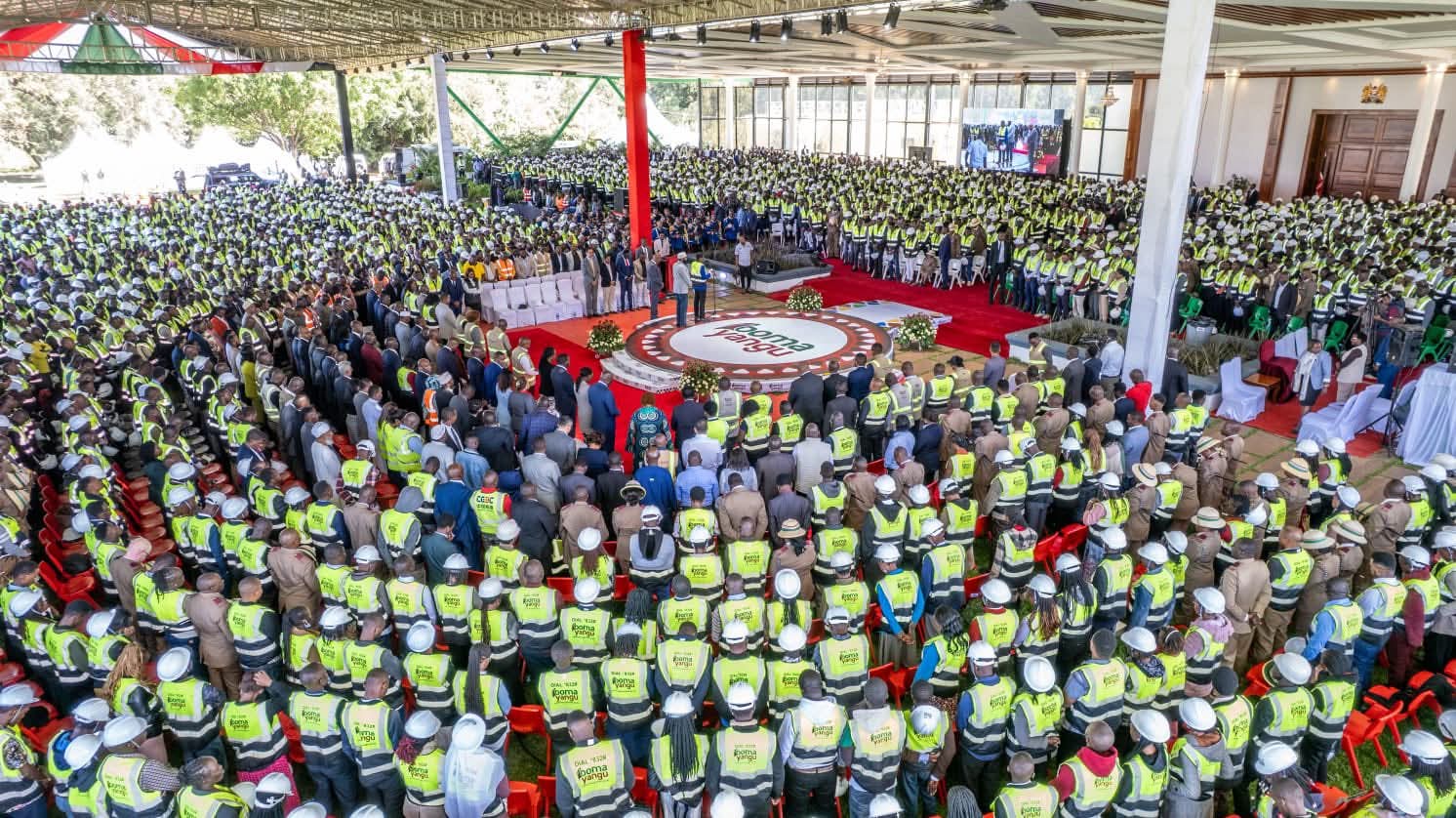
The High Court in Nairobi experienced a constitutional crisis when a lawyer submitted an emergency lawsuit that requested a prohibition on political parties conducting their activities at State House and its lodges due to its alleged violation of constitutional laws and its resultant benefit to the ruling political party.
The petition, lodged in the Constitutional and Human Rights Division, was filed by advocate Lempaa Suyianka, who wants the court to declare the use of State House facilities for political party activities unconstitutional and issue permanent orders preventing all parties from accessing the premises for political functions.
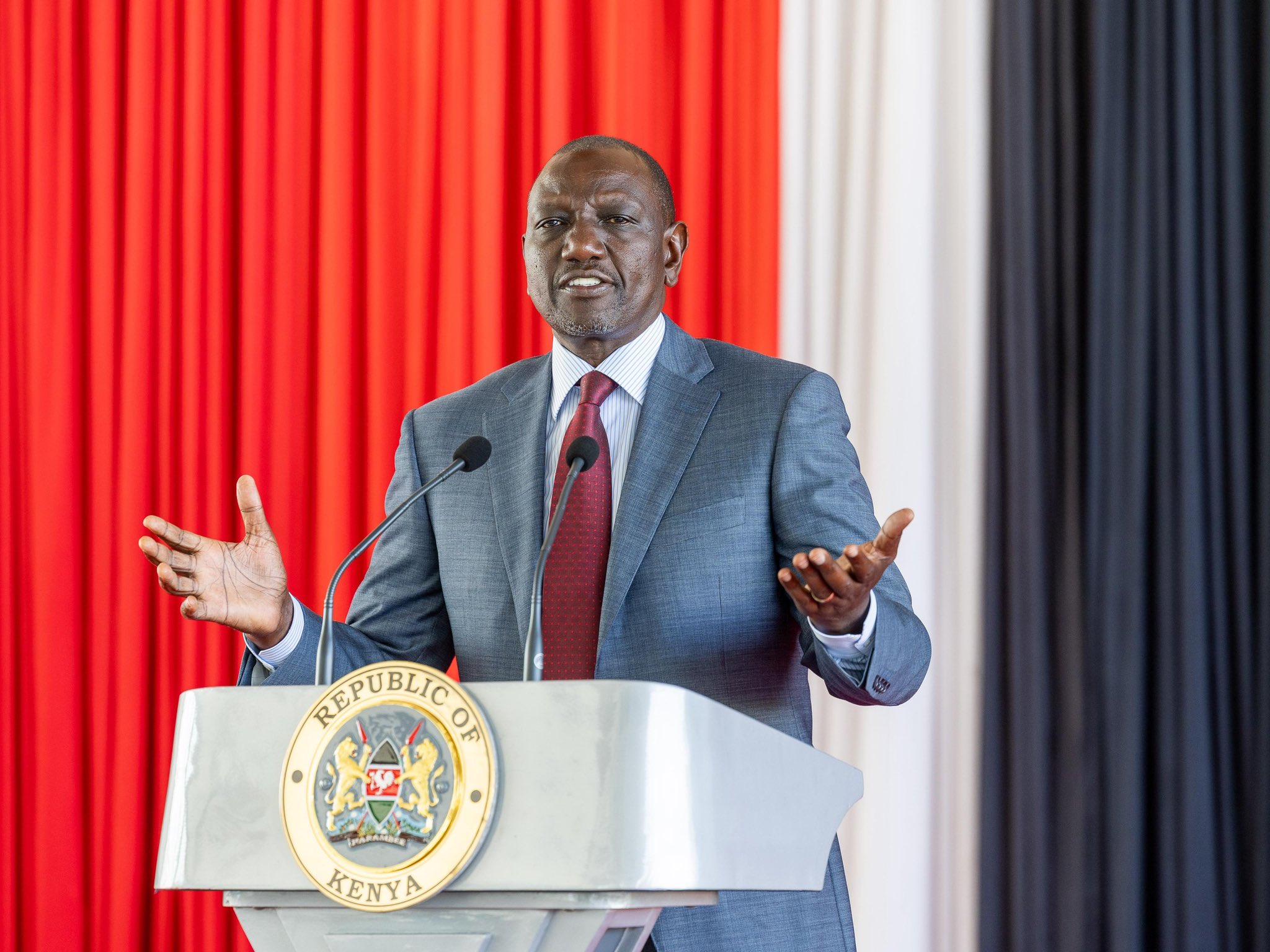
Suyianka has named the **Attorney General, President William Ruto in his official capacity, the Comptroller of State House, and the United Democratic Alliance (UDA) as respondents in the case. He contends that State House, funded by taxpayers and maintained through public resources approved by Parliament, is being used to host political gatherings that are not government business.
The lawyer presented court documents that showed that State House and State Lodges hosted various events from April 2025 to February 2026, which included both internal party meetings and a UDA aspirants’ forum that drew more than 1000 attendees, demonstrating that these locations had become partisan operation centers. He argues these were neither official state duties nor national engagements, but political acts benefiting a single party.
Suyianka has demanded that the High Court compel UDA to refund the government for all expenses incurred during political activities held on State House grounds and requires the Comptroller of State House to publish a full accounting of public expenditure associated with the events.
The petition shows three constitutional principles that establish a boundary between state functions and political party activities, that require officials to account for their usage of public resources, and that ensure fairness in political contests. Critics of the practice argue that hosting political meetings at the official residence of the head of state entrenches incumbency advantage and blurs legal distinctions between government functions and party politics.
The High Court has not yet set a date to hear the petition. Legal observers say the case could redefine the legal boundaries governing the use of national institutions during political campaigns and may establish a new limit for state resources that political parties can use during electoral periods.










Leave a Reply