

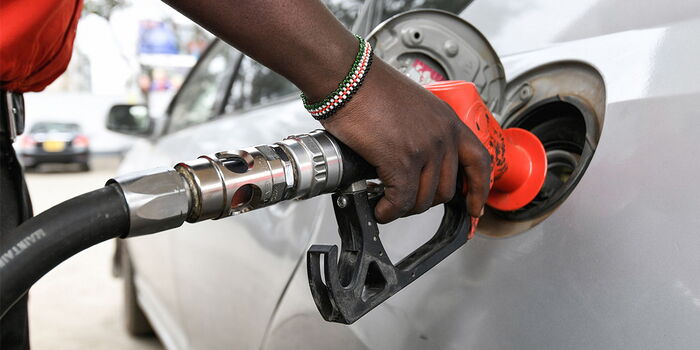
The global energy market has reached a critical breaking point because oil prices increased for three consecutive days after people recognized that the US-Israel conflict with Iran had become irreversible. The world financial system faces imminent destruction because both Brent crude and WTI prices keep rising while the “war premium” remains active without showing any signs of decline.
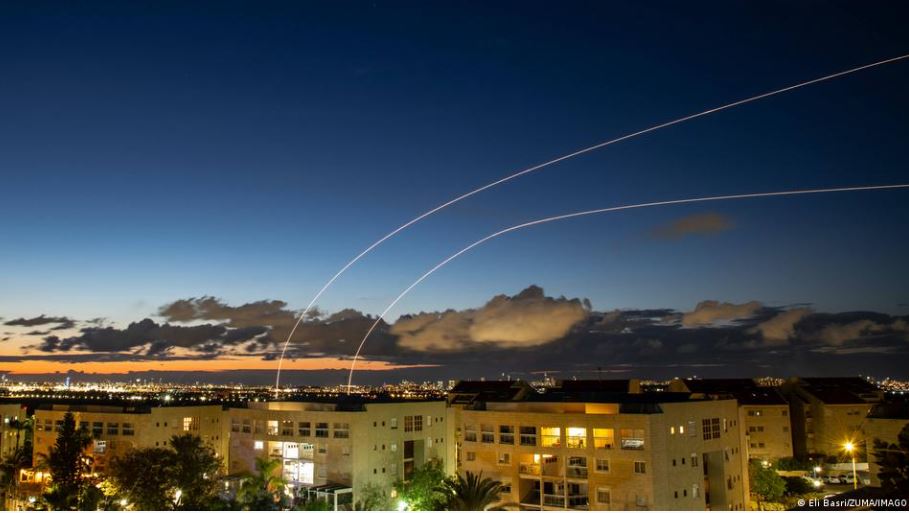
The current situation has developed beyond a minor market correction because it has transformed into an economic hemorrhage. The world must fight a conflict that Middle Eastern countries started without any decision made by their citizens. Every missile launched over the Persian Gulf functions as a tax that the global working class must pay, with gas stations becoming invisible points of regional destruction collection.
Military analysts believe that the rising tensions between Washington, Tel Aviv, and Tehran have created a situation where the Strait of Hormuz, which serves as the world’s most crucial energy route, faces imminent total blockage. The “energy apocalypse,” which will follow the maritime chokehold severance, will make current price increases appear cheap.
Investors are now pricing in a “worst-case scenario” where retaliatory strikes on Iranian oil infrastructure lead to a permanent supply vacuum. The market reacts to actual physical limitations, which drive scarcity, while politicians talk about “strategic interests.” The third day of price increases signals a loss of faith in diplomatic de-escalation.
The message to the world is clear: as long as the skies over the Middle East remain filled with drones, your cost of living will continue to bleed. The “Conflict Barrel” has emerged as a new system that determines crude prices through upcoming explosion locations instead of traditional supply and demand mechanisms. The world will experience a permanent transformation because energy resources will become the primary tool for conducting economic warfare.






Leave a Reply