
 Wamuzi News Ke
Nick Wambugu, a veteran videographer who was mainly recognized for his involvement in the prominent BBC documentary Blood Parliament, passed away after enduring a long fight against a rare and painful blood disorder, which has caught off guard not only the Kenyan media but also the creative industries.
The information was made public on Wednesday, January 7, by his attorney, Ian Mutiso, which was a calamity that marked the end of the career of a director who was a beacon of perseverance and criticism against corruption.
Wambugu was only 34 years old, and his disease was Hypocellular Myelodysplastic Syndrome (MDS), which means his bone marrow couldn’t function, which resulted in very few healthy blood cells being produced.
During the last few months of his life, he was very vocal and even did a public fundraising for the Ksh9 million bone marrow transplant, which was scheduled to take place on January 10, but unfortunately, he died before that.
Wambugu used to say, “For most of my life, I’ve used my camera to tell stories of courage—people who rise again after life tries to break them,” in one of his last public posts on social media. This shows how dedicated he was to storytelling despite the battle he was fighting for his own life.
Wambugu got the limelight in 2025 when the controversy surrounding the Blood Parliament documentary, produced by BBC Africa Eye, broke out. The film captured police brutality against protesters in the vicinity of Parliament during the June 2024 demonstrations against the anti-Finance Bill, which caused a lot of discussions and examination of the issue.
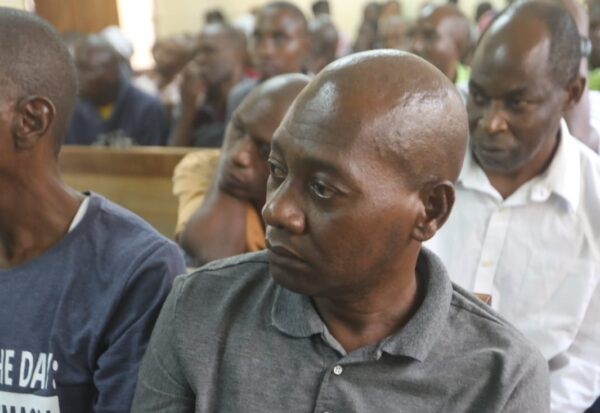
Just a few weeks after the release of the film, Wambugu and three other filmmakers were detained due to the documentary’s involvement, creating a situation where press freedom was questioned and thus leading to a media rights issue.
Eventually, his legal representatives contended that the government had put spyware on his phone while he was in jail, and this accusation attracted the attention of civil rights organizations and raised the question of the treatment of freelance reporters in Kenya.
The flow of tributes is being witnessed from various sectors of the creative, journalism, and activist communities, with a considerable number of people praising Wambugu’s courage, resilience, and the impact of his storytelling.
They confess he was a man who would not give up on the story. Activist Hanifa Adan regarded his death as “very tragic,” stressing that his works and the memory of his legacy would be kept alive.
The passing of Wambugu has been a great setback not only to the documentary filmmaking sector in Kenya but also to the whole society and voice of filmmakers. The incident has sparked a renewal of concerns over the perplexing case of media freedom, political issues, and accountability of the public.
His work in the area of investigative storytelling has been among the most prominent and has even challenged such situations as the need to be quiet for the sake of peace or the truth in journalism.