

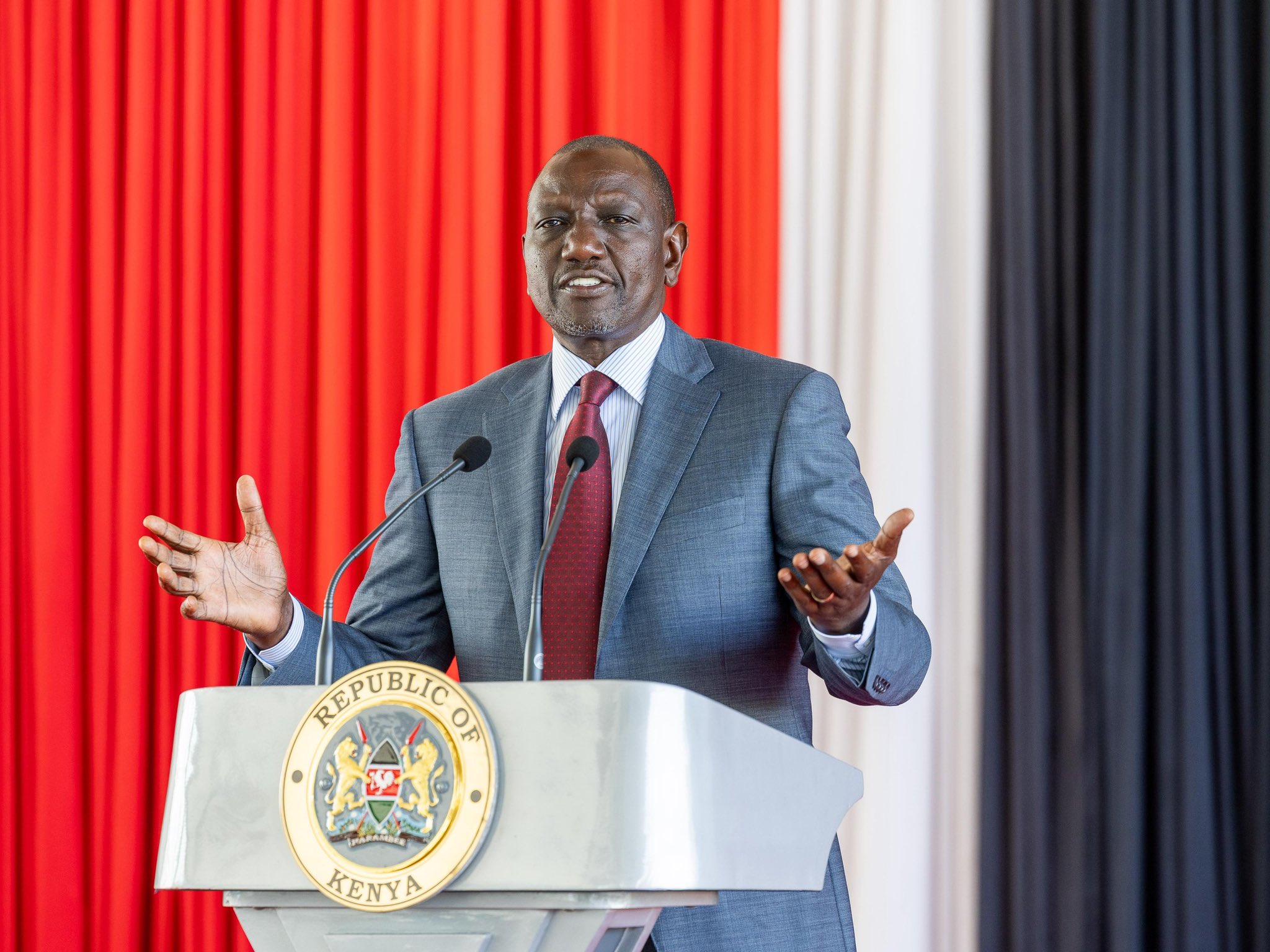
President William Ruto has established an unprecedented new relationship between private business activities and government control through his current official operations at Nairobi Hospital, which legal experts describe as “emergency clinical intervention.”
The government aims to remove a board disturbance, which has been present at the hospital, from its operating system because authorities now think that hospital administration failures pose actual risks to national security.
The current situation that exists within private sector operations shows that companies have such poor governance practices that they need presidential intervention to handle their business conflicts. Ruto’s mediation of executive conflicts at the hospital gave him control over hospital operations because he reached a stability agreement between competing executive teams.
The institution maintains its private status according to legal documents, but political authorities now oversee its main operational activities.
A total systemic breakdown has created an urgent situation. The hospital system faced imminent operational collapse because KMPDU prepared to strike while criminal cases against hospital leadership continued to increase. Ruto’s peace efforts serve two functions because he wants to stop conflicts that would result in the death of Nairobi’s vital healthcare center, which would destroy public trust in the entire private medical system.
The new government-backed governance system, which is currently developing, delivers a warning to Kenya’s business leaders that their boardroom management will be handled by the executive if they fail to control their own operations.
The Nairobi Hospital has transformed from a medical facility into a testing site for revolutionary government-controlled business administration methods. The “white coat” war has ended with a political surrender, and the price of stability may be the permanent loss of institutional independence. The president has picked up the scalpel, and the board has been moved to the operating table.












Leave a Reply